Ride On: Practical, Compassionate Advice for Riding Rain, Cold, Trips and Big Goals
# Ride On: Practical, Compassionate Advice for Riding Rain, Cold, Trips and Big Goals
Starting (or restarting) cycling is energizing — and a little intimidating. Between soggy commutes, chilly winter mornings, planning a flat European getaway, and thinking about racing an iconic event like L’Étape du Tour, it’s easy to feel overwhelmed. Below is a friendly, evidence-informed playbook to help you decide when to ride, what gear to invest in, how to train safely, and where to find trustworthy route info.
## Should you ride in the rain?
Short answer: yes — if you plan for it.
The science: Rain affects traction, braking distance and visibility. Water reduces the coefficient of friction between tire and pavement; thin films on painted lines or metal surfaces are particularly slippery. Wet brakes (rim or disc) also need more time and modulation to arrest speed.
Practical checklist before you leave:
– Visibility first: bright, reflective layers plus a strong white front light and red rear light make you easier to see. Wet roads mean motorists’ stopping distances are different — be extra conspicuous.
– Tires and pressure: choose wider tires when possible and drop pressure slightly (10–20%) to increase the contact patch and grip. Consider tires with better wet-road performance.
– Braking technique: brake earlier and more gently. Squeeze, don’t grab — roll pressure on then off to avoid skidding.
– Hazard avoidance: painted lines, metal grates, manhole covers and tram tracks get slick. Slow down, approach straight on, and keep weight centered.
– Fenders: small investment, big payoff — they keep you drier and save your drivetrain from grit.
– Post-ride maintenance: rinse grit from the drivetrain, dry the chain, relube, and wipe brake pads and rotors if needed.
New riders: start with short, familiar routes to build wet-weather confidence.
## Winter riding — is it worth the money?
If you plan to ride through the season, yes — dressing well makes outdoor riding enjoyable and sustainable.
What to prioritize:
– Jacket: breathable, windproof and water-resistant. Look for vents you can open during effort to prevent sweat chill.
– Feet: cold feet kill a ride. Insulated overshoes or winter cycling shoes are worth it; thin liners won’t replace real insulation.
– Layering: moisture-wicking base, insulating mid-layer, waterproof shell. Adjust as intensity changes.
– Small comforts: thermal socks, bar mitts, a thin balaclava under your helmet — these add hours of comfortable riding.
If you prefer consistency over commuting outdoors, a turbo trainer keeps fitness on track. But if the mental lift from fresh-air rides gets you moving, gear pays for itself in motivation.
## Planning a flat European cycling getaway
Want base-camp day rides with minimal climbing? Northern Europe is ideal.
Where to look: Denmark, the Netherlands and northern Germany have long, flat bike paths and great infrastructure.
How to plan:
– Base near multiple route options to loop back easily.
– Prioritize paved cycle paths for easy, predictable surfaces.
– Use Komoot, RideWithGPS and Strava heatmaps to find popular lines. Google Maps’ cycling layer gives quick overviews.
– Local tourism sites and clubs often publish tried-and-true day loops and cafes.
– Pack a small toolkit and a backup route. Know nearby train links in case of weather or fatigue.
## Preparing your body — coming back after a long break
Feeling like you ‘got hit by a car’ after your first ride back is common. Here’s what’s happening and how to be smarter about it.
The science: Cardiovascular fitness and neuromuscular coordination drop surprisingly fast. Muscles unaccustomed to repetitive cycling contractions fatigue quickly and produce extra soreness. Breath control also matters — breath-holding or panicked breathing increases perceived effort.
A practical, safe approach:
– Build volume gradually: aim to increase total weekly ride time by about 10% each week.
– Frequency over duration: short, regular rides (30–60 minutes) beat one long outing.
– Warm up: 10–15 minutes of easy spinning to increase blood flow and reduce injury risk.
– Cadence: target 70–90 RPM. Higher cadence reduces muscular strain and spreads the work to the cardiovascular system.
– Hydration and fueling: have a small carb snack before rides longer than 45 minutes and practice mid-ride fueling during training.
– Breathing cue: inhale through the nose and mouth rhythmically on easy efforts, and focus on steady exhalations during climbs or intervals to avoid breath-holding.
– Recovery: expect soreness for a few rides; include easy days, walks and twice-weekly strength sessions.
## Easy strength work you can do twice a week
Strength training reduces injury risk and improves climbing power. Keep sessions short (20–40 minutes) and focused on form.
Sample mini-routine (3 sets each):
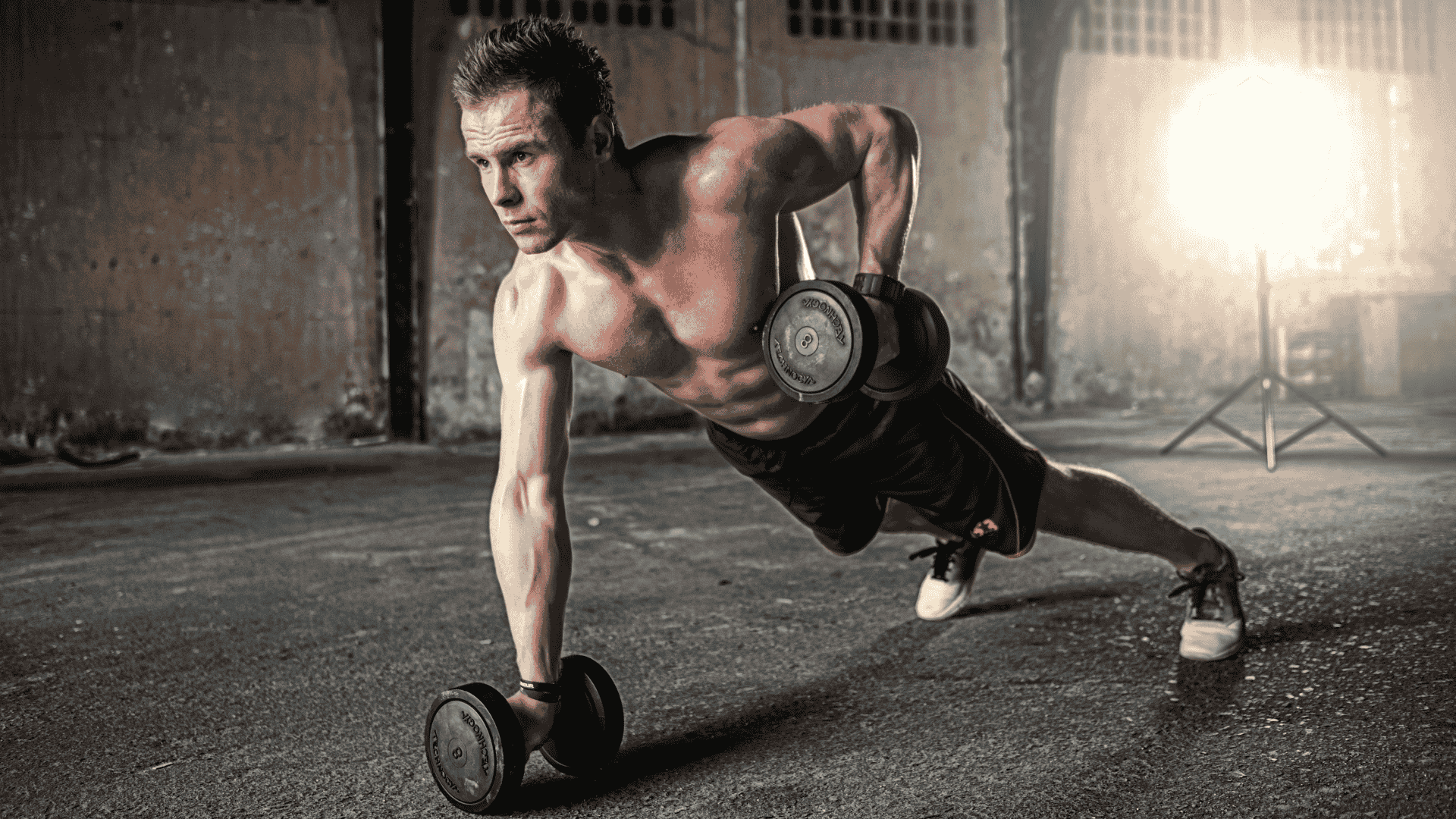
– Goblet squat — 8–12 reps. Cue: chest up, knees tracking toes, sit back as if onto a chair.
– Romanian deadlift (light) — 8–10 reps. Cue: hinge at hips, neutral spine, feel hamstring tension.
– Single-leg glute bridge — 8–10 reps per leg. Cue: hips level, drive through heel.
– Plank — 30–60 seconds. Cue: ribs down, neutral neck, squeeze glutes.
– Band pull-aparts — 12–15 reps for upper-back strength and posture.
Common mistakes: lifting too heavy, letting form slip, and neglecting the non-dominant side. Start conservative and progress when you can complete reps with perfect form.
## Training for an event like L’Étape (8 months plan)
A realistic timeline:
– Base (3–4 months): steady aerobic rides, one progressively longer ride per week.
– Build (2–3 months): add intervals, tempo efforts and longer climbs to raise threshold.
– Specific prep (4–6 weeks): replicate event distance, pacing and nutrition.
– Taper: reduce volume in the final 7–14 days to arrive rested.
Other keys: practice your race-day nutrition on training rides, dial in bike fit early, and use simulated rides to test pacing. Accept that finishing is a win — aim for consistency, not perfection.
## Takeaway
Cycling adapts to your life: use the right gear, plan realistically, and be kind to the process. Small investments (fenders, a winter jacket, a simple strength program) compound into more comfortable, frequent rides. Build gradually, practice fueling and breathing, and celebrate the small wins — every ride is progress.
Which one small change will you commit to this week — a short rainy ride with visibility gear, a 20-minute strength session, or a planned comeback ride following the 10% rule?