Rain, Cold, Tours and First Rides: A Friendly Playbook for Year‑Round Cycling
# Rain, Cold, Tours and First Rides: A Friendly Playbook for Year‑Round Cycling
_By Jake Morrison — Vitality Chronicles_
You’re not alone if your cycling questions run the gamut — should I ride in the rain? Is winter gear worth it? How do I plan a gentle European bike holiday? Or how do I train for a big event after a long break? Whether you’re brand new, returning after years off, or eyeing L’Étape, this playbook blends the science, practical how‑to’s and motivation so you ride smarter, safer and more often.
## Why this matters (quick science primer)
– Adaptation is gradual: fitness gains come from consistent stress + recovery. Short, frequent sessions add up more reliably than sporadic epic rides.
– Wet roads and cold change the variables: traction, heat loss and mechanical wear all behave differently — understanding the physics (less friction, faster heat loss) helps you make sensible choices.
– Specificity wins: train like your goal. If your event is hilly, do hills; if it’s long and steady, build duration.
Now let’s translate that into real, usable tips.
## Ride in the rain — yes, but with a checklist
Riding in the rain is doable and often freeing. Focus on visibility, traction and bike care.
– Visibility: Use a bright steady front light and a flashing rear light even daytime. Wear high‑contrast or reflective layers so drivers spot you sooner.
– Traction & braking: Wet surfaces reduce tyre grip. Brake earlier and more gently — discs and rims both take longer to bite. Avoid painted lines, metal surfaces and fresh tarmac. Think: slow down before risky sections, keep your weight balanced and smooth inputs.
– Tyres & pressure: Wider tyres and slightly lower pressures increase the contact patch and improve grip. If you ride a little slower in town, drop 3–8 psi from your usual road pressure as a starting point and experiment.
– Fenders & eyewear: Full‑coverage mudguards keep you and your drivetrain cleaner. Clear or yellow lenses protect eyes and improve contrast in grey light.
– Post‑ride care: Rinse grit, clean the drivetrain, check brake pads, and re‑lubricate the chain to prevent corrosion and premature wear.
Small kit choices (overshoes, quick‑dry socks, waterproof booties) make rainy rides tolerable instead of miserable.
## Winter riding — buy smart, or stay inside
Decide based on frequency: if you’ll ride outside multiple times a week, invest in winter shoes or insulated boots. If not, a good shell plus overshoes is often enough.
– Layering rule: base (moisture‑wicking), mid (insulation), shell (windproof + waterproof). Avoid cotton.
– Protect extremities: warm hands and feet matter most for comfort and control. Lobster mitts or insulated gloves and thermal socks or neoprene booties help.
– Trainer alternative: a smart turbo is a great way to maintain consistency without risking icy roads. Combine short indoor intervals with outdoor endurance rides when the weather is safe.
## Planning a flat, relaxed European bike trip
Want base‑camp day rides with minimal hills and your dog welcomed at the rental? Look north and west.
– Destinations: Denmark, the Netherlands (Zeeland, Friesland), and northern Germany offer extensive flat, bike‑friendly infrastructure.
– Tools: Komoot, RideWithGPS and Strava for routes and elevation. Google Maps cycling layer and EuroVelo corridors for signposted routes.
– Local intel: contact tourist offices, regional cycling groups or Facebook communities for pet‑friendly accommodation options and local route tips.
– Logistics: Choose a central base near multiple trail networks, confirm pet policies, and identify nearby bike shops before you arrive.
## Getting back on the bike after a long break — a compassionate plan
That first ride in a decade can feel spectacular and brutal. Rapid fatigue, muscle burn or lightheadedness are usually deconditioning, not disaster. Be cautious and kind to yourself.
– Build gradually: aim to increase time or intensity by 10–20% per week. Short, frequent rides beat occasional mega‑rides.
– Warm up & cool down: 5–15 minutes of easy spinning before and after helps prevent shock to your system.
– Cadence & gearing: spin a bit faster in an easier gear (target 80–95 rpm) rather than grinding low cadence. Easier on muscles and heart rate.
– Hydration & breathing: sip fluids, breathe rhythmically and avoid all‑out efforts early on. If you feel severe dizziness, chest pain or prolonged symptoms, seek medical advice.
– Strength & cross‑training: short strength sessions 2×/week for glutes, core and posterior chain reduce injury risk and make pedaling easier.
### Quick strength moves (form, reps, modifications)
– Glute bridge: lie on your back, feet hip‑width, drive hips up squeezing glutes. 2–3 sets of 8–15 reps. Modify by reducing range or doing single‑leg bridges.
– Single‑leg Romanian deadlift (RDL): hinge at hips keeping a flat back, lower a weight or hand toward the ground while standing leg stays soft. 2–3 sets of 6–10 reps per side. Use bodyweight or hold a light kettlebell if balance is a challenge.
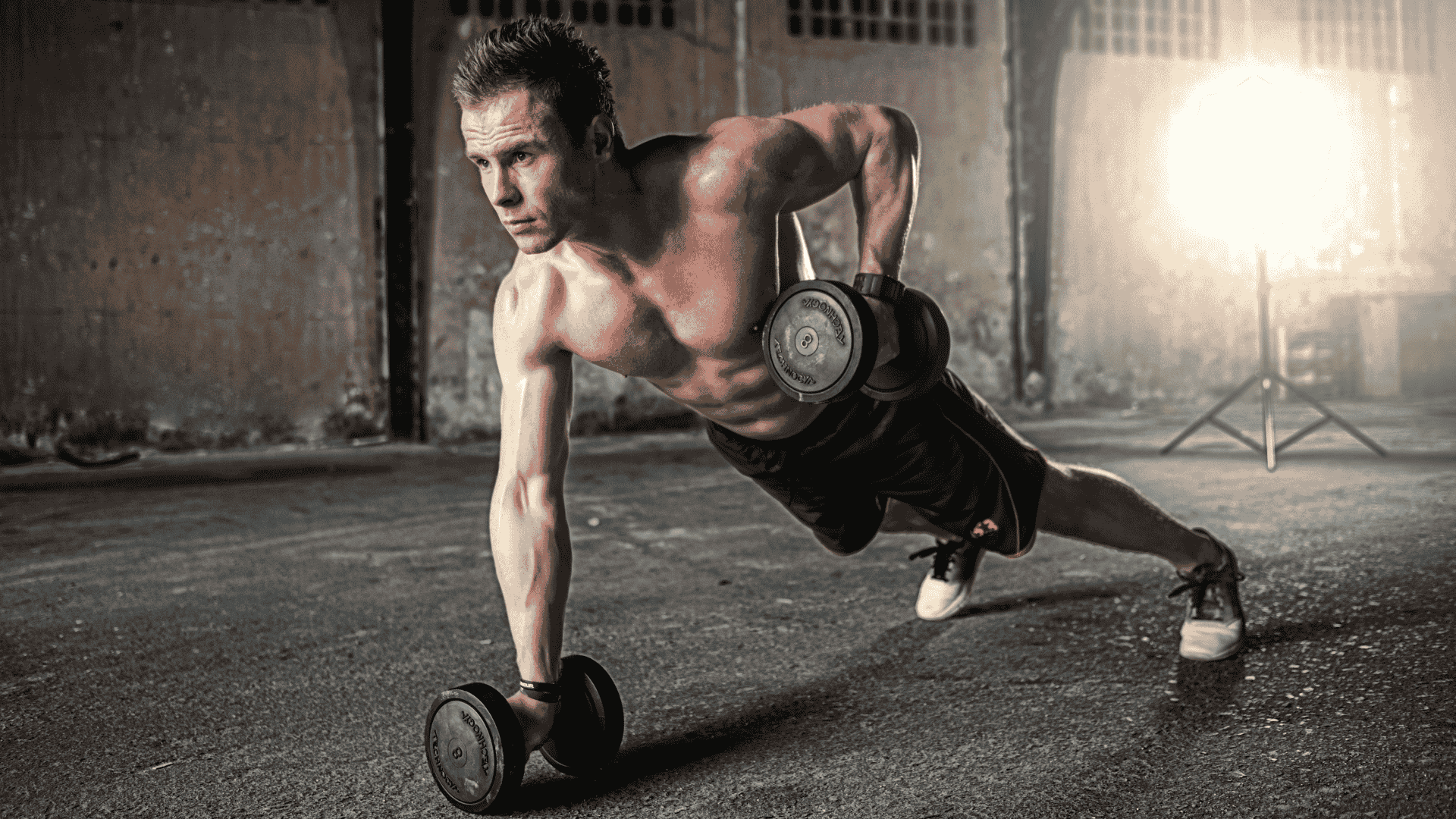
– Plank: maintain a straight line from head to heels, avoid sagging hips. Start with 20–40 seconds and build. Modify by dropping to knees.
Form cues: move from the hips not the back, keep shoulders relaxed, and breathe.
## Training for a big event like L’Étape (8 months plan)
– Phase 1 — Base (8–12 weeks): build consistent aerobic minutes — one longer steady ride and two shorter rides weekly.
– Phase 2 — Build (8–12 weeks): add tempo rides, short intervals (e.g., 3×8 minutes at moderate hard effort) and hill repeats if needed.
– Phase 3 — Specificity (6–8 weeks): race‑pace simulations, nutrition practice and a couple of long rides mimicking the event day.
– Recovery: include lighter weeks, two strength sessions weekly, sleep and nutrition focus.
– Logistics practice: ride with the clothing, shoes, bottles and food you plan to use on the day.
## Common mistakes & easy fixes
– Mistake: Doing all hard sessions and no base — Fix: prioritize steady aerobic volume first.
– Mistake: Wearing too many layers and overheating — Fix: dress for the first 20 minutes and open layers as you warm.
– Mistake: Ignoring bike maintenance after wet rides — Fix: 10–20 minutes of cleaning and lube keeps your bike reliable.
## Motivation — keep it simple and kind
Small, consistent actions win. A 20‑minute turbo, a single strength session, or swapping in mudguards for your commute are wins. Track the habits you actually enjoy — not the ones you feel you should do. Celebrate consistency: three weeks of small wins is better than one month of extremes.
Takeaway: prioritize safety in wet and cold conditions, be strategic with purchases, research routes and local resources, and build fitness progressively after time off. Small, consistent steps — and compassion for where you are now — will get you to the fun part: more days on the bike, fewer worries, and a healthier, happier you.
What one small change will you try this week — a short strength session, a rainy‑day commuter setup, or a 30‑minute easy ride to kickstart a consistent habit?