

Fast Forward: A Practical, Compassionate Guide to Fasting, Community, and Consistent Progress
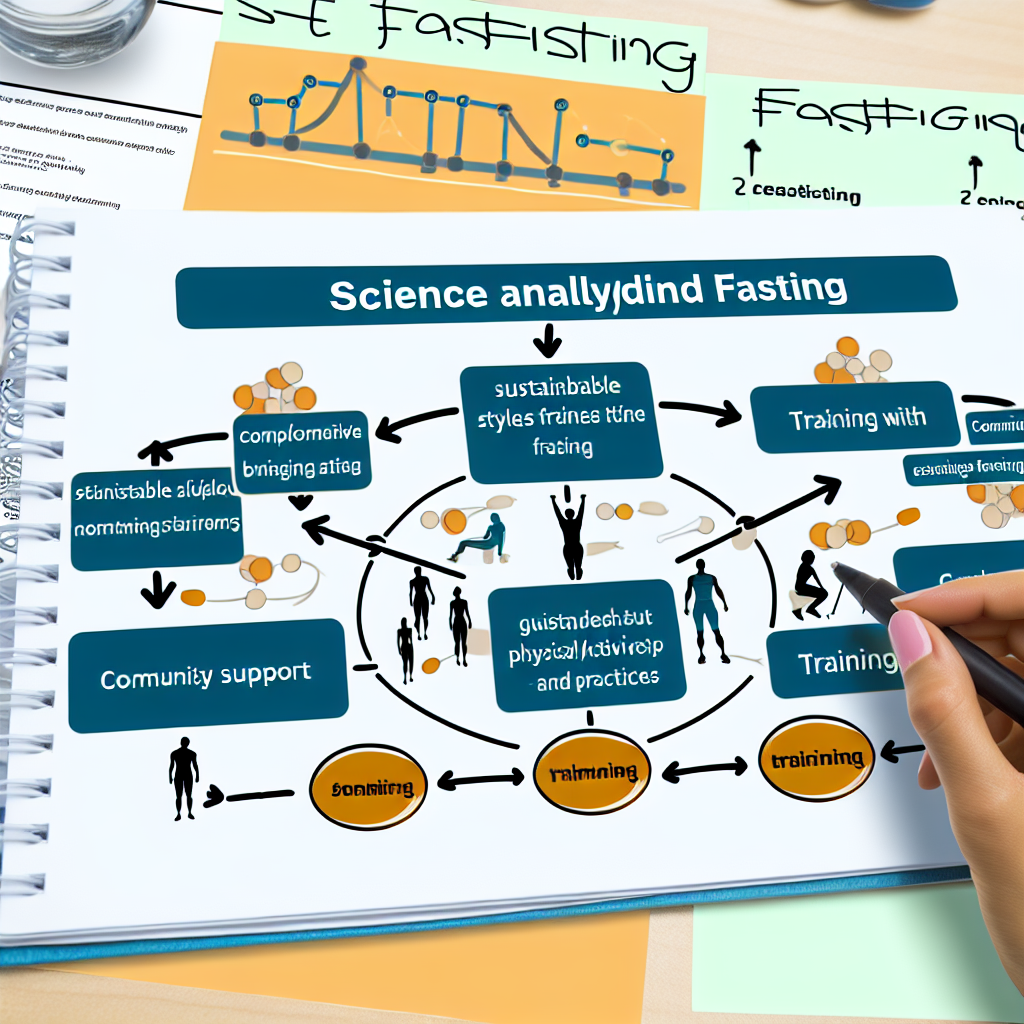
# Fast Forward: A Practical, Compassionate Guide to Fasting, Community, and Consistent Progress
If youve been curious about intermittent fasting or already practicing it, youre not alone. People try fasting for a dozen reasons—weight loss, clearer thinking, or simply to simplify eating. But the difference between a flash-in-the-pan experiment and a sustainable habit usually comes down to realistic rules, the right community support, and a focus on long-term consistency.
I’m Jake Morrison, and in this Vitality Chronicles installment we’ll break down the science, practical applications, and motivational strategies that help everyday people make fasting work alongside sensible strength training and lifestyle habits. Think less “all or nothing” and more “small wins stacked over weeks.” Ready? Let’s go.
## The science, made practical
At its core, fasting reorganizes when you eat, which often reduces total calories without the grind of constant calorie counting. Two physiological points to keep in mind:
– Insulin sensitivity and metabolic flexibility: Regular fasting windows can improve how your body handles glucose for some people. That can mean fewer blood sugar spikes and steadier energy.
– Cellular processes: Extended fasts trigger cellular pathways (sometimes called autophagy) that help clear damaged components, but most of the robust evidence comes from animal studies or medically supervised protocols, so treat those claims with nuance.
Still, the big rule doesnt change: calories in vs calories out (CICO) is the main driver of fat loss. Fasting is simply a tool that can make staying in a sustainable deficit easier for many people.
Safety note: If youre pregnant, breastfeeding, diabetic, on medication that affects blood sugar, or have a history of disordered eating, talk with your clinician before changing your eating pattern.
## Pick a fasting style that matches your life
No single fasting protocol is superior for everyone. Here are common patterns and who they suit:
– Time-Restricted Feeding (12–16 hours): Great for beginners and those with busy family or work schedules. Example: stop eating at 8pm, resume at 8am.
– 8–10 Hour Eating Window (intermediate): Often used by people who want clearer focus in the morning and a social dinner in the evening.
– OMAD (One Meal A Day): Works for people who thrive with a single evening meal and minimal decision fatigue. Not for everyone—requires planning to meet protein and nutrient needs.
– Alternate-day or multi-day fasts: Potentially useful for experienced fasters but require planning and medical guidance.
If youre new, start with a consistent 12–14 hour fast. It teaches structure without shocking your system.
## Practical habits to make fasting stick
– Use zero-calorie beverages strategically: plain water, sparkling water, black coffee, and unsweetened tea generally wont break a fast. Monitor artificial sweeteners; some people report they trigger cravings.
– Prioritize protein and sleep: When you do eat, aim for enough protein to support muscle (rough guideline: 0.7–1.0 g per pound of bodyweight depending on goals) and get 7+ hours of sleep. Poor sleep ramps up hunger and undermines progress.
– Plan flexible windows: If you work nights or have kids, shift your eating window to match your life. The best schedule is the one you can keep.
– Strength training is non-negotiable: Fasting alone can lead to muscle loss if youre not stimulating muscle. Two to four strength sessions per week preserves and builds lean mass.
## Exercise: form-first, simple and scalable
You dont need complex programming to get results. Focus on four movement patterns: squat, hinge, push, and pull. Here are actionable cues, regressions, and small progressions you can use whether youre in a fed or fasted state.
– Squat (bodyweight, goblet, or barbell): Sit back into your hips, keep chest tall, knees track over toes. Regression: box or chair squat. Progression: goblet to front squat.
– Hinge (Romanian deadlift, kettlebell swing): Push hips back, keep a neutral spine, soft knees. Regression: hip hinge to a dowel or light kettlebell. Progression: heavier RDL or single-leg variations.
– Push (push-ups, bench press): Keep a straight line from head to heels on push-ups; elbows at about 45 degrees for shoulder health. Regression: incline or knee push-ups. Progression: weighted or single-arm variants.
– Pull (rows,-assisted pull-ups): Pull elbows toward your ribs, avoid shrugging. Regression: band-assisted rows. Progression: weighted rows or unassisted pull-ups.
Sample beginner session (2–3x/week):
– Goblet squat: 3 sets x 8–12 reps
– Romanian deadlift (light): 3 sets x 8–10 reps
– Push-up (or incline): 3 sets x 6–10 reps
– Bent-over row or band row: 3 sets x 8–12 reps
– Optional plank: 3 x 30–60 seconds
Keep technique slow and deliberate. If youre training fasted and feel lightheaded, stop, hydrate, and have a small snack.
## Common mistakes and how to avoid them
– Chasing extreme windows: Jumping to OMAD or long fasts too quickly often leads to binges or burnout. Ramp up gradually.
– Ignoring protein and resistance work: If you skip strength training and under-eat protein, youre likely to lose muscle.
– Over-relying on willpower: Build routines and community supports instead of treating fasting as pure discipline.
– Using fasting as punishment: Fasting should be a tool for wellbeing, not a way to atone after overeating.
## Tracking progress without getting stuck
Do weekly check-ins that blend objective and subjective measures:
– Objective: weight, measurements, strength numbers (e.g., squat or push-up progress).
– Subjective: energy, sleep quality, cravings, mood, how clothes feel.
Celebrate small wins and treat setbacks as data. If you had a rough weekend, ask what triggered it and make one small adjustment for the next week.
## Community and safety-first norms
Look for groups that prioritize science, protect vulnerable members, and enforce respectful interaction. If youre moderating, set clear rules and be willing to report harmful behavior. If youre participating, seek communities that emphasize consistency over extremes and encourage check-ins.
## Motivation: build momentum with tiny bets
The power of fasting comes from compounding small choices. Commit to just one tiny bet for the week—an extra strength session, a 14-hour fast, or swapping dessert for a walk after dinner. These tiny bets lower friction and build confidence.
## Takeaway
Fasting is a flexible tool, not a magic bullet. Pair it with strength training, prioritize protein and sleep, start conservatively, and lean on community for accountability and safety. Over weeks and months, small consistent choices yield real changes in strength, energy, and confidence.
What one tiny change will you try this week—a 14-hour fast, an extra strength session, or swapping one sugary drink for sparkling water?