

Small Wins, Big Plates: How to Turn Community Hype into Real Strength Gains
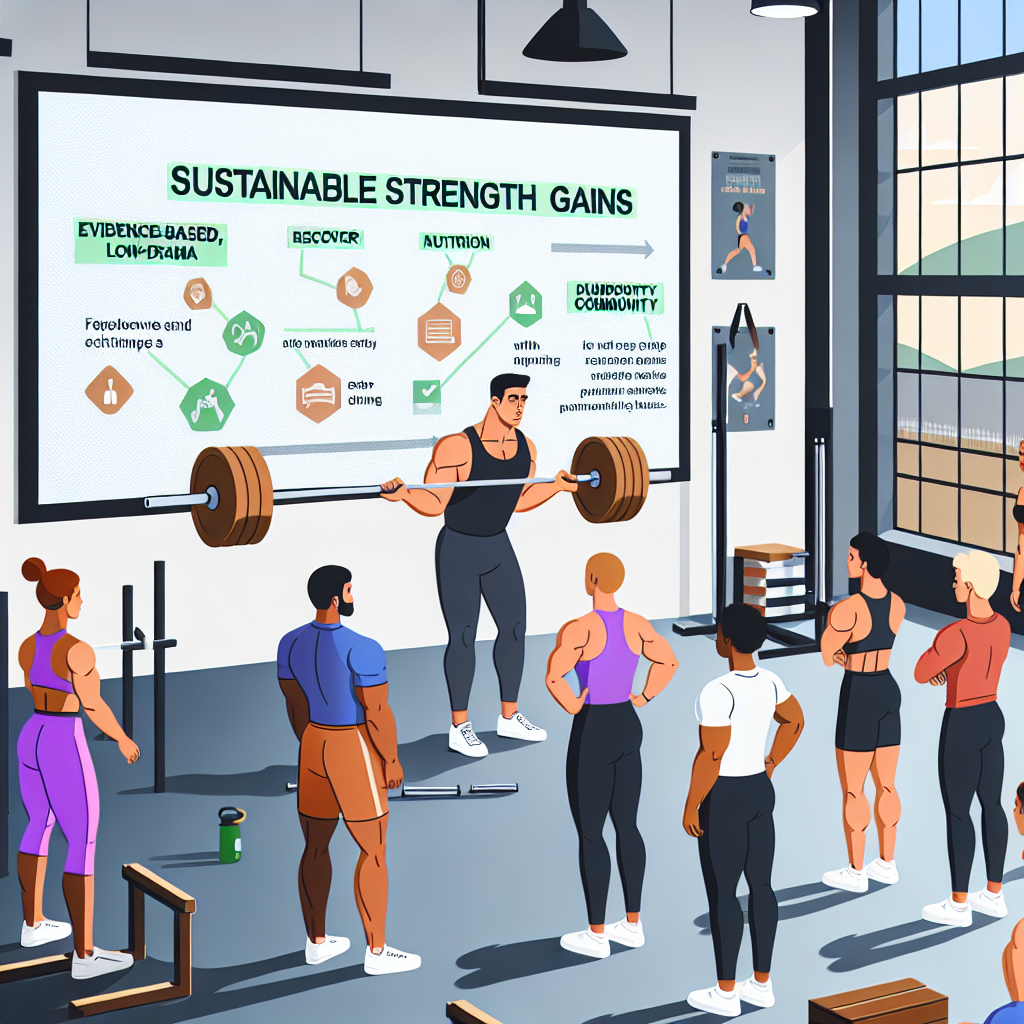
# Small Wins, Big Plates: How to Turn Community Hype into Real Strength Gains
There’s something electric about watching someone hit a giant squat, a new bench PR, or asking a humble question about the strict press. Whether you’re scrolling a forum thread full of celebration, troubleshooting, or curiosity — that mixture of ambition and practical help is how progress happens.
If you’re a millennial or a health-minded adult looking to add pounds to the bar, this piece lays out the evidence-backed, low-drama steps that move you from “Can I?” to “I did.” Think practical cues, small progressions, and community as fuel — not a shortcut.
## Why milestones matter — and how to chase them wisely
Milestones (225 bench at 135 lb bodyweight, a 424 lb squat at 170 lb, or a 300 lb strict press) are motivating because they’re concrete and emotionally satisfying. The problem shows up when hype outruns the plan: chasing big numbers without programming, recovery, or technique invites injury and burnout.
A better approach:
– Pick meaningful, realistic goals. Make them time-bound (e.g., add 10–20 lbs to your squat in 8 weeks).
– Break them into micro-goals: weekly load increments, improved bar speed, cleaner setup.
– Celebrate publicly when it helps your motivation — but let the community reinforce consistent work, not risky shortcuts.
## Lift-specific practical tips
### Squat: build a strong base
– Frequency & volume: Squat 2–3x/week for most lifters — heavy day, volume/top-end reps day, and a technique/accessory day. That repetition builds motor patterns and tolerance.
– Technique cues: brace your core, keep weight mid-foot, let knees track roughly over toes, and hit consistent depth. Record video from the side and cue a proud chest and neutral spine.
– Accessories: Romanian deadlifts, paused squats, reverse lunges, and glute-ham raises strengthen the posterior chain and carry directly to heavier squats.
– Progression: Small jumps—5–10 lbs on lower-body lifts—is more sustainable than chasing big jumps each week.
### Bench press: press more efficiently
– Set-up matters: retract the scapula, plant your feet, find a reliable bar path. A moderate arch is fine; don’t force positions that hurt.
– Supporting muscles: Triceps and upper back are bench multipliers. Close-grip presses, dips, and single-arm rows pay dividends.
– Rep ranges: Use heavy 3–5 rep sets for strength and 6–12 for accessory volume and muscular stability.
### Strict press: patience and specificity
– Practice strict presses 2–3x/week with one heavy day and one speed/volume day. Frequency builds overhead comfort.
– Build delts, upper back, and triceps — think lateral raises, face pulls, and extensions.
– Technique cues: ribs down, tight midline, and press the bar on a slightly curved path so it finishes over mid-foot. If your goal is strict pressing, avoid excessive leg drive.
## Programming essentials (what research-backed routines share)
– Progressive overload: increment weight, reps, or sets gradually. Track every session.
– Frequency: practice main lifts multiple times weekly for better motor learning.
– Periodization: run focused blocks (3–8 weeks) then deload. Blocks allow adaptation and measurable progress.
– Autoregulation: use RPE or subjective readiness. Life stress, sleep, and workload change how much you can push.
## Recovery, nutrition, and longevity
– Protein & calories: aim for ~1.6–2.2 g/kg bodyweight of protein. If you want to gain strength and muscle, favor a small calorie surplus; to stay lean, maintain calories and prioritize progressive training.
– Sleep & stress: 7–9 hours of sleep matters. Strength is built between sessions.
– Mobility & prehab: warm up with movement patterns that match your lifts. Keep shoulders, hips, and ankles mobile — small investments avoid big setbacks.
## Community and mindset tips
– Ask simple, specific questions. Instead of “How do I get stronger?”, ask “Should I add a second squat day for 8 weeks and drop accessory volume?”
– Share progress and plateaus. Posting a PR or a frustrated week invites feedback and keeps you honest.
– Curate your sources. Start with beginner guides and evidence-based wikis; cross-check dramatic claims and prioritize approaches that match your schedule and injury history.
## Quick sample micro-plan (3x/week full-body strength)
– Day 1: Heavy squat (3–5 sets of 3–6) + light bench/rows (4×6–10)
– Day 2: Medium squat variant (pause or front) 3–4×5–8 + strict press (4×3–6) + accessory (8–15 reps)
– Day 3: Deadlift or posterior chain focus (3–5×3–6) + bench volume (4×6–10) + upper-back accessory
– Accessories: 2–3 per session (8–15 reps) to maintain push/pull balance.
– Deload: every 4–8 weeks depending on fatigue.
Modify for beginners by lowering volume and focusing on technique-first sets; advanced lifters can increase intensity and use autoregulation.
## Common mistakes & quick fixes
– Mistake: Only training a lift once a week. Fix: add a light or technique-focused second session.
– Mistake: Big weekly jumps. Fix: smaller increments and an extra warm-up set at a higher RPE.
– Mistake: Skipping recovery. Fix: schedule one true deload, and prioritize sleep for two weeks when you push a heavy cycle.
## Parting takeaway
Big lifts and small questions are two sides of the same coin. Community hype lights the fuse — consistent, humble training makes the fireworks. Use frequency and specificity, prioritize recovery and nutrition, and let community motivation support your plan rather than replace it. Celebrate loudly, treat plateaus as data, not defeat, and focus on the small wins that add up.
### Takeaway checklist
– Train main lifts 2–3×/week for faster gains
– Use targeted accessories for weak links (triceps for bench, posterior chain for squat, delts/upper back for press)
– Progress in small increments and plan deloads
– Prioritize sleep, protein, and consistent mobility
– Share wins and questions with a supportive community — then get back to the plan
Ready to lift smarter? Pick one weak link, commit to a focused 6–8 week plan, track it, and loop a community into the journey. What one weakness will you attack first?