

Lift, Listen, Level Up: What Every Millennial Lifters Needs to Know from the 2025 Season
# Lift, Listen, Level Up: What Every Millennial Lifters Needs to Know from the 2025 Season
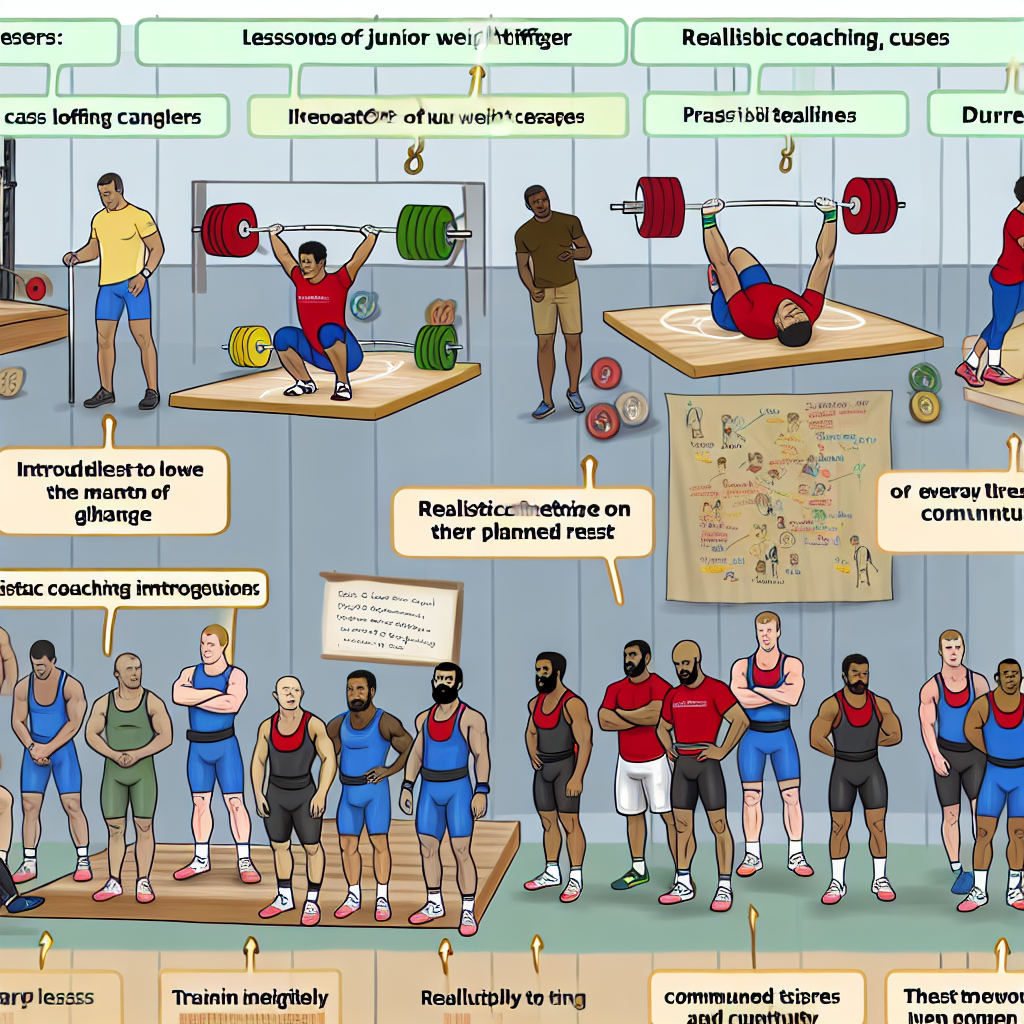
If you follow weightlifting, this fall is shaping up to be one of those seasons where choices matter—whether you’re cheering from the couch, chasing a personal best, or deciding whether to change weight classes. From the junior and U23 European championships landing in Durres to a global tweak of competition categories and the reminder that rest can spark strength gains, there’s plenty to learn. Below I unpack the essentials and give practical guidance so you can train smarter, compete with confidence, and stay connected to the community.
## Durres 2025: a meet to watch (and follow)
The European Junior and U23 Championships in Durrës are where tomorrow’s stars show their work. If you can’t travel, organizers usually publish start lists, live scoreboards, and streams—perfect for following sessions in near real time, tracking results, and watching technique breakdowns.
Why this matters for everyday lifters:
– Junior meets highlight coaching trends and technical solutions you can borrow. Watch how athletes sequence warm-ups, pick attempts, and handle misses.
– You learn competition timing: how long a warm-up really takes, how minutes between attempts affect readiness, and how athletes respond to pressure.
– It’s a free masterclass in progression. Look for small technical adjustments on successful lifts and try them in your next session.
Tip: Pick one lifter to follow during a session. Note their opening attempts, how they manage second attempts after a miss, and one cue you can test in your own training.
## New weight categories: what changed and why it matters
The international federation adjusted categories to sync Olympic-focused classes with the Games and keep a wider set for other competitions. Translation: some classes are compressed, some are expanded, and competitive landscapes will shift.
Practical implications for you:
– Borderline lifters must choose: cut or gain. That decision changes training stress, recovery needs, and social life (hello meal planning).
– Depth shifts in classes mean early-season results can be noisy. Don’t overreact to one competition’s standings.
– Coaches and athletes will experiment with body-composition strategies, so be patient while the scene rebalances.
If you’re undecided, run a 6–8 week trial where you track body mass, lifts, sleep, and energy. Data beats opinion.
## Should you move weight classes? Ask these questions first
This is the classic forum debate. Here’s a checklist to make the choice practical, not dramatic:
– Is your technique solid for your current size? If your lifts are underperforming relative to your bodyweight norms, changing class might help — but only if the weakness is size, not movement.
– What’s the timeline to your goal event? Rapid changes increase injury and fatigue risk. Prefer slow, steady body-mass shifts.
– Can you preserve strength while gaining or losing mass? Test a mini-cycle (4–8 weeks) and track lifts.
– Do you have bandwidth for the mental side of weight change? Meal prep, weigh-ins, and calorie tracking add cognitive load.
Practical rules if you change class:
– Aim for 0.5–1% bodyweight change per week. Faster is usually counterproductive.
– Prioritize protein (1.6–2.2 g/kg bodyweight for most lifters) to protect muscle when dieting down.
– Keep strength-focused sessions and maintain intensity; volume is where you can safely drop or add.
– Communicate with a coach or dietitian when possible.
## The rest week that built a 215 kg back squat
A lifter in our community hit a 215 kg back squat after taking a full week off. That’s not luck—it’s a reminder that planned rest and deloading are performance tools, not punishments.
Why rest helps:
– Physical: lowers microtrauma and lets glycogen stores refill.
– Neural: reduces central fatigue so your motor patterns fire cleaner.
– Psychological: gives you appetite for training again and reduces chronic stress.
How to structure productive rest:
– Deload week: reduce volume 40–60% while keeping loads moderate. This preserves technique without deepening fatigue.
– Full rest week: useful after long, intense blocks. Return with 60–70% of previous top sets for the first week and rebuild.
– Sleep & nutrition: treat rest as active recovery. Get 7–9 hours of sleep and maintain protein intake.
Quick example deload:
– Monday: Squat 3 sets x 5 at 60% usual working weight; focus on slow, controlled tempo.
– Wednesday: Light snatch/clean drills and mobility.
– Friday: Bench or push work with lighter loads and paused reps for technique.
## Exercise & technique focus: back squat and pulling mechanics
Form matters, especially when small changes give big returns. Two everyday priorities: back squat mechanics and pulling technique.
Back squat cues:
– Foot placement: shoulder-width, toes slightly turned out. Drive knees along the same line as toes.
– Bracing: take a diaphragmatic breath, brace abs as if someone will punch your stomach, then descend.
– Depth: hip crease below parallel is ideal for strength carryover. Use a box or tempo reps if mobility limits you.
– Common mistake: collapsing the chest. Fix with cue ‘proud chest’ and practice paused reps.
Pulling mechanics (for deadlifts, cleans):
– Start position: bar over midfoot, shins vertical, hips set so you can generate force through the ground.
– First pull: stay tight and move the bar back over the thigh before the second phase.
– Finish: fully extend the hips and lock the knees; for cleans, finish by pulling under once bar velocity drops.
– Common mistake: early arm bend. Keep arms long on the pull and use the hips to generate speed.
Modifications for beginners:
– Box squats for hip control.
– Romanian deadlifts and kettlebell swings for hip hinge learning.
– Tempo squats (3 seconds down, explosive up) to build control.
## Community matters: how to use it wisely
Online groups and gym buddies are gold—if used well. They offer accountability, troubleshooting, and perspective.
How to ask for help:
– Be specific: post a video, state your load, note what you want fixed.
– Share data: sleep, soreness, and recent PRs help people give realistic advice.
– Give before you take: share wins, not just questions. Positive contributions build rapport.
## Takeaway: small, consistent decisions win
The 2025 season gives visible competitions and private opportunities: choose your best weight class with patience, program rest intentionally, and lean on community wisdom. Whether you tune into Durres, trial a body-composition strategy, or enjoy a deliberate deload before chasing a PB, plan with evidence and kindness to yourself.
Ready to act? Pick one goal for the next six weeks: follow a live stream and copy one useful cue, try a structured deload, or log body-mass and training numbers before deciding on a class change. Which one will you commit to this week?