

Run Through the Seasons: Smart Winter Gear, Community Wisdom, and Small Wins That Keep You Going
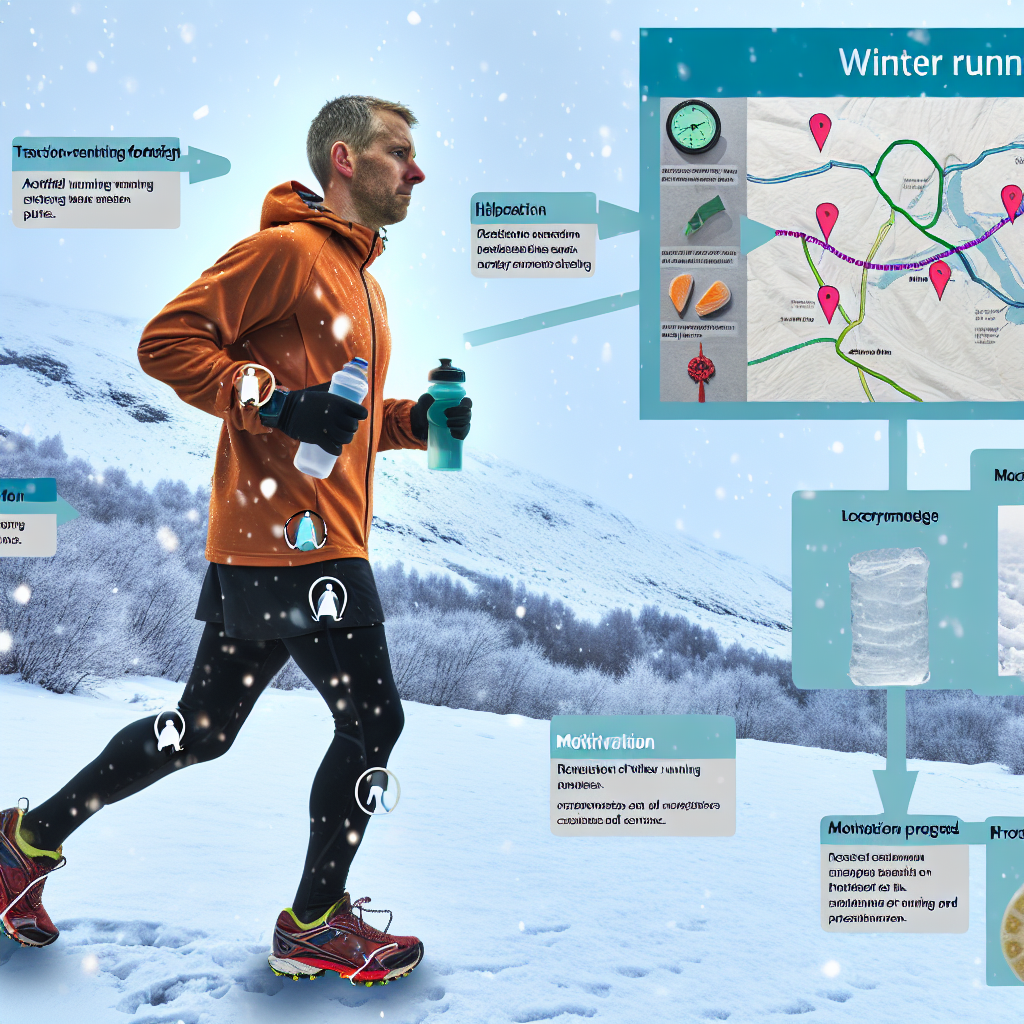
# Run Through the Seasons: Smart Winter Gear, Community Wisdom, and Small Wins That Keep You Going
If you run — casually, competitively, or somewhere in between — you know the seasons, weather, and daily grind shape your routine. Winter can be a barrier or a training advantage depending on how you prepare. This piece breaks down the science behind cold-weather running, practical applications you can use tomorrow, and motivational strategies to keep momentum through shorter days and longer jackets.
## The science in plain language
Cold-weather running is all about two physiological principles: thermoregulation and moisture management. Your body produces heat while you run, but exposed skin, wind, and wet garments increase heat loss via convection and evaporation. Sweat still happens in cold air — dry air can evaporate moisture faster than you feel, leading to unnoticed fluid loss and post-run chills.
Wind chill matters because moving air strips the thin layer of warm air held next to your skin. Start into the wind and finish with it at your back to avoid coming in sweaty and suddenly chilled. For sleep and mood, morning light exposure helps reset circadian rhythms, keeping energy and motivation steadier through shorter days.
## Practical layering and gear — what to actually wear
Goal: trap a thin layer of warm air, wick moisture away from skin, and block wind or precipitation when needed.
– Base layer: Merino wool or technical synthetic. These wick and resist odor. Avoid cotton.
– Mid layer: Lightweight fleece or synthetic insulation. Use a vest if your core needs warmth but you want arm mobility.
– Outer layer: Wind- or water-resistant shell for exposed conditions. Breathable is better than fully sealed unless it’s pouring.
– Extremities: A warm hat (40% of heat is lost through the head), thin gloves for mild cold, mittens for very cold, and a buff or balaclava when wind is strong.
Guideline by feel (adapt for your personal tolerance):
– 30–40°F / -1–5°C: long-sleeve wicking top, light tights or joggers, thin socks.
– 20–30°F / -6–-1°C: add a base layer, midweight socks, and consider gloves.
– 10–20°F / -12–-6°C: thermal tights, insulated top or vest, warm hat, mittens.
– <10°F / <-12°C: full insulation + wind shell, face protection, consider cutting runs short if wind-chill is extreme.
Fit matters: clothing that’s too tight compresses trapped air and restricts circulation, making you colder. If you sweat heavily, choose layers with vents (zippers) so you can dump heat mid-run.
## Shoes, traction, and sensible technique
Choose footwear for surface, not just temperature. Road trainers are fine for cleared paths; trail shoes with lugs perform better in soft snow. For ice, microspikes or screw-studded options give significantly more traction than regular soles. Lightweight traction devices like Yaktrax add grip for icy sidewalks.
Technique cues to reduce slips and impact:
- Shorten your stride and increase cadence slightly (aiming toward 170–185 steps/min depending on your comfort). Shorter steps put your foot closer to your center of mass and lower braking forces.
- Land under your hips, not out in front. This reduces forward momentum that can cause slips.
- Keep your torso upright and your gaze ahead (not down at your feet), which helps balance and quick reactions.
- Slow before turns and crosswalks; slips are often from sudden direction changes.
## Hydration, fueling, and food logistics
You still lose fluid in cold weather. Dry air promotes evaporation, and you might not feel thirsty. Practical tips:
- Use insulated bottles or stash water close to your core to keep it from freezing.
- Keep gels in a mitten or chest pocket so they don’t solidify; try chews warmed by body heat.
- For long runs, plan routes with reliable water stops or carry a small insulated handheld.
Fueling timing is unchanged: eat 200–500 kcal before long efforts depending on your needs, and refuel during long runs to maintain performance and mood.
## Use the community — smarter, not louder
Before you ask, search. Most running groups have pinned FAQs, wikis, and archives — those often contain tested solutions for shoe choices, pacing on a hilly winter course, or race-day logistics. When you post: be specific (location, pace, distance, constraints). Good questions get quicker, actionable answers and help others later.
Community is also a powerful motivational tool. Evidence from behavior science shows social accountability and public recognition increase adherence. Share small wins, ask for company on cold mornings, and reciprocate by offering tips or encouragement.
## Common mistakes and how to avoid them
- Mistake: Overdressing. If you feel warm during the first half mile, you’re probably layered correctly; you’ll cool down as you finish. Start a bit chilly and you’ll warm into the run.
- Mistake: Ignoring traction. Cheaping out on traction gadgets can lead to avoidable slips and injuries.
- Mistake: Skipping hydration because it’s cold. Dehydration hits performance and recovery.
- Mistake: Letting the clock and daylight rule your training entirely. Prioritize consistency: shorter, purposeful runs beat sporadic, long sessions.
## Celebrate small wins — the psychology of momentum
Recognizing progress, even small, builds motivation. Keep a weekly log, post one win in a forum, or set a “non-negotiable” habit (e.g., three 20-minute runs a week). These small, consistent wins compound into fitness gains and stronger habits.
Use race-day energy to learn not just finish times but logistics: what layer choices worked, how you fueled, where the crowds clustered. Share those micro-lessons back with your community.
## Quick wins for the time change and low-light season
- Get morning light exposure when possible to anchor your circadian rhythm.
- Keep bedtimes consistent to protect sleep quality.
- Try a short, brisk morning run to jump-start energy and mood.
- If motivation dips, schedule social runs; the group effect works better than willpower.
## Takeaway and next step
Winter running doesn’t have to be punishment. With smart layering, traction, visibility strategies, and fuel planning you can stay safe, consistent, and even find joy in the season. Lean on community knowledge, celebrate small wins, and treat each run as a building block.
What small, specific change will you try this week to make winter running easier or more enjoyable?