

Lift, Learn, Repeat: What Durres 2025 and a Week Off Teach Us About Strength, Strategy, and Community
# Lift, Learn, Repeat: What Durres 2025 and a Week Off Teach Us About Strength, Strategy, and Community
By Jake Morrison
You don’t have to be an elite lifter to care about the small shifts that shape a sport. Between the buzz from the 2025 European Junior & U23 Championships in Durrës, adjustments to international weight categories, and a few online lifters posting surprising PRs after short breaks or beltless work, there’s something for everyone here: science-backed training choices, simple technique cues, and real-world strategies you can drop into your routine.
## Energetic hook: the week-off surprise
A member of an online gym community posted a new back-squat max (215 kg) after taking a single week off. Not a year of grinding—one week. That’s a blunt reminder: progress isn’t only about pushing harder. Smart rest, intentional technique work, and the right environment produce gains just as importantly as heavy sets.
Here’s why that happens, how to use it, and what else from Durrës you can apply to your training.
## The science, in plain terms
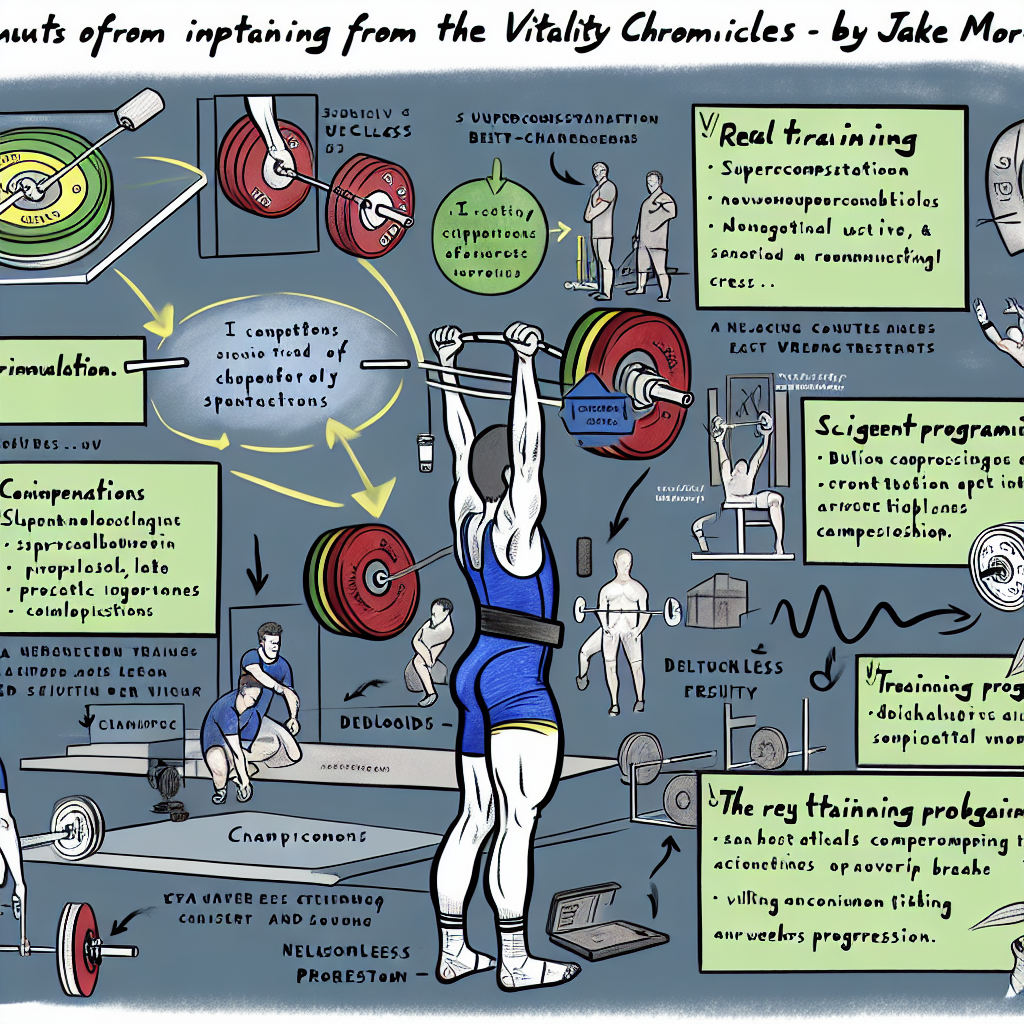
– Supercompensation: Training creates fatigue. If you reduce load long enough, the body rebounds to a stronger state—more energy stores, fresher nervous system, cleaner technique. That rebound is supercompensation.
– Neuromuscular readiness: Heavy lifting is as much about your nervous system as muscle size. A short break clears accumulated neural fatigue and can improve force expression.
– Motor learning: Brief, focused technical work during lower-volume phases lets your brain refine movement patterns without the noise of volume-driven fatigue.
These mechanisms explain why a planned deload or a single week off can feel like a reset and produce immediate performance gains.
## What Durrës 2025 teaches everyday lifters
Watching junior and U23 competitions is useful because they’re laboratories for coaching decisions: weight-class choices, peaking strategies, and recovery protocols. You don’t need to mimic elite volume—take the strategic parts:
– Small changes in body mass change leverage and technique; think sustainable composition shifts rather than crash cuts.
– Coaches experiment with short peaking blocks—study timelines (2–4 weeks) and adapt principles to your schedule.
– Technical fixes observed on the platform (higher hips in the pull, active shoulders in the rack) are often transferable to gym-level training.
## Quick primer: new weight classes (why it matters)
New weight bands change who competes where and highlight that tiny changes in bodyweight can alter relative strength. For non-competitive lifters, the takeaway is practical: prioritize steady, maintainable dietary and training changes so strength and technique don’t get sacrificed for short-term weight moves.
## Practical deloading: a one-week template
Goal: reduce accumulated fatigue but keep skill and neural drive.
Sample week-off (7 days):
– Days 1–2: Active rest — light aerobic work (20–30 min), mobility, soft tissue work. Prioritize sleep and protein.
– Day 3: Technique day — 40–50% of usual intensity, focus on bar speed and positions (3–5 sets of 3 reps for main lifts).
– Day 4: Neural reminder — 1–3 heavy singles or doubles at ~90% of a heavy training single (not a true max) to preserve nervous-system readiness.
– Days 5–7: Active recovery + mobility and short technique sessions; reintroduce normal training volume gradually after day 7.
Key rules:
– Reduce volume more than intensity. Keep a few heavy reps, but cut total sets and accessory work.
– Sleep, nutrition, and mobility are non-negotiable—recovery is where adaptation happens.
## Beltless work: how and why to use it
Why try it? Training without a belt forces your core to brace with intrinsic muscles, improving motor control and transferring better to everyday movements.
Progression (4–6 week block):
– Weeks 1–2: Practice diaphragmatic breathing and hollow-brace drills. Use light front squats or goblet squats and focus on posture.
– Weeks 3–4: Add beltless sets at 60–75% of training max for 3–5 sets of 3–5 reps. Keep tempo controlled.
– Week 5+: Try a heavier beltless single only if technique and confidence are solid; otherwise reintroduce belt for maximal attempts.
Common cues for beltless squats and cleans:
– Take a deep belly breath, feel pressure into the abdomen, and hold that brace.
– Think “rib cage down” to avoid overarching.
– For cleans: pull under quickly, keep elbows high in the dip, and finish with a strong brace in the catch.
Modifications:
– Beginners: start with goblet squats and kettlebell deadlifts to build anterior core control.
– Intermediate: use beltless tempo sets and paused reps to deepen motor learning.
## Technique-first coaching notes (form and common mistakes)
– Squat depth: aim for hip crease at or below parallel; if knees collapse, check ankle mobility and hip strength.
– Knee tracking: push knees out over toes; use band-resisted squats to train cueing.
– Clean pull mistakes: often too early elbow bend—keep the arms long until full extension.
– Bracing errors: breath shallowly or hold breath incorrectly. Practice diaphragmatic breaths lying on your back with a book on your belly to feel motion.
If something hurts (sharp joint pain), stop and regress. Discomfort in working muscles is normal; pain is not.
## Community and consistency
Forums, club chats, or local groups are where technical tips meet motivation. Observe competitions like Durrës to pick cues, but filter what you see—athletes are in specialized cycles you may not need.
How to make community work for you:
– Ask specific questions (e.g., “how do you cue knees in the squat?”) rather than vague ones.
– Celebrate small wins publicly—consistency compounds, and social reinforcement helps.
– Prioritize advice from coaches with track records and evidence-based reasoning.
## Practical next steps (for busy adults)
– Schedule a deload every 4–12 weeks based on training intensity.
– Try a 4–6 week beltless block if you want better core transfer to daily life.
– Watch a competition platform for 30–60 minutes and jot 3 technique cues you can try in your next session.
– Track progress with simple metrics: RPE, movement quality, and small strength nodes (e.g., a beltless front squat PR or bar speed on singles).
## Motivation — the real fuel
Strength isn’t just about numbers. It’s about having the capacity to move through your life, enjoy activities, and feel capable. Small strategic changes—a planned week off, a block of beltless work, or a line of text from a coach on a forum—compound into meaningful progress.
Lift, learn, and repeat: the loop of training, rest, and community keeps you steady and moving forward.
What small change will you try this week—a one-week deload, a short beltless block, or watching a competition for technique cues—and how will you measure success?