

Tiny Wins, Big Momentum: How Community, Compassion, and Strategy Fuel Real Change
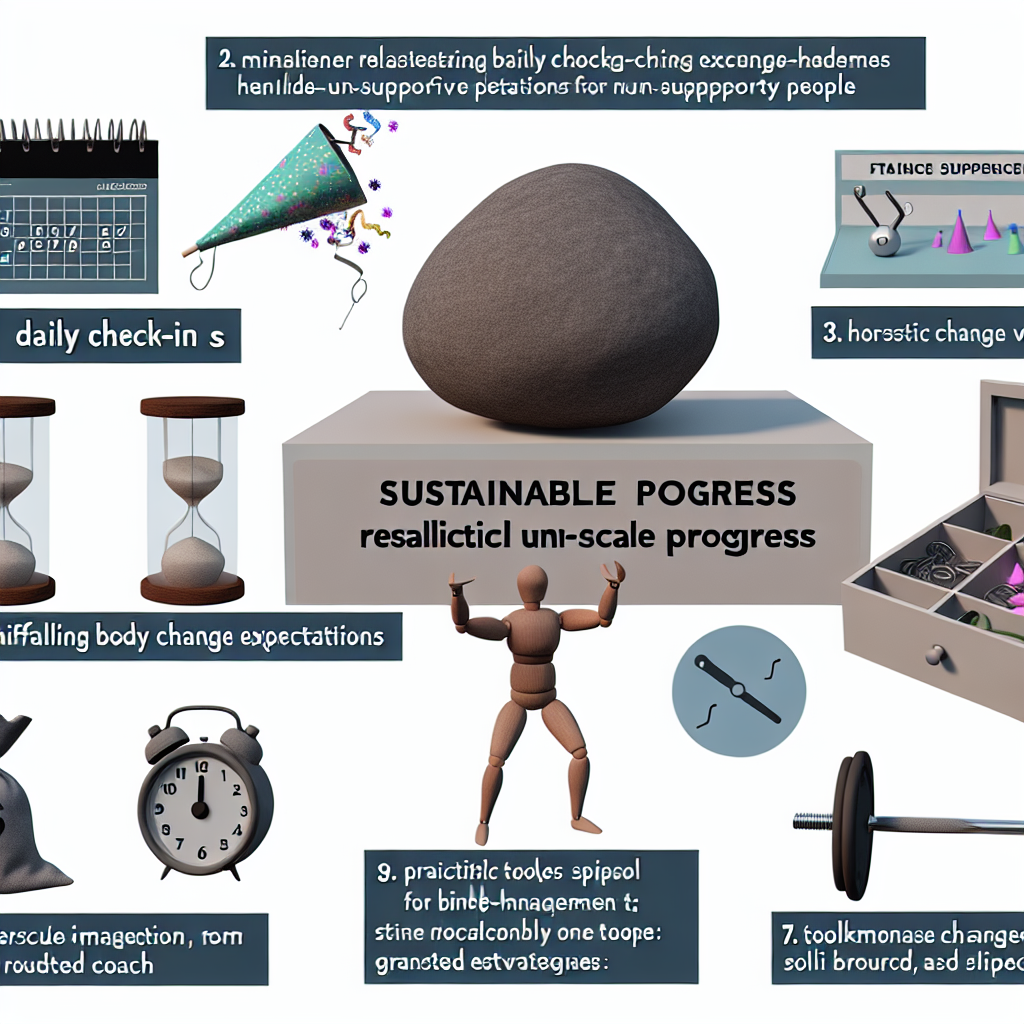
# Tiny Wins, Big Momentum: How Community, Compassion, and Strategy Fuel Real Change
By Jake Morrison
If you’ve ever felt stuck between the excitement of a fresh plan and the messy middle of real life, you’re not alone. Progress in fitness is rarely a straight line — it’s lots of little choices, a handful of setbacks, and the people who cheer you on. The good news: when you combine small, trackable wins with supportive community and evidence-based tactics, momentum becomes cumulative. Below is a practical playbook to help you make change that lasts.
## The energetic hook: start where you are
Imagine posting a one-line update: “Logged my water today — 8 cups.” That tiny public act can out-perform a month of private vows. Why? Because visibility + repetition = habits. Research on behavior change consistently shows tracking and accountability increase adherence. So forget the all-or-nothing global resets; aim for daily micro-commitments that are trivially achievable.
## Why daily check-ins matter (and how to keep them useful)
Daily check-ins create consistent feedback loops. They increase awareness — and awareness is the gateway to change.
– Practical application: pick one metric and stick to it for 30 days (e.g., steps, gym session, meals logged, or water intake). Keep it simple.
– Make it visible: post in a group, update a status flair, or use a shared spreadsheet. The social element raises follow-through.
– Keep check-ins binary or numeric (yes/no, or a number) to avoid decision fatigue.
Tip: When you miss a day, log what prevented you. That tiny data point helps you adapt without shame.
## Celebrate the non-scale victories (NSVs)
Scale movement is slow and uneven. NSVs are the motivational fuel that keeps you going.
Why they matter:
– They reinforce identity change: small wins help you see yourself as someone who follows through.
– They improve mood quickly, which increases consistency.
– They protect against plateaus by reminding you progress isn’t only a number.
Practical tool: an “SV/NSV” log. Write one win daily — calmer food choices, better sleep, fewer urges — and review weekly.
## Managing unsupportive people and microaggressions
People may minimize your efforts or make thoughtless comments. Your feelings are valid. Protecting your energy is part of your program.
How to respond:
– Short scripts: “That’s not okay,” or “I’m not here to discuss that.”
– Exit strategies: leave the conversation or room if needed.
– Build allies: find friends or online groups who celebrate you.
– Professional support: a therapist or coach can help set boundaries and strengthen resilience.
Remember: you don’t owe an explanation to someone whose job isn’t to support your health.
## Understanding body changes that don’t match expectations
Bodies are individual. Fat distribution, hormones, and genetics determine how and where changes show up. For example, breast volume varies because breasts contain glandular and connective tissue that doesn’t decrease like fat elsewhere.
What to do practically:
– Focus on capability and comfort: posture, strength, and pain reduction are wins even if measurements don’t change as expected.
– Strength training for posture: build posterior chain strength (rows, Romanian deadlifts, hip hinges) to improve posture and reduce back pain.
– Gear matters: a certified fitter and supportive sports bras reduce discomfort during transitions.
– Medical options: consult specialists if you’re considering structural changes; it’s a personal choice.
Form cues for posture-friendly strength work:
– Hip hinge (Romanian deadlift) cue: push hips back, maintain a neutral spine, soft knee bend, weight through the heels.
– Rowing movement cue: hinge from the hips, chest up, pull elbows toward your ribs, squeeze shoulder blades at the top.
– Core bracing: inhale, brace as if someone might punch your belly, then perform the rep — this protects the spine.
Modifications: use lighter weights, tempo control, or resistance bands when returning from injury or starting out.
## Evidence-based strategies for dealing with binge urges
Binge urges are common and treatable. Small, structured strategies reduce their power.
– Controlled indulgence: schedule a mindful portion of the trigger food to remove the “forbidden” label.
– Urge-surfing: notice the craving, rate it 0–10, breathe for five minutes, and watch intensity decline.
– Predictable meals: eat regular, satisfying meals to avoid energy dips that trigger binges.
– Clinical care: for frequent or distressing bingeing, cognitive-behavioral therapy (CBT) and certain medications have strong evidence.
Practical hack: keep a short plan card in your wallet with steps to ride out an urge (drink water, 5-minute walk, call a friend, urge-surf).
## Practical tools to keep momentum
– Public/private flair: update a status with your metric — the act of reporting helps.
– Front-load calories on busy days: prioritize portable, calorie-dense foods when you’ll be short on time.
– Two-week menu + shopping list: reduces decision fatigue and impulse purchases.
– Short accountability sprints (5–7 days): win fast and build confidence.
## Community etiquette: contribute to the vibe you want
If you’re in a group, be the energy you want: celebrate, ask curious questions, and avoid unsolicited critique. Positive feedback loops make everyone more likely to show up.
## Common mistakes and quick coaching cues
– Mistake: all-or-nothing mentality. Cue: pick micro-goals and scale up.
– Mistake: seeking visible progress only (scale obsession). Cue: log NSVs and strength gains.
– Mistake: skipping form work. Cue: slow down, use a mirror or video, or work with a trainer for a session.
## Takeaway (and a push to act)
Progress builds from tiny, consistent steps stacked with social support, realistic expectations, and self-compassion. Report something small tomorrow — water, a workout, a calm choice — and share it with someone who will cheer. Over weeks those tiny wins compound into real momentum.
What small, visible win will you commit to reporting tomorrow?