

Start Strong, Stay Still: A Millennial’s Roadmap to Yoga, Community, and Balance
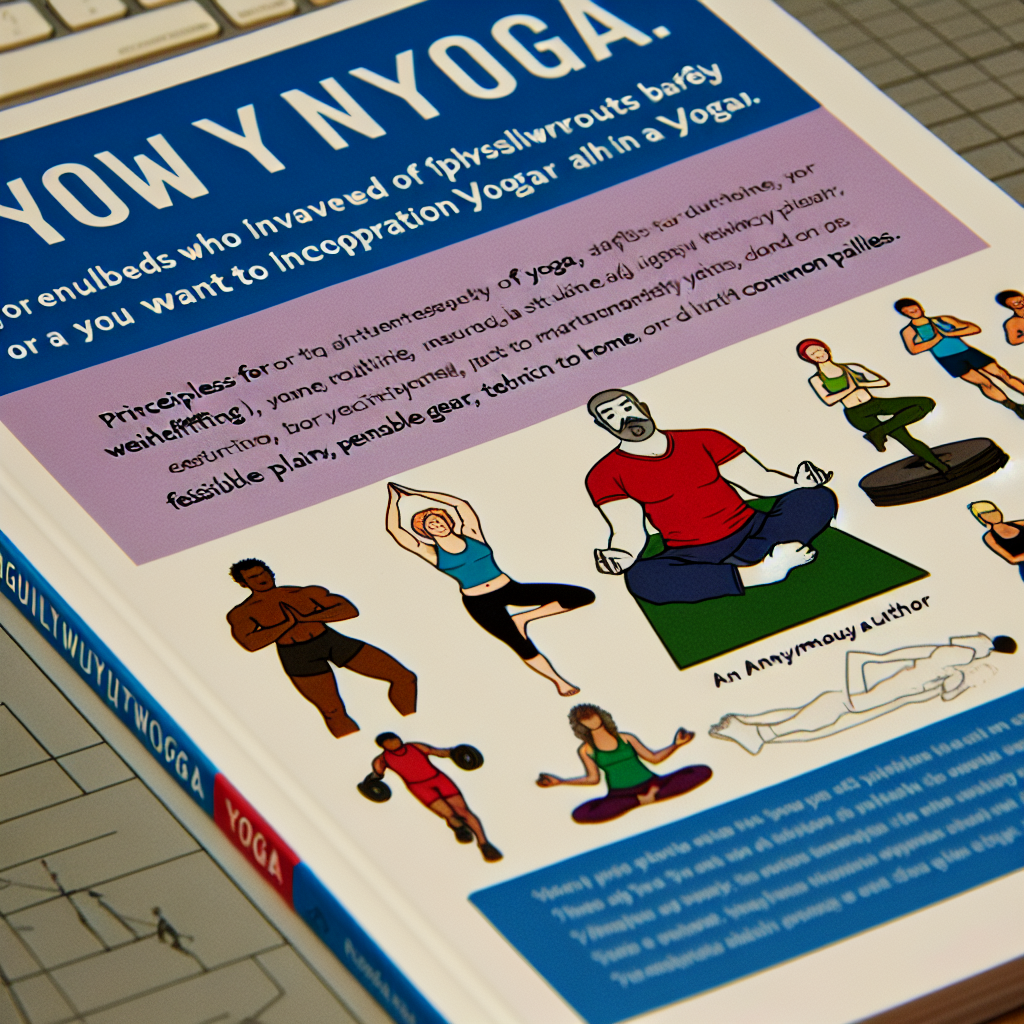
# Start Strong, Stay Still: A Millennial’s Roadmap to Yoga, Community, and Balance
_By Jake Morrison — Vitality Chronicles_
Hook
If your week looks like lift, sprint, hustle, repeat, the idea of adding “sit and breathe” to that list can feel like an unwanted chore. But what if the missing piece to hitting new PRs and sleeping better is exactly 20 minutes of slow breath and deliberate movement? This article gives the no-nonsense roadmap to bring yoga into a busy life—without losing the gains or your patience.
Why yoga? The quick science-backed case
Yoga isn’t just pretty Instagram shapes. Research shows regular practice improves flexibility, balance, and mobility while reducing perceived stress and improving mental resilience. Studies also demonstrate benefits for balance (crucial as we age), improved range of motion around joints, and measurable drops in markers of stress when breathwork is included. In short: yoga gives you movement skills and nervous-system tools that directly support recovery and focus for strength or cardio training.
Where to begin: studio vs. home
– Studio: Ideal for your first few classes. Start with restorative or gentle classes—these emphasize comfort, use props, and teach alignment. Hatha is the natural next step; it’s slower, alignment-focused, and great for learning basics.
– Home: Convenient and cost-effective. Choose reputable teachers and shorter, repeatable sequences so you can learn alignment gradually. Use video programs or channels with clear verbal cues and filmed from multiple angles.
– Hybrid: My recommended approach for busy lifters. Drop into a studio once every 1–3 weeks for feedback, and do 15–25 minute home flows on off days.
Practical gear and simple hacks
You don’t need a shrine of equipment:
– Mat: Non-slip and cushioned. Test in-store or check return policies.
– Towel: Microfiber mat towels are great if you sweat.
– Props: Two blocks, a strap, and a bolster or thick pillow transform hard poses into accessible ones.
– Clothes: Breathable, grippy fabrics help you focus on movement, not wardrobe.
Hacks: keep a small towel and disinfectant wipes in your bag, practice near an open window at home for ventilation, and use a timer for short sessions so you don’t overcommit.
Exercise & technique breakdown (do this, not that)
– Downward-Facing Dog (Adho Mukha Svanasana)
– Do: Push hips up and back, lengthen the spine, micro-bend the knees if hamstrings are tight, spread weight through the hands evenly.
– Don’t: Round the upper back or lock the knees. If wrists hurt, come to forearms or fists.
– Pigeon (Eka Pada Rajakapotasana) — hip opener
– Do: Stack your front shin comfortably; use a bolster under the hip if it drops. Keep the pelvis neutral and focus on breathing into the glute.
– Don’t: Force the front shin parallel to the mat; that can torque the knee.
– Cat/Cow (Marjaryasana/Bitilasana)
– Do: Use it as a spinal warm-up—coordinate breath to movement, inhaling into extension, exhaling into flexion.
– Don’t: Rush. This is mobility practice, not cardio.
Common mistakes & corrective tips
– Mistake: Treating yoga like cardio. Yoga is a motor-control and mobility tool—slow, controlled practice gives better results than sweaty speed.
– Tip: Use a metronome or count breaths for tempo (e.g., 4-second inhale, 6-second exhale) to train control.
– Mistake: Skipping modifications to “look like” others. Progress comes from pain-free movement.
– Tip: Use blocks/bolster and track improvements in range of motion, not aesthetics.
– Mistake: Doing intense yoga after a heavy strength session.
– Tip: Use restorative or breathwork after heavy lifts; save stronger vinyasa flows for recovery days or after light sessions.
Balancing the grind with stillness: integrate, don’t replace
If you lift heavy, you don’t have to choose between iron and inhale. Think of yoga as targeted accessory work.
– Active recovery: 20–45 minute mobility flows on off days accelerate recovery and reduce soreness.
– Breathwork: Five minutes of diaphragmatic breathing pre- or post-lift improves focus and calms ANS (autonomic nervous system) activity.
– Scheduling: Never do an hour of intense vinyasa the day of a max squat. Instead, do mobility before and restorative after.
Sample weekly approach (practical for lifters/new yogis)
– Mon: Upper body strength + 10 min breathwork
– Tue: 30-min mobility flow (hips & thoracic spine focus)
– Wed: Lower body strength
– Thu: Restorative yoga + 15–20 min pranayama (breathwork)
– Fri: Full-body strength or conditioning
– Sat: 45–60 min Hatha or gentle Vinyasa class
– Sun: Active recovery walk + gentle stretching
Start with 10–20 minutes daily; consistency beats sporadic intensity.
The community piece (use it, don’t get used up)
Online forums, studio communities, and small groups are excellent for accountability, tips, and program recommendations. Do your homework: search FAQ threads, be respectful around yoga’s cultural origins, and avoid clicking into drama. If you want in-person feedback, ask teachers for form cues rather than posture corrections that feel shaming.
Motivation that actually works
Progress is practical: track how your squat depth or overhead mobility changes, not how “flexible” you look in a photo. Celebrate small wins—less wrist pain, easier sleep, deeper diaphragmatic breaths. Keep goals distinct: use strength sessions to build load capacity and yoga sessions to build movement quality and nervous system resilience.
Final takeaway
Yoga is a pragmatic toolkit—movement, breath, and attention—that helps you perform better and recover faster. Start gently, use props, learn from community resources, and integrate yoga around your strength goals. Consistent, small practices create durable change. What 20-minute restorative or mobility routine will you try this week to bridge your strength work with better recovery?