

Pull, Progress, Repeat: Smart Ways to Break Plateaus and Train Skills Without Burning Out
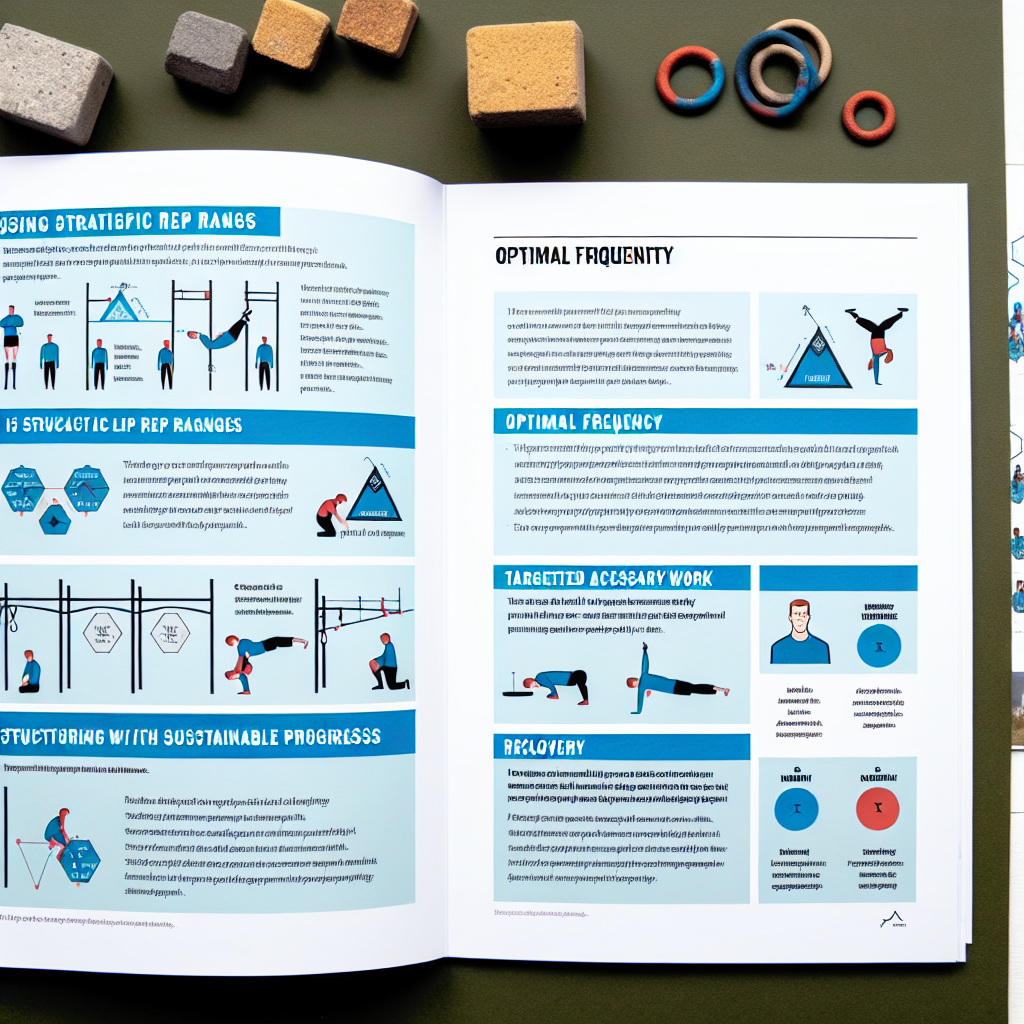
# Pull, Progress, Repeat: Smart Ways to Break Plateaus and Train Skills Without Burning Out
_By Jake Morrison — Vitality Chronicles_
If you train with your own bodyweight, you know the high of hitting a new hold and the low of seeing progress stall. Whether it’s weighted pull-ups, front lever progressions or planche starts, the fix is rarely dramatic. It’s methodical: tweak load, change frequency, polish technique and protect recovery. Below I break down the science, practical application and motivational road-map to keep you moving forward without burning out.
## The three training principles that actually matter
Before programming sets and reps, lock in three basics:
– Progressive overload: over time you must increase tension, volume or difficulty. Small consistent increases beat occasional binges.
– Specificity: train the skill you want to improve, or close variations of it. If you want a front lever, practice lever-like holds and transitions.
– Recovery: strength and tendon adaptations happen between sessions. Prioritize sleep, protein and manageable volume.
These aren’t flashy, but they’re the foundation of consistent gains.
## Rep ranges — how to use them, not worship them
Rep ranges are tools. Match them to the outcome you want.
– Strength (max force, one-arm pull-up or muscle-up prep): 2–6 reps. Low reps build the nervous system’s ability to produce force. For weighted pull-ups, pick a load that lands your sets in this range with an RPE around 7–9.
– Hypertrophy (size and mid-range strength): 6–12 reps. This range increases muscle cross-sectional area, giving you more tissue to produce force and stabilize joints.
– Endurance/skill endurance: 12–20+ reps or timed sets. Great for transition work and long isometrics like lever holds.
Practical cue: if your weighted pull-up sets are 3 reps and you want raw strength, stay low-rep and add small increments of load. If you need more muscle, add extra sets in the 6–12 range or include bodyweight volume sets between harder efforts.
## How often should you train a skill or exercise?
Frequency depends on the goal and the tissue.
– Strength skills (heavy weighted work or true max attempts): 1–2 focused sessions per week. These sessions should be high-quality and spaced so you’re fresh.
– Skill development (front lever, planche, muscle-up transitions): 2–4 short practice sessions per week. More frequent submaximal work improves neural patterns without overtaxing tissues.
– Mobility, wrist and neck work: 3–7x/week but low volume. Frequent short exposures win over once-a-week marathons.
– Tendon-heavy or very slow eccentric work: often dose these lower — roughly once weekly — because tendons adapt slower and need more recovery.
## When the front delt screams during planche work (and what to do)
Feeling anterior deltoid soreness during planche practice is common. The planche is a long lever that puts sustained anterior shoulder loading on the system. If your pecs, serratus and triceps aren’t sharing the load, the front delts will overwork.
What to change:
– Check alignment: shorter levers (tucked progressions) reduce delt demand.
– Scapular control: scapular protraction and depression drills stabilize the shoulder blade and distribute load.
– Accessory balance: add serratus punches, triceps extensions and scapular push-ups to improve contributors.
– Progress slowly: build hold time in small increments and avoid daily max attempts.
## Breaking a stubborn plateau — pull-ups and squats as examples
Plateaus usually come from one or more causes: not enough overload, poor recovery, technique limits, or an unfavorable bodyweight-to-strength ratio.
Pull-ups:
– Mix methods: include heavy weighted sets (2–6 reps), hypertrophy sets (6–12 reps) and eccentric/negative reps to overload different parts of the range.
– Technical work: practice kipping-to-strict transitions or pause reps to clean weak spots.
– Body composition: if you carry extra mass and it’s appropriate, modest fat loss can improve reps-per-effort.
Squats:
– Fix technique and CNS management: paused squats, tempo eccentrics and heavy singles with long rest can restart progress.
– Accessory focus: strengthen glutes, hamstrings and core — they’re commonly rate-limiting.
– Recovery and calories: squats demand CNS and systemic energy. Sleep and nutrition matter as much as the session itself.
For both lifts: track progress, cycle intensity (e.g., three build weeks, one easier week), and use short deloads if strength or motivation drops.
## Accessory habits that actually help
– Horizontal rows, face pulls and scapular pulls to balance pulling strength and keep shoulders healthy.
– Triceps and serratus drills to help planche and pressing patterns.
– Unilateral leg work and posterior chain strength for squat carryover.
– Grip and wrist conditioning often but briefly — short daily exposures outperform one long session.
## A simple weekly framework (for skill and strength)
– 2 pulling days: one heavy (2–6 reps), one volume/hypertrophy (6–12 reps).
– 2 skill sessions: front lever/planche drills — short, quality holds and technical reps.
– 1 lower-body strength day: squats or variations with posterior chain accessories.
– Daily mobility/wrist work: 5–10 minutes as warm-up or cool-down.
This is adaptable: swap days for your schedule, and keep maximal attempts limited to 1–2 sessions weekly.
## Common mistakes and quick coaching cues
– Mistake: always chasing more volume. Cue: ask yourself whether the extra work improves nervous system quality or just accumulates fatigue.
– Mistake: maxing out every session on skill practice. Cue: practice submaximal reps more often and reserve true max attempts for fresh days.
– Mistake: skipping accessory work. Cue: two 10-minute sessions per week on weak links yields outsized returns.
## Compassionate close
You’re balancing life, relationships and self-improvement. Progress shouldn’t demand burnout. Small, consistent adjustments to load, frequency and technique usually outpace frantic volume. Track a few meaningful metrics, prioritize recovery, and be patient: gains compound.
## Takeaway
Use low reps with heavier loads to build pulling strength, moderate reps for muscle, and frequent short practice to refine skills. Limit maximal heavy attempts to 1–2 sessions per week, do frequent low-volume mobility and wrist work, and attack plateaus with varied stimuli rather than more of the same.
What small change will you make this week to push past a plateau — add a micro-plate to your weighted pull-ups, swap a weekly max attempt for four short practice sets, or finally program a deload week?