

Winter Miles, Big Wins: Your November Running Playbook for Safe, Confident Training
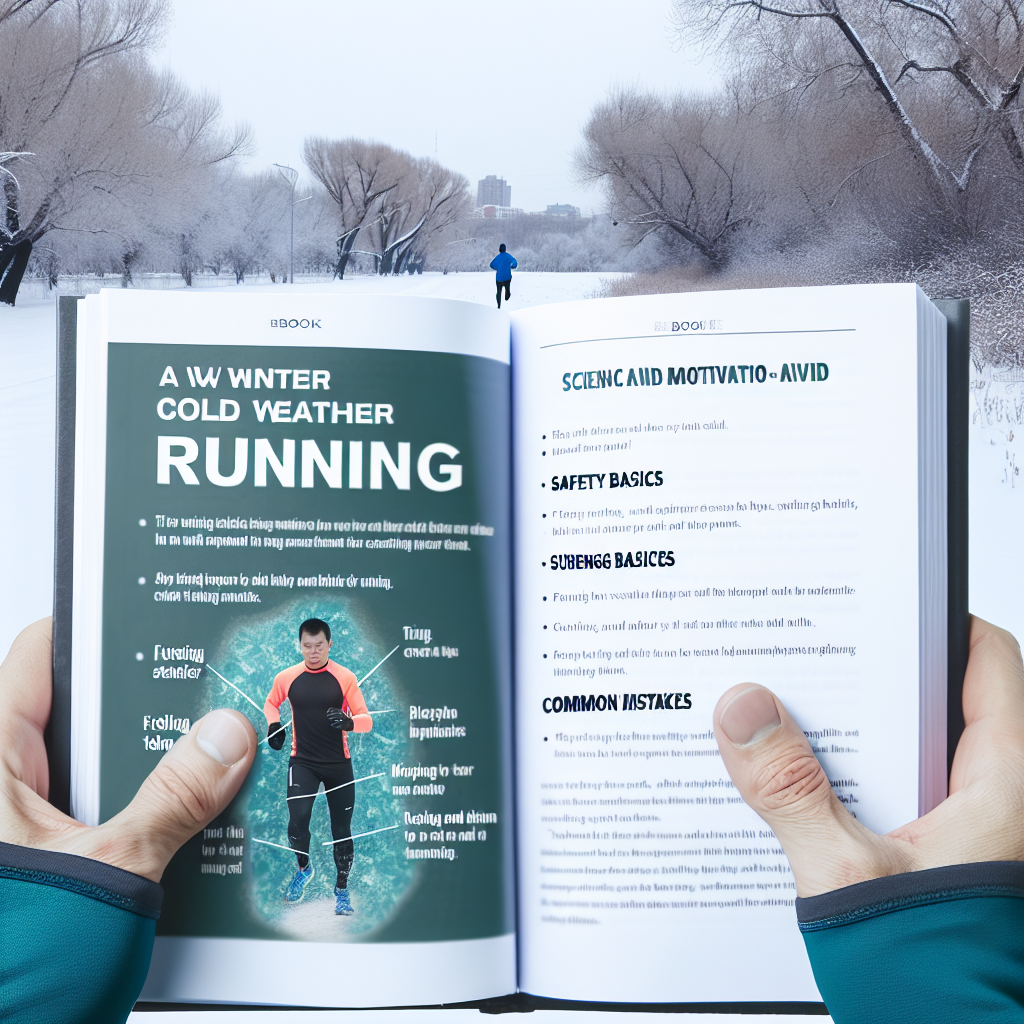
# Winter Miles, Big Wins: Your November Running Playbook for Safe, Confident Training
_By Jake Morrison — Vitality Chronicles_
November brings cooler temps, earlier sunsets, and a lot of runner questions: what to wear, how to stay safe in the dark, and how to keep momentum when life gets busy. This guide breaks the science, the practical how-to, and the motivational tweaks that make winter training realistic, sustainable, and actually fun.
## The science: why training in the cold helps
Cold-weather training isn’t just gritty storytelling — it confers real physiological and psychological benefits.
– Aerobic maintenance: Regular steady-state runs preserve mitochondrial activity and capillary density. That means you hold fitness through the off-season so spring progress is easier.
– Thermogenic efficiency: Running in cooler temps trains your body to regulate heat more efficiently, which can translate to perceived effort improvements when it warms up.
– Mental toughness and self-efficacy: Completing a run in less-than-perfect conditions increases confidence. That boost in perceived capability often leads to better consistency and higher training adherence.
Practical takeaway: you don’t need long or hard sessions to gain these benefits. Consistency with moderate-intensity runs delivers most of the protective and psychological effects.
## Practical application: gear, safety, and fueling
Layering and materials
– Base layer: moisture-wicking (merino or technical synthetic) to keep skin dry.
– Mid layer: lightweight fleece for insulation.
– Outer layer: windproof, water-resistant shell if conditions demand.
Rule of thumb:
– Mild cool (40–50°F / 4–10°C): lightweight long sleeve + shorts/tights; light gloves.
– Chilly (20–40°F / -6–4°C): base + long sleeve, regular tights, midweight socks, gloves.
– Cold (below 20°F / -6°C): base + mid-layer + wind jacket, thermal tights, insulated gloves, hat, face protection.
Footwear and footing
– Road shoes work for cleared streets. For packed snow choose trail shoes with aggressive lugs.
– For ice, add traction devices (e.g., Yaktrax) or studded shoes.
– Adjust stride: shorten your step, increase cadence slightly, and land under your center of gravity to reduce slipping risk.
Visibility and safety
– Use a headlamp when light is low and add reflective outerwear.
– Keep your phone close to your core (battery stays warmer) and plan routes near warm checkpoints.
– Start into the wind so you finish with a tailwind feeling warmer.
Hydration and fueling
– You still sweat in cold, dry air. Bring fluids on longer runs; keep bottles insulated or tucked under a layer.
– Gels can freeze — store them inside a mitten or near your chest.
– For runs under 45 minutes, a light snack 30–60 minutes before is usually enough unless you’re doing intervals or tempo work.
## Exercise & technique breakdown: warm-ups, form, and strength
Dynamic warm-up (5–8 minutes indoors or at the start of your run)
– Leg swings (front/back and side-to-side): 8–10 each side.
– Walking lunges with torso twist: 8–10 steps.
– High knees or butt kicks (easy cadence) for 30–45 seconds.
Running form cues for cold conditions
– Shorter stride, higher cadence (aim +5–10% above your easy cadence).
– Land with foot beneath your center of mass to improve balance.
– Keep arms relaxed and elbows at ~90°; avoid excessive shoulder tension which wastes heat and energy.
Strength moves to complement winter miles (2–3x/week)
– Single-leg Romanian deadlift (RDL): 8–10 reps per side. Focus on hip hinge and neutral spine. Modification: reduce range of motion.
– Glute bridge or single-leg bridge: 10–15 reps. Cue: push through the heel, squeeze glutes at top.
– Calf raises (double then single): 12–15 reps. Slow eccentric descent to build resilience for slippery push-offs.
– Plank variations: 30–60 seconds. Maintain a neutral spine and avoid sagging hips.
Why these matter: stronger glutes, hamstrings, and core improve stability on uneven winter surfaces and reduce injury risk.
## Common mistakes & how to avoid them
– Overdressing: If you sweat heavily, you’ll overheat. Start slightly cool and let your warm-up take care of the rest.
– Ignoring traction: A great shoe can’t fix an icy route. Invest in traction devices or choose a safer route.
– Skipping the warm-up: Cold muscles are less elastic — an active warm-up reduces strain and injury risk.
– Neglecting sleep and recovery: Shorter daylight can disrupt circadian rhythm. Prioritize consistent bedtimes and light exposure in the morning.
Quick coaching cues: keep cadence up, shorten the stride, maintain upright posture, and land softly.
## Motivation, community, and celebrating wins
Use community resources — forums, local running groups, or social threads — but ask specific questions (location, pace, goal) so you get targeted advice. Share small wins publicly: a consistent streak, a faster 5K, or finishing a rainy run. Recognition builds habit.
Keep celebrations simple: a warm coffee, a stretching routine you enjoy, or a non-food reward like new socks. Celebrate capability — what your body did — not how it looks.
## Race-day and taper notes (if you’re aiming for a fall marathon)
– Taper: reduce volume but keep some race-pace feel sessions.
– Nutrition rehearsal: practice gels and fluids in training under similar temperatures.
– Logistics: plan meeting spots and transport ahead of time; crowds and limited cell reception make reunions tricky.
## Takeaway and next steps
November is about layering—literally and figuratively. Pair simple gear habits with a few strength moves and better form cues, and you’ll keep fitness steady while building confidence. Small, consistent wins add up more than occasional heroic runs.
What’s one small winter running habit you can try this week — a new layer, a 5-minute warm-up, or a single strength move — that will make your runs safer and more enjoyable?