

Move With Confidence: A Practical Guide to Getting More Mobile — Safely
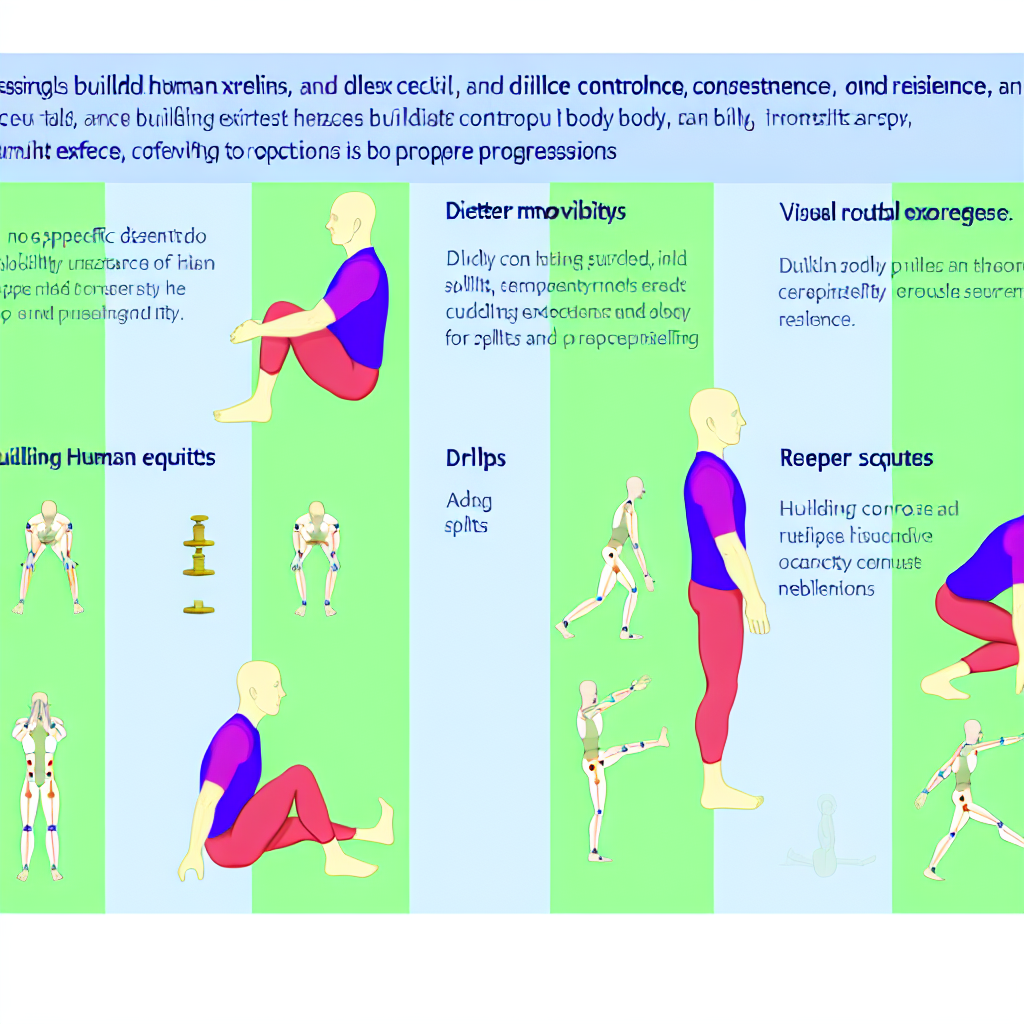
# Move With Confidence: A Practical Guide to Getting More Mobile — Safely
If you want deeper squats, a cleaner split, or a more expressive upper back for posing, you’re not alone. Mobility goals are common, especially for busy millennials juggling workouts, desk jobs, and social lives. The trick isn’t stretching harder — it’s stretching smarter. Whether you’re naturally bendy, battling hyperextended knees, or stuck a few inches from your goal, this guide gives evidence-informed, practical steps to help you progress without trading flexibility for joint pain.
## The quick science: why frequency and control beat drama
Two things drive lasting mobility: tissue adaptation and motor learning. Muscles, tendons, and connective tissue respond to repeated, moderate loading by changing length and tolerance over weeks. The nervous system learns new movement patterns through frequent practice — think practicing a skill, not punishing a limb.
What the research and clinicians say in plain terms:
– Short, regular sessions (5–15 minutes daily) create steady stimulus for tissues and reinforce safe movement patterns.
– One focused session every other day (15–30 minutes) lets you work deeper without wrecking recovery.
– Passive stretching to end-range feels dramatic but can leave joints relying on ligamentous support. Active control + strength is protective and functional.
Practical result: aim for consistency first, intensity second.
## Start with a sensible foundation
Daily warmups: keep it simple. Spend 5–15 minutes each day on:
– Gentle dynamic movements (leg swings, arm circles, slow squats to parallel). Focus on control and breathing.
– A mobility drill for your priority: hamstrings, hip flexors, thoracic rotation, or ankle dorsiflexion.
Focused sessions (every other day, 15–30 minutes):
– Start with a dynamic warm-up.
– Do 2–4 targeted drills with 2–4 sets each (see sections below).
– Finish with a 1–2 minute active cooldown (light glute bridges, scapular retractions).
Tip: log one short note each session (what moved better, what hurt). Tracking beats guessing.
## Protect hypermobile or hyperextended joints
Hypermobile joints can look flexible but often lack control. If your knees hyperextend or you’ve got a ligament injury history, prioritize strength and control over passive range.
What to do:
– Avoid passive end-range positions that rely on ligaments (eg. fully locked knees while standing).
– Use active flexibility: contract the muscle you want to control as you move into its range (e.g., actively extend the quad during a controlled hamstring stretch).
– Build strength: single-leg balance, slow eccentrics (e.g., slow single-leg Romanian deadlifts), and isometric holds for quads, glutes, hamstrings, and calves.
– See a physio if you have pain or recurrent instability — sharp pain is a red flag.
Form cue: when in doubt, soften the knee or elbow slightly and maintain muscular tension rather than chilling in a ligamentous lock.
## Thoracic mobility and upper-back control
A stiff thoracic spine limits rotation, chest lift, and aesthetic posing. Improve mobility but pair it with activation so you actually use the new range.
Easy drills (3–4x/week):
– Foam-roller thoracic extensions: 8–10 slow reps. Cue: lead with the chest, keep chin tucked slightly, breathe into the ribs.
– Thread-the-needle (threaded shoulder rotation): 6–10 reps per side. Cue: move from the thoracic, not the lower back.
– Open-book or seated trunk rotations: 8–12 per side. Keep hips stable; rotate through mid-back.
– Active pec stretch + scapular retractions: 8–12 reps. After a pec stretch, actively squeeze the shoulder blades together to train the upper-back.
Common mistakes: forcing rotation from the lumbar spine, shrugging the shoulders, or holding breath. Breathe, bracket the movement with scapular control, and progress slowly.
Pair these with upper-back strength: rows, face pulls, and Y-T raises help you hold an upright chest without cranking the lower back.
## Fixing anterior pelvic tilt (APT) and ankle limits
APT and poor ankle dorsiflexion often show up together and block squat depth or split alignment.
Action plan:
– Hip flexors: half-kneeling/couch stretch, 2–3 sets of 30–60 seconds. Cue: tuck the pelvis slightly and pull the ribcage down to avoid overarching the low back.
– Posterior chain strength: glute bridges, single-leg Romanian deadlifts, hip thrusts 2–3x/week. Cue: push through the heel, feel the glute contract at the top.
– Ankle dorsiflexion: knee-to-wall mobilizations, 10–15 reps per side daily. Move the knee forward without lifting the heel; gradually increase distance.
– Hip control: banded internal/external rotations and clamshells for 2–3 sets of 12–15 reps.
Keep a neutral spine when possible. If squats still cause lumbar compensation, reduce depth and address ankle or hip restrictions first.
## Progressing toward splits (without overdoing it)
If you’re a few inches from the floor, tiny, consistent wins unlock major progress.
Programming:
– Daily: 10–15 minutes of gentle loaded or active stretching (half-splits, lunge variations). Keep the front ankle dorsiflexed to engage the tibialis.
– Every other day: 15–30 minute deeper session with a dynamic warm-up followed by supported loaded stretches (light weight on the hips for a front split or prolonged half-splits with active foot control).
– Finish with PNF contract-relax: 5–7 seconds of gentle contraction of the target muscle, then relax and sink a bit deeper — repeat 2–3 times.
Strength through range: end-range isometrics and single-leg strength work help you control the split position rather than collapse into it.
Safety cue: never chase pain. Mild tension is okay; sharp groin or joint pain is not.
## Rest, recovery, and realistic expectations
If intense sessions require 3–4 days to recover, scale back intensity and increase frequency instead. Mobility improves faster with consistent low-level stimulus.
Support your work with sleep, hydration, and protein — tissues remodel at rest. If you’re stressed and underslept, mobility gains will stall.
## When to see a pro
Get help if you have sharp, persistent pain (neck, shoulder, back, groin, knee, ankle) or a history of major injuries. A physical therapist can help you balance mobility goals with joint safety and design a modification plan.
## Final takeaway — control over range
Mobility isn’t just how far you can stretch — it’s how well you control and use that range. Prioritize consistent, focused practice; pair mobility with strength; protect hypermobile joints by avoiding passive end-range positions; and progress patiently. Celebrate small wins — that extra degree of ankle dorsiflexion or a slightly deeper twist — because those are the building blocks of lasting change.
What one small mobility habit will you try for the next two weeks to move with more confidence?