

Tap Pause: A Practical 30-Day Meditation Roadmap for Better Focus, Less Anxiety, and a Calmer Gut
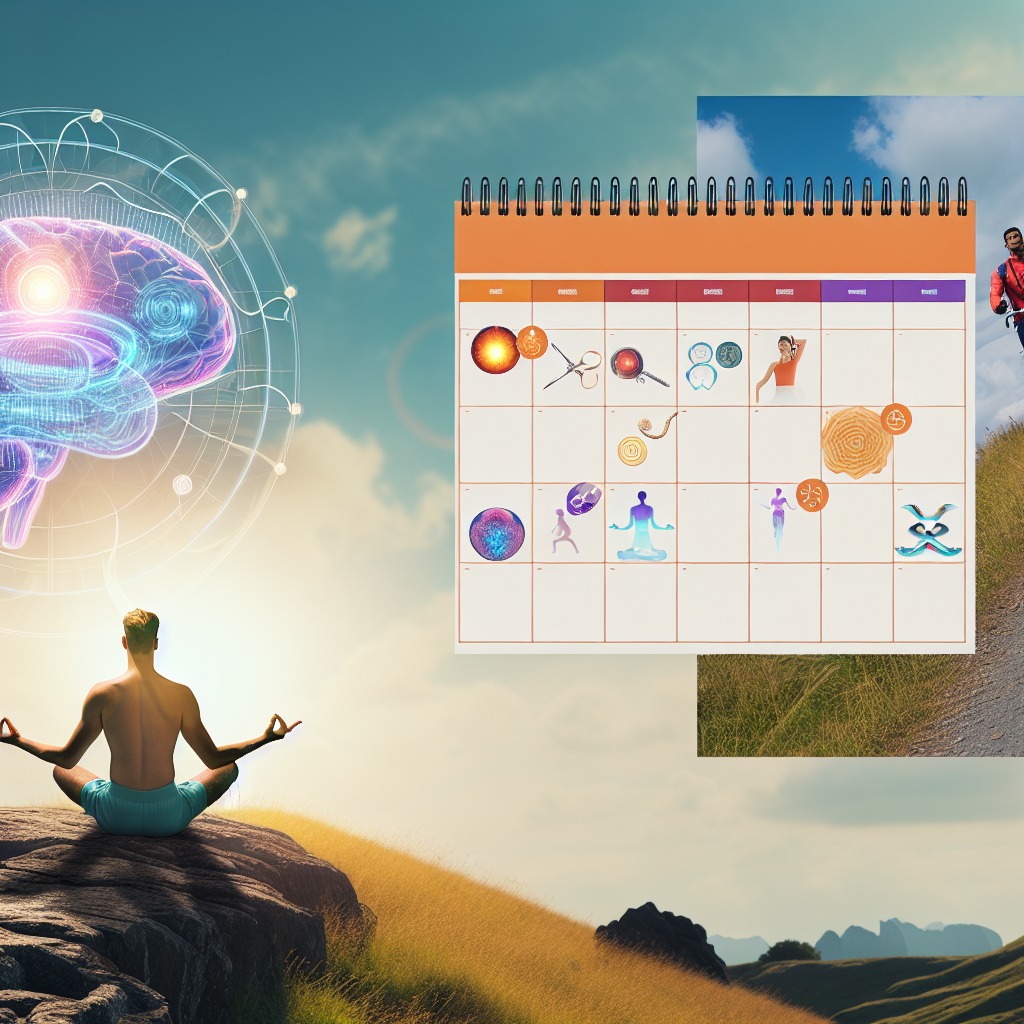
# Tap Pause: A Practical 30-Day Meditation Roadmap for Better Focus, Less Anxiety, and a Calmer Gut
By Jake Morrison
If your instinct during a lull is to reach for a podcast, playlist, or the never-ending scroll, you’re doing what a lot of us do: avoiding silence because it feels like wasted time or because the mind gets loud. I want to flip that script. Meditation isn’t a performance — it’s a tool to meet stress differently so your training, focus, and digestion actually get a break. Below I break down the science, give you a realistic 30-day plan, and walk through simple techniques you can use between sets, after meals, or as a recovery habit.
## Why this matters — the science in plain terms
Stress lights up the sympathetic nervous system (fight-or-flight). That’s great for an urgent sprint or one-rep max attempt, but chronic activation interferes with attention, inflames the body, and sends mixed signals to the gut. The parasympathetic system (rest-and-digest) counterbalances that — and breathing, relaxation, and vagal stimulation help flip the switch.
Research shows consistent meditation reduces anxiety, sharpens attention, and supports emotional regulation. For people with stress-sensitive guts (IBS, GERD, histamine issues), calming the nervous system can mean fewer flare-ups. Mechanistically: slow diaphragmatic breathing stimulates the vagus nerve, increases parasympathetic tone, and can lower inflammatory markers. Practically: people often notice a shift in mood and digestion within days; more reliable change appears with weeks of steady practice.
## A realistic 30-day roadmap (doable, measurable, repeatable)
Pick a days-per-week target and be specific about session length. Micro-sessions win.
– Weeks 1–2: 5–7 minutes per day, 5 days per week. Think of these as micro-breaks you can tuck into a workday or between training blocks.
– Weeks 3–4: 10–15 minutes per day, 5–6 days per week. Add one 20-minute session on the weekend — use it for a longer body scan or guided practice.
– After 30 days: aim for a sustainable rhythm — perhaps 15–20 minutes most days, or two 20-minute sessions per week plus short daily check-ins.
Track your days (a simple checklist works). Celebrate a streak of five days. Missed a day? Notice it without judgment and get back to it. Consistency beats perfection.
## Simple techniques that actually work (and how to pair them with fitness)
You don’t need an app subscription or spiritual retreat. Use these anchors:
– Diaphragmatic (belly) breathing
– Technique: sit or lie comfortably. Inhale into the belly for 4–5 seconds (feel ribs expand), exhale for 5–6 seconds. Keep the chest relatively quiet.
– When to use: post-workout cool-down to encourage recovery, or after meals when gut symptoms spike. Two 5–10 minute breathing sessions daily can make a big impact.
– Body scan
– Technique: slow sweep from toes to head. Name sensations (warm, tight, heavy) without trying to change them.
– When to use: before bed to improve sleep, or after mobility work to tune into which tissues need attention.
– Labeling thoughts
– Technique: when a thought appears, label it (“planning,” “worry,” “to-do”) and return to the breath. Short and simple.
– When to use: pre-workout to clear busy thoughts and focus on the session plan, or during work to prevent rumination.
– Guided meditations
– Use short guided sessions when silence feels intimidating — think of them as training wheels. Swap to unguided once you feel steadier.
## Practical application for fitness goals and recovery
– Focus and performance: Use 3–5 minutes of breath work before strength sessions to lower baseline heart rate and sharpen focus. That calm attention helps you hit technique cues.
– Recovery: End a hard session with 5 minutes of belly breathing to engage parasympathetic recovery and support digestion.
– Weight management and cravings: Mindfulness reduces impulsive eating by creating a pause between urge and action. Label the urge, breathe for 30–60 seconds, then decide.
– Movement integration: Combine meditation with gentle mobility — a short body scan followed by 5–10 minutes of slow foam rolling or hip opening creates a restorative window for both nervous system and tissues.
## Common mistakes and quick fixes
– Mistake: trying to make the mind blank. Fix: aim for noticing, not erasing. Every time you notice a thought, you’ve trained attention.
– Mistake: long, infrequent sessions. Fix: shorter, consistent practice beats infrequent marathon sessions.
– Mistake: chasing a particular sensation (like needing to feel “calm”). Fix: notice sensations without attaching value.
– Mistake: meditating only when stressed. Fix: build it into neutral or good days — that’s where habit forms.
Coaching cues for form: sit with a straight spine (support with a cushion if needed), soften the jaw, relax shoulders away from ears, and let the breath move the belly. If sitting isn’t comfortable, lie on your back or try seated in a chair with feet flat.
## Design your environment and social support
Small environmental changes make a big difference. Put your phone on Do Not Disturb, choose a consistent seat or corner, add a timer with a gentle bell, and keep a light blanket nearby if you get cold. For accountability: find a buddy, join a local class, or use an online community. Post your commitment — “I’ll meditate five days a week for 7 minutes” — and invite a check-in. Social nudges make habits stick.
## For people with digestive issues — targeted tips
– Do belly breathing after meals for 3–5 minutes to engage the parasympathetic response when digestion needs support.
– Keep a simple symptom log alongside your meditation tracker to notice trends (time of day, practices that help, flare triggers).
– Pair meditation with sleep hygiene, gentle movement, and clinician guidance — meditation complements medical care; it doesn’t replace it.
## A compassionate, athlete-minded invitation
Meditation won’t erase all stress overnight, and it’s not a magic pill. But like a sensible training block, it’s a repeatable stimulus that reshapes how you respond to load. Start small, protect the time, track it like a session, and celebrate progress. Over weeks those tiny pauses become an actual resource: clearer thinking, less reactivity, and often calmer digestion.
You don’t have to be perfect — just show up consistently. Think of each short session as a set for your nervous system.
What one small meditation you’ll commit to this week — and when will you press play (or close your eyes) to get it done?