

Winter Miles, Bright Wins: How to Run Safely, Smartly, and Joyfully This Season
# Winter Miles, Bright Wins: How to Run Safely, Smartly, and Joyfully This Season
_As the days shorten and temperatures dip, it’s tempting to let running hibernate. But winter can level up your fitness if you run with a little science, sensible gear, and consistent mindset work._ — Jake Morrison
## Energetic hook
If you’ve ever turned away from a frosty doorway and told yourself, “I’ll start again in spring,” you’re not alone. The truth? Those winter miles pay dividends. They build aerobic fitness, mental grit, and make spring races feel easier. Let’s look at why that happens, how to do it safely, and how to keep the joy in your training.
## The science: why winter running pays off
– Cold air increases metabolic demand. Your body expends extra energy to maintain core temperature, so the same run can feel more challenging and stimulate adaptations in cardio-respiratory fitness.
– Consistency preserves aerobic base. Even reduced mileage through winter maintains mitochondrial density and capillary efficiency — the physiological plumbing that powers longer, faster runs.
– Psychological benefit: habit persistence. Showing up during inconvenient weather strengthens discipline and self-efficacy, which improves long-term adherence.
In short: winter training is not wasted — it’s resilience-building.
## Practical application: what to do differently (and why)
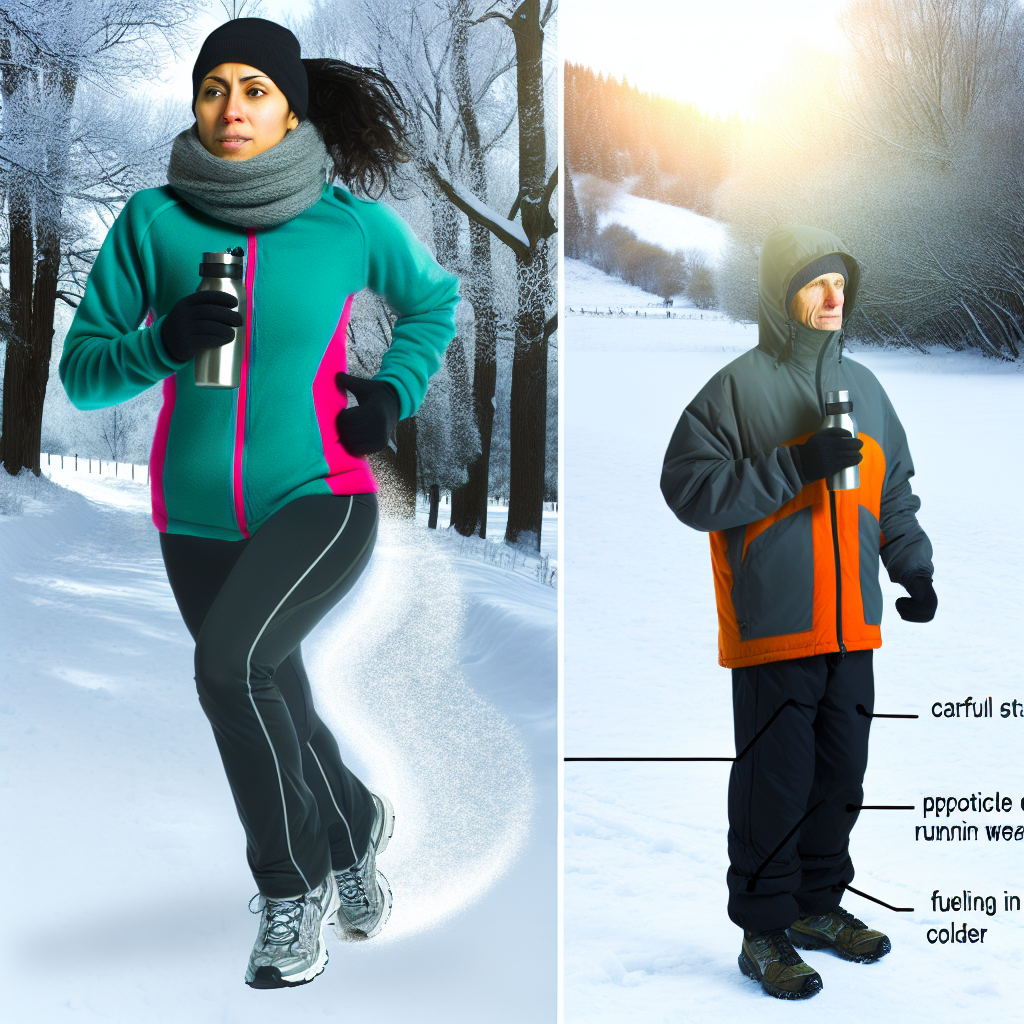
### 1) Dress for success: layers, breathability, and trapped air
– Base layer: moisture-wicking synthetic or merino to move sweat away. Damp skin chills you.
– Mid layer: fleece or synthetic insulation for trapped air (your best passive heater).
– Shell: windproof if it’s gusty; waterproof if it’s wet.
Coaching cue: dress as if it’s 10–20°F warmer than actual temp for your starting pace. Faster paces generate heat; slower runs need an extra layer.
Common mistake: overdressing. Too many tight layers compress insulating air and reduce circulation. Aim for comfort in the first 10 minutes — you’ll warm up.
### 2) Footwear and traction: shoes + technique
– Use road shoes for cleared paths; trail shoes or microspikes for fresh snow/ice.
– Grip matters, but so does technique: shorten your stride, keep feet under your center of mass, and increase cadence to quick, light steps.
Form drill: 30-second cadence bursts where you aim for a quick turnover (170–180 steps/minute is a common target for safer, shorter ground contact). This reduces slipping risk.
Modification: if balance is a concern, use trekking poles for stability or run with a partner.
### 3) Safety basics: visibility, windchill, and route planning
– Use a headlamp and reflective gear for dark runs.
– Start facing into the wind so you finish with a tailwind — you’ll avoid ending chilled and vulnerable.
– Respect windchill guidance. If it’s extreme, shorten the run or move indoors to a treadmill or bootcamp.
Phone tip: keep electronics close to your body to preserve battery life in cold conditions.
### 4) Hydration & fueling in cold weather
– You still sweat in cold air. Schedule sips every 15–20 minutes on long runs.
– Use insulated bottles or tuck fluids inside layers to prevent freezing.
– Warm gels in a mitten before eating; chewable fuel can solidify — plan accordingly.
Practical cue: set an alarm on longer runs to remind you to drink and take a small snack.
## Technique & form breakdown (quick coaching cues)
– Posture: tall chest, slight forward lean from the ankles, not the waist.
– Foot strike: aim for midfoot under your hips. Avoid overstriding which increases slip risk.
– Arms: relaxed, elbows ~90 degrees, hands in front of pockets if it’s cold; don’t clamp your shoulders.
– Breathing: inhale through nose and mouth if needed — nose-only can be too restrictive in very cold air.
Common mistakes: bracing shoulders, shallow steps, and holding breath. Check posture at traffic lights — a quick reset goes a long way.
## Motivational strategy: community, small wins, and mindset
– Join local winter groups or virtual threads for encouragement and safety (running with others = safer + more fun).
– Celebrate micro-goals: consistent three runs a week, a new traction device, or a brisk 20-minute tempo.
– Track non-scale wins: improved mood, consistent sleep, or fewer missed workouts.
Jake tip: post a short after-run photo or note in a group chat. External accountability turns solitary miles into a communal achievement.
## Race-day lessons you can use now
From big-race threads (like NYC Marathon), common takeaways apply to everyday winter runs: layer to peel, plan warmth for the post-race period, and know when to accept a conservative pace. Practicing clothing decisions on training runs prevents surprises on big days.
## Quick checklist before you head out
– Layer smart: base, insulation, shell as needed.
– Protect extremities: hat, gloves/mittens, warm socks.
– Match footwear to surface; add traction for ice.
– Bring a light and wear reflective gear.
– Carry water and a small snack; keep electronics warm.
– Tell someone your route or pick loops with warm refuge options.
## Common pitfalls & simple fixes
– Pitfall: “I’ll just run harder to stay warm.” Fix: intensity spikes can lead to excess sweating and chills. Use layers and controlled pacing instead.
– Pitfall: ignoring short daylight. Fix: schedule runs when friends can join or choose well-lit routes.
– Pitfall: skipping recovery. Fix: prioritize stretching, foam rolling, and warm post-run layers to support recovery.
## Takeaway: steady, safe, and joyful
Winter running rewards planning more than bravery. Use the right layers, manage traction, fuel deliberately, and plug into community for motivation. The goal is sustainable progress — maintaining fitness, avoiding injury, and enjoying the process.
Which winter-running tweak will you try this week to make your miles safer, smarter, or more joyful?