

Feed Your Goals, Not the Hype: How to Ask for — and Give — Smart Nutrition Help Online
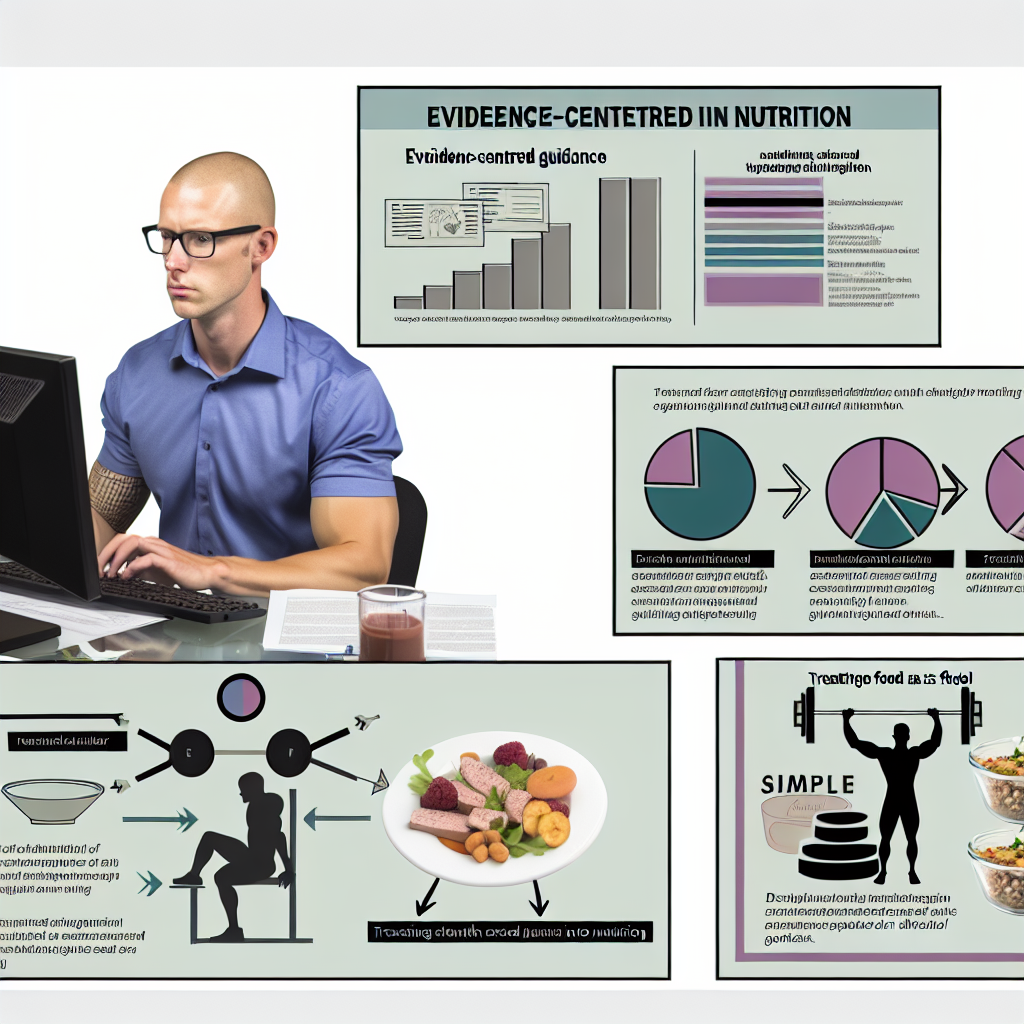
# Feed Your Goals, Not the Hype: How to Ask for — and Give — Smart Nutrition Help Online
We live in an era of endless food photos, bold diet claims, and well-meaning strangers ready with advice. That can be freeing—or overwhelming. If you want guidance that actually supports your health goals (without shame or shortcuts), the trick is simple: be specific, be evidence-minded, and treat nutrition as an individual puzzle, not a one-size-fits-all formula.
Below I break down why careful nutrition advice matters, how to ask for help online so you actually get useful responses, how to give advice that helps, three everyday meals you can tune to your goals, and practical ways to pair food with simple strength work. Let’s make nutrition actionable and sustainable.
## Why careful nutrition advice matters
What works for one person may be harmful or useless for another. Energy needs, medical conditions, age, body composition, and day-to-day activity all shape what “healthy” looks like. A collegiate athlete’s plate will look very different from someone managing blood sugar or trying to regain weight after illness. Vague or prescriptive advice leads to frustration — and sometimes worse: nutrient gaps, performance stalls, or medical complications.
If you want reliable help, prioritize recommendations grounded in current science and delivered by qualified professionals. Evidence-based guidance usually involves testing (bloodwork, body composition, performance markers), tracking over time, and a look at medical and dietary history. Viral trends are tempting; let them inspire you, but don’t let them replace informed planning.
## How to ask for advice — the right way
If you post a question or DM someone for help, include these essentials to get useful, safe feedback:
– Age, sex, height, weight (or a sense of body composition), and activity level.
– Clear goals: weight loss, muscle gain, improved labs, energy, symptom relief, or performance targets.
– Your current eating pattern and typical meals — not just a single photo.
– Any diagnoses, medications, allergies, or food intolerances.
– What you’ve already tried and for how long.
Be precise about portions and ingredients when possible; avoid vague statements like “I eat healthy.” That context helps responders tailor suggestions instead of guessing.
## How to give advice — be kind, clear, and evidence-based
When offering help, aim to educate, not judge. A useful reply:
– Asks clarifying questions before making claims.
– Points to reputable sources or suggests talking with an accredited clinician (registered dietitian, sports dietitian, endocrinologist).
– Avoids absolutes — there’s rarely an “always” or “never” in nutrition.
– Respects culture, budget, and personal preference.
Don’t weaponize a single social media clip as evidence. Prioritize peer-reviewed studies, clinical guidelines, and professional consensus.
## Three approachable meals and how to tune them
Meals can be both satisfying and functional. Below are three examples and ways to adapt them to common goals.
1) Grilled chicken with corn salad
Why it works: Lean protein from chicken supports muscle repair and satiety. Corn and fresh veggies add fiber, vitamins, and enjoyable texture.
Tuning tips:
– For more calories or athletic fueling: add a whole grain like farro or a diced sweet potato, and a drizzle of olive oil for extra calories.
– For lower carbs or blood sugar control: increase non-starchy veggies (grilled zucchini, bell pepper) and add a leafy salad base.
– To boost micronutrients: mix in cilantro, lime, or a handful of pumpkin seeds for zinc and magnesium.
2) Smashed avocado toast + a fruit smoothie
Why it works: Avocado delivers monounsaturated fats and fiber; paired with whole-grain toast it’s balanced. A fruit-and-yogurt smoothie contributes vitamins and hydration.
Tuning tips:
– Need more morning protein: top toast with a soft-boiled egg, smoked salmon, or cottage cheese; add protein powder or Greek yogurt to the smoothie.
– Watching sugar: favor berries, include greens like spinach, and add fat or protein to slow absorption.
– Portable option: thicken the smoothie and carry a boiled egg or single-serve nut butter for protein.
3) Seared duck breast with creamy polenta and marinated veg
Why it works: Balances rich protein and fats with comforting carbs and tangy vegetables for palate balance.
Tuning tips:
– Heart-health conscious: enjoy duck in moderation and bulk up the plate with braised greens or roasted Brussels sprouts.
– Reduce saturated fat: prepare polenta with olive oil and broth instead of large amounts of butter or cream.
– Mindful treat: savor smaller portions of richer elements and fill most of your plate with vegetables.
## Pairing food with simple strength work (technique + fueling)
I coach athletes and everyday people: the best results come when good movement meets sensible nutrition. Here are three basic movements, common mistakes, and simple fueling cues.
1) Squat (bodyweight or goblet)
– Focus: sit your hips back, keep knees tracking over toes, chest up, neutral spine.
– Common mistake: knees caving in or weight shifting too far forward.
– Modification: use a chair to squat to, or hold a kettlebell in front (goblet) for better posture.
– Fueling cue: a carb+protein snack 30–90 minutes before (banana + Greek yogurt) helps performance for higher-rep sets.
2) Hinge (Romanian deadlift / kettlebell swing)
– Focus: move from the hips, maintain a soft knee, long spine, and feel a stretch in the hamstrings.
– Common mistake: rounding the back or leading with the knees.
– Modification: start with light kettlebell deadlifts and practice hip pushbacks.
– Fueling cue: post-workout protein (20–30 g) within a couple hours supports recovery; pair with some carbs if you trained hard.
3) Push-up (incline to full)
– Focus: keep a straight line from head to heels, core braced, elbows at ~45 degrees.
– Common mistake: sagging hips or flared elbows.
– Modification: incline push-ups on a bench or wall push-ups to build strength.
– Fueling cue: overall daily protein intake matters more than exact timing — aim for consistent protein across meals to support strength gains.
Nutrition specifics: aim for 1.2–2.0 g protein/kg/day when building muscle (individual needs vary), prioritize whole foods, and hydrate. If performance is your goal, carbohydrates before training and a protein-containing meal afterwards are helpful.
## Common mistakes & quick tips
– Chasing single nutrients or the latest supplement without context — focus on whole meals first.
– Comparing Instagram feeds — you’re seeing highlights, not the daily grind or lab results.
– Ignoring symptoms — persistent fatigue, digestive issues, or unexplained weight changes deserve a clinician’s look.
– Treating nutrition as all-or-nothing — small, consistent improvements beat radical short-term plans.
## A final word: Test, track, and adapt
Nutrition is iterative. Start with a clear goal, try practical changes, and measure results — energy, sleep, mood, performance, and clinical markers. If you’re unsure, find an accredited professional who will work with your labs and history rather than offering blanket solutions. Track what matters to you: strength increases, how your clothes fit, energy during the day — not just a number on a scale.
Takeaway: Good nutrition advice is personalized, science-informed, and compassionate. When asking or giving help online, share context, avoid absolutes, and defer to qualified clinicians for medical matters. With thoughtful questions and simple meal adaptations, you can build a sustainable plan that fits your life — not someone else’s highlight reel.
What’s one small nutrition or strength move you can try this week to move toward your goals — and how will you measure whether it worked?