

Run Through the Chill: Practical Winter Running Tips, Community Wins, and Staying Connected
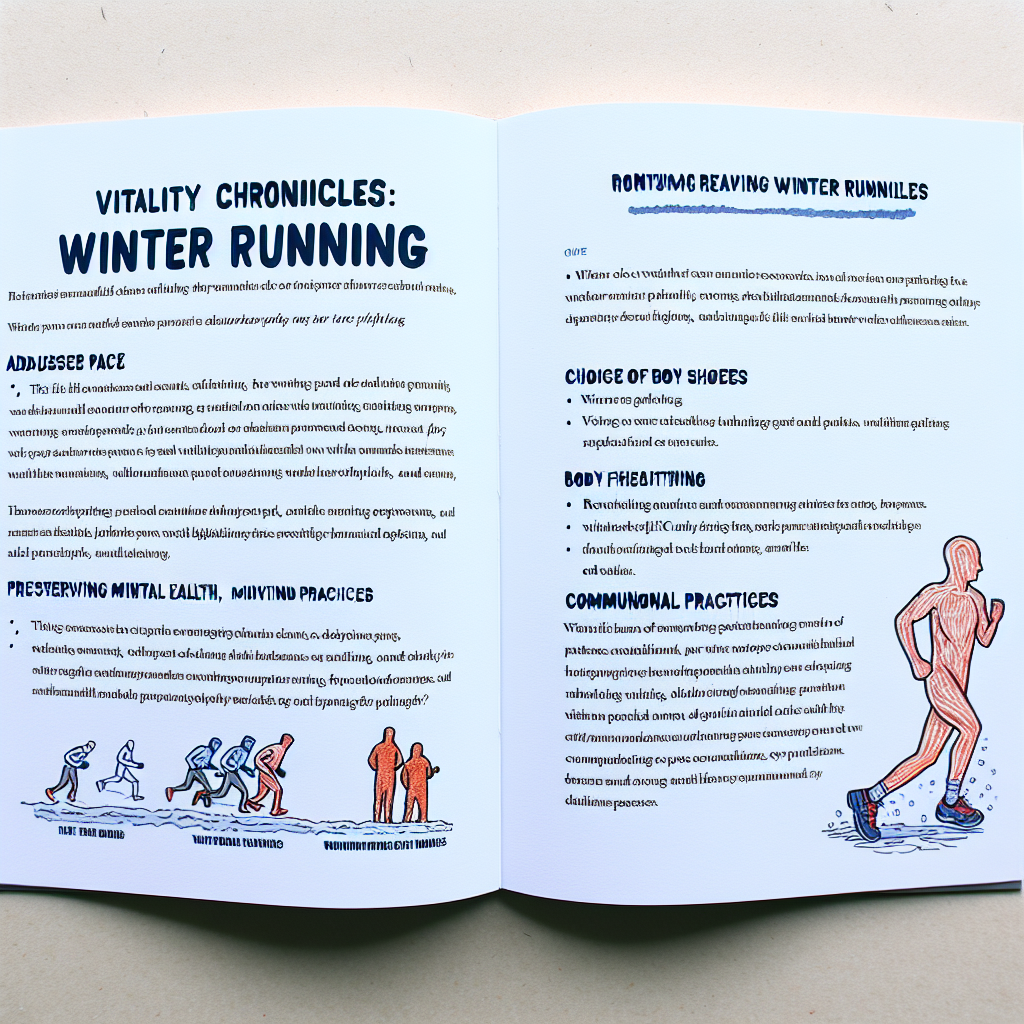
# Run Through the Chill: Practical Winter Running Tips, Community Wins, and Staying Connected
_By Jake Morrison — Vitality Chronicles_
Winter doesn’t have to mean hibernation. I still remember the first frosty morning I dragged myself outside after a week of couch temptation — ten minutes in, the sky opened up, and that quiet, sharp air flipped a stubborn mood into a focused, satisfied one. Cold-weather running offers real physiological and mental benefits, but it does require a few smart, realistic adjustments.
Below I break down the science behind why winter running works, how to apply it practically (layering, traction, hydration, and form), and the community habits that keep you motivated when it’s dark and cold.
## The science: what your body does in the cold (and how to use it)
– Thermoregulation: In cold air, your body narrows surface blood vessels (vasoconstriction) to preserve heat. That makes your core temperature easier to protect but increases the risk of numb fingers, toes, and slower muscle function if you’re underdressed.
– Heat production: Running generates heat through muscle activity. Faster paces make you warmer faster, which is why you often need fewer layers for speedwork than for an easy jog.
– Metabolism and breathing: Cold increases metabolic rate slightly (you burn a bit more energy), while breathing cold, dry air can increase fluid loss through respiration. That means hydration still matters even if you don’t sweat visibly.
Practical takeaway: Dress so you start slightly cool and can shed a layer as you warm up. Plan pace around temperature and traction — don’t push close to your max when surfaces are uncertain.
## Layering: the no-nonsense guide
Layering isn’t fashion — it’s a system.
– Base layer: breathable, moisture-wicking fabric next to skin (no cotton). This moves sweat away so you don’t chill post-run.
– Mid layer: insulating but breathable (light fleece or synthetic) for moderate cold.
– Outer layer: a wind-resistant shell for very cold or windy runs.
Quick starts:
– Mild (~0–10°C / 30–50°F): long-sleeve base, light tights or shorts, single sock layer, light gloves, headband.
– Moderate (~-6–0°C / 20–30°F): base + long sleeve, midweight tights, mid socks, gloves, hat/gaiter.
– Very cold (<-6°C / 20°F): insulating mid-layer, wind shell, thermal tights (or tights + wind shorts), double socks, heavy gloves/mittens, balaclava and eye protection.
Adjust by pace: interval work = less insulation; slow recovery = more. Bring a stash (ziplock or small dry bag) to drop layers at home or a warm spot.
## Footwear, traction, and running form for winter surfaces
- Shoes: road shoes for cleared pavement, trail shoes with deeper lugs for soft/packed snow. If there's ice, add microspikes or Yaktrax.
- Traction hack: rigid studs or screws are emergency options but buy a traction device when you can.
Form cues for slippery conditions:
- Shorten your stride to keep your center of mass over the base of support.
- Focus on midfoot strikes beneath your hips rather than overstriding heels.
- Keep a slight forward lean from the ankles, not the waist — this helps balance without braking.
- Use quick, light steps instead of long, slow strides; this reduces slip risk and gives you faster corrective response.
Common mistakes: stiffening up (which reduces balance), looking down constantly (affects posture and step rhythm), and braking on corners. Practice controlled turns and pick a safe tempo.
## Hydration, fueling, and keeping gels usable
- Hydrate regularly: pre-hydrate and take small sips rather than large gulps.
- Protect fluids: insulated bottles or tuck reservoirs under layers to avoid freezing.
- Keep gels/chews warm: store them in a mitten or against your chest until needed. Thaw briefly in your mouth if they’re firm.
Small, frequent calories and fluids work better than waiting until you’re depleted.
## Strength and mobility to stay resilient all winter
Winter amplifies imbalances — when footing is unpredictable, strong hips, ankles, and core save you.
Do these twice a week (2–3 sets each):
- Single-leg RDL (Romanian deadlift) — 8–12 reps per leg. Keep a soft bend in the standing knee, hinge from hips, and maintain a neutral spine. This builds hamstring strength and balance.
- Glute bridge — 12–20 reps. Drive through the heels, squeeze the glutes at the top, and avoid overarching the lower back.
- Calf raises — 12–20 reps, slow up/down. Strong calves help with quick adjustments on slick surfaces.
- Side plank with leg lift — 8–12 reps per side. Strengthens obliques and hip abductors for lateral stability.
Form notes: quality beats quantity. If balance is a challenge, use a wall for light support.
## Mental health, motivation, and community wins
Shorter days and time changes can sap energy. Try this combo:
- Schedule a consistent waking time and get light exposure in the morning (even 10–15 minutes helps reset the circadian rhythm).
- Pair runs with community commitments: a weekly group run, a virtual challenge, or a friend who expects a check-in. Accountability makes cold mornings easier.
- Celebrate micro-wins: first outdoor mile of the season, a quiet sunrise loop, maintaining a three-week streak. Log them in a notebook or community thread.
Community resources: read pinned FAQs in your local running group before posting; weekly open threads are great for quick gear questions and sharing short wins.
## Common pitfalls and quick fixes
- Pitfall: overdressing and sweating heavily. Fix: start cooler, have a layer to drop.
- Pitfall: ignoring traction. Fix: err on the side of safety — microspikes are inexpensive insurance.
- Pitfall: less visible hydration. Fix: habitize sips every 15–20 minutes on long runs.
## Takeaway
Cold-weather running is doable and rewarding with a few realistic habits: layer smart, protect hands/feet/eyes, adjust form for traction, keep fluids and calories accessible, do two weekly strength sessions, and lean on a community for accountability and encouragement. Most of the benefit comes from consistency, not explosive winter PRs.
What small, realistic change will you try this week to make winter running easier — a piece of gear, a strength move, or a community check-in?