

Eat Well, Ask Smart: How to Turn Healthy Food Pics and Hot Takes into Real, Lasting Nutrition Wins
# Eat Well, Ask Smart: How to Turn Healthy Food Pics and Hot Takes into Real, Lasting Nutrition Wins
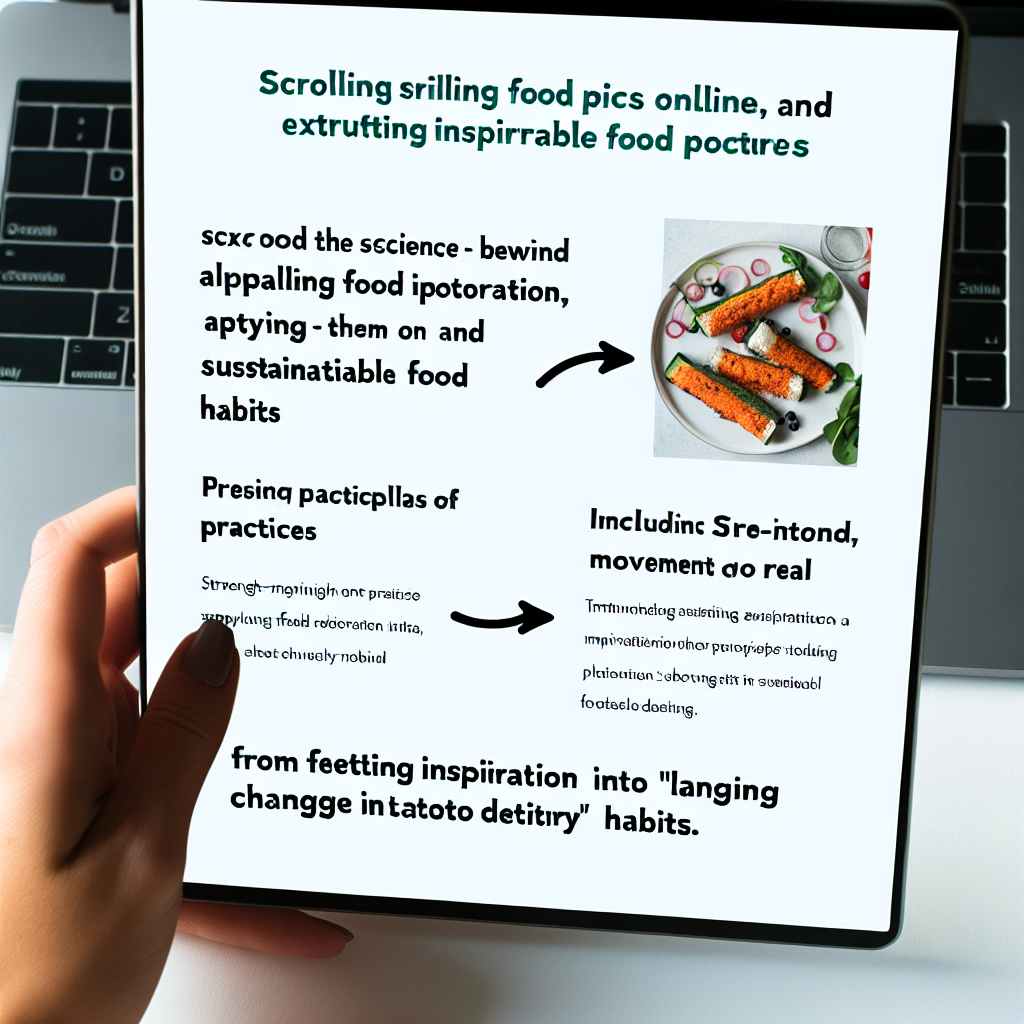
We’ve all been there: a glossy plate flashes across your feed and you feel a jolt of “I want that.” It’s exciting and a little confusing. Is that meal actually balanced? Will swapping avocado for butter move the needle on your goals? Social media and community forums are brilliant idea generators, but they aren’t one-size-fits-all diet plans. This guide helps you read the photo, decode the hot take, and turn both into real, safe nutrition wins that fit your life.
## Why online nutrition chatter helps — and when to be cautious
Community posts and recipe reels do something great: expand your flavor horizon and show what’s possible. Someone’s corn-and-tomato salad might inspire a new side dish; duck breast photos might convince you that indulgence can still be part of a healthy pattern.
But beware of rules delivered as absolutes. A single image doesn’t tell you portion size, ingredient quality, or how that meal fits into someone else’s calorie and macronutrient needs. Advice from uncredentialed sources can be oversimplified or risky if you have health conditions. Use online input as a start — not a prescription.
## The science in plain English: what makes a meal actually “healthy”?
A few nutritional principles are reliably evidence-based and easy to apply:
– Balance: combine protein + fiber-rich carbs + healthy fat. This trio supports steady energy, fullness, and blood sugar stability.
– Nutrient density: favor whole foods (veg, fruit, lean proteins, legumes, whole grains, nuts, seeds). These deliver more vitamins, minerals, and fiber per calorie than ultra-processed options.
– Portion awareness: even nutrient-dense foods have calories. Size matters — duck breast is flavorful and nutrient-rich but also higher in fat than grilled chicken, so portion accordingly.
– Prep matters: grilling, roasting, steaming, or pan-searing with modest oil retains nutrients better than deep-frying or drowning things in heavy cream.
– Context is king: your activity level, age, medications, and goals (performance, fat loss, blood glucose control) change what “best” looks like for you.
Biologically, that balance of macronutrients affects hormones like insulin and ghrelin (hungry/full signals), and fiber+protein slows digestion so you feel satisfied longer. Those mechanisms are why a plate with protein and fiber tends to prevent late-afternoon hunger and impulse snacking.
## Real-meal templates (and how to think about them)
Here are three community-style meals and the practical reasoning behind each:
– Grilled chicken + corn salad
– Why it works: lean protein for repair and satiety; corn and veggies provide fiber and slow-burning carbs.
– Tip: dress lightly with citrus and 1 tablespoon olive oil to add heart-healthy fats without overdoing calories.
– Smashed avocado toast + fruit smoothie
– Why it works: avocado supplies monounsaturated fat and fiber; whole-grain toast gives complex carbs. Smoothies are convenient but can be sugar-heavy.
– Tip: add a scoop of Greek yogurt, protein powder, or silken tofu to the smoothie, use one fist-sized fruit portion, and toss in spinach or oats to slow sugar absorption.
– Duck breast, polenta, marinated veg, yogurt-horseradish sauce
– Why it works: smaller portion of a richer protein paired with vegetables and a yogurt-based sauce keeps the plate balanced while allowing an indulgent flavor.
– Tip: bulk up with leafy greens and keep the polenta portion moderate. A tangy yogurt sauce adds protein and brightness without a heavy cream base.
## Quick exercise tie-in: food, fuel, and a simple strength move
Nutrition and movement work together. If you’re fueling for strength or daily energy, time and composition of meals matter.
Try: Goblet Squat (a beginner-friendly strength move)
– Why: Builds lower-body strength and helps with daily tasks (standing, climbing stairs) — a great complement to protein-rich meals that support muscle repair.
– How to do it:
– Stand feet hip-width to slightly wider, toes pointed slightly out.
– Hold a weight (dumbbell or kettlebell) at chest level, elbows pointing down.
– Hinge hips back, bend knees, keep chest up and spine neutral as you lower until thighs are parallel (or comfortably as low as your mobility allows).
– Press through heels to stand. 3 sets of 8–12 reps is a practical starting range.
– Common mistakes & fixes:
– Knees collapsing inward — cue: “push knees out toward your pinky toe.”
– Back rounding — cue: “lift chest, imagine a proud chest.”
– Too much forward weight — cue: “sit back as if you’re sitting on a chair.”
– Modifications: no weight needed for bodyweight squats; use a chair for box squats if mobility is limited.
Pair a post-workout balanced snack (protein + carb) — for example, Greek yogurt with berries or a small turkey sandwich — to support recovery.
## How to personalize safely
If a post makes you think, “Can I eat this every day?” do this first:
– Know your goals: different aims need different macronutrient mixes. Weight loss often requires a calorie deficit; performance may need extra carbs.
– Track short-term: log portions, energy levels, and symptoms for 1–2 weeks. Data helps you see what actually works.
– Test basics: simple labs (lipids, fasting glucose or HbA1c, vitamin D) and body-composition checks give objective starting points.
– Seek credentialed help: registered dietitians and sports nutritionists can translate research into a plan that respects your health history.
If you have medical conditions or take medications, prioritize professional guidance over anonymous tips.
## How to ask better questions online
When you want useful community feedback, make it easy for others to help:
– Share concise context: activity level, main goal, any medical conditions, and whether you’re tracking intake.
– Be specific: list portions and key ingredients. “Two slices of whole-grain toast with 1/2 avocado and a smoothie with 1 banana + scoop protein” beats “avocado toast + smoothie.”
– Ask for sources: look for answers that reference research, clinical guidelines, or clear reasoning.
– Stay open and civil: respectful curiosity gets better replies.
## A brief evidence note
Nutrition science evolves. Look for guidance built on multiple studies, meta-analyses, and expert consensus — not single headlines. Prefer advice from qualified professionals and peer-reviewed sources.
## Takeaway — science, practice, and encouragement
Treat food photos and hot takes as inspiration, not instruction. Use the consistent principles of balance, nutrient density, portion sense, and context to translate a pretty plate into a practical plan. Pair nutrition with simple strength moves like goblet squats to build capability that supports daily life. Track short-term, test smartly, and get credentialed help when needed.
No one starts perfect — progress is about small, repeatable wins. Which easy meal or simple strength move will you try this week to nudge your routine forward?