

HIIT That Fits Your Life: How to Make High-Intensity Training Safe, Effective, and Actually Fun
# HIIT That Fits Your Life: How to Make High-Intensity Training Safe, Effective, and Actually Fun
Short on time but want big fitness returns? High-Intensity Interval Training (HIIT) is one of the best tools for busy millennials who want measurable results without living in the gym. From dance cardio that feels like a party to efficient HIIT splits for a packed workweek, smart programming and a few safety habits let you get stronger, fitter, and more resilient—without burning out.
## Why HIIT works (and what it really does for you)
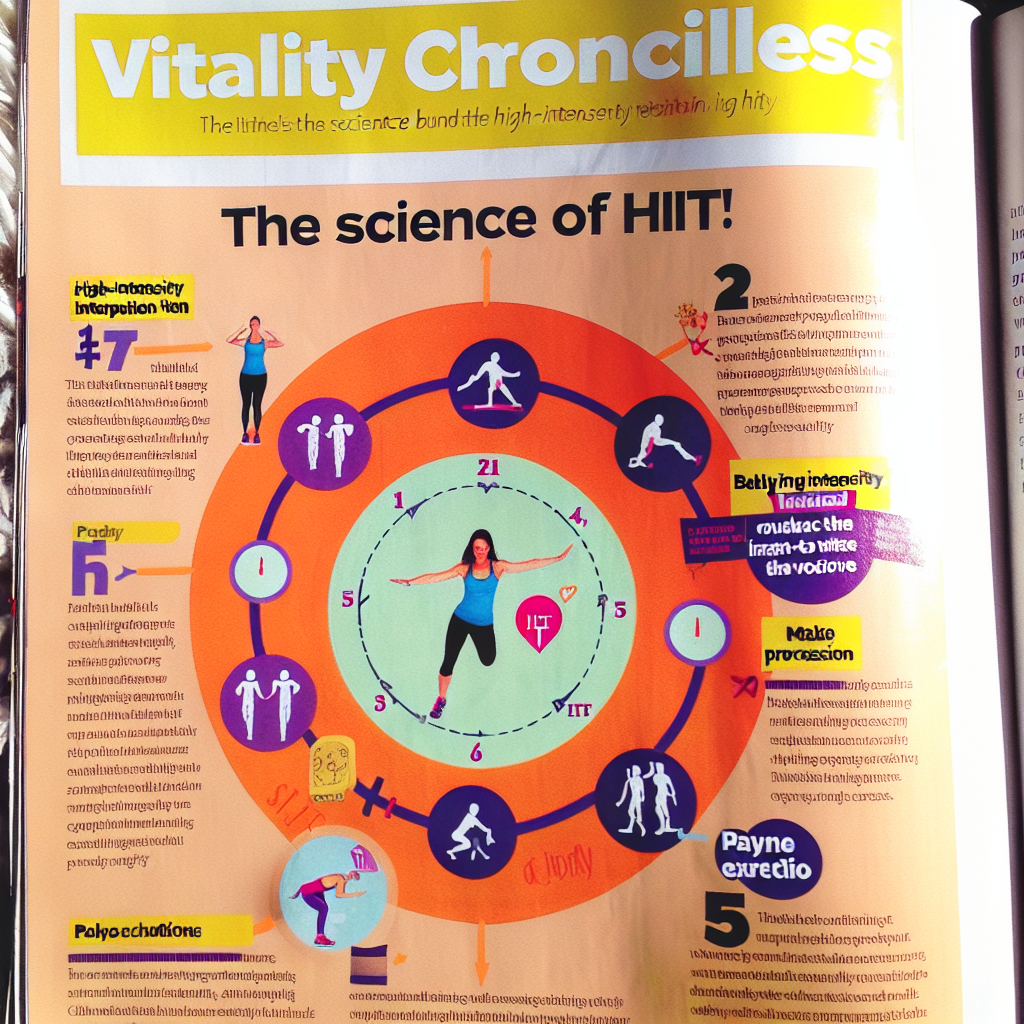
HIIT alternates short bursts of near-max effort with recovery periods. That on/off pattern drives improvements in cardiovascular fitness, metabolic flexibility, and calorie burn in far less time than steady-state cardio. Research shows consistent HIIT can increase VO2 max, improve insulin sensitivity, and help preserve muscle mass compared with marathon cardio sessions—if you balance intensity with recovery and strength work.
In plain terms: HIIT forces your heart, lungs, and muscles to adapt quickly to high demand, then recover. Those repeated stress-recover cycles are what deliver the big returns in a small time window.
## Design a HIIT schedule that actually fits your life
If your calendar is full, quality beats quantity. For most adults, 3–4 HIIT sessions a week is plenty to progress without overtraining. Sessions can be compact—20–30 minutes of focused work plus warm-up and cool-down is enough for most goals.
Sample week for the time-crunched:
– Monday: Off or light mobility (set the tone)
– Tuesday: Strength-focused session (45–60 minutes)
– Wednesday: HIIT session — cardio or mixed (20–30 minutes)
– Thursday: Active recovery or rest
– Friday: HIIT + core (20–30 minutes)
– Saturday: Lower-body strength or dance cardio (30–45 minutes)
– Sunday: Rest
This blend keeps high-effort intervals meaningful without sacrificing recovery or social life.
## Make cardio fun: dance-based HIIT
If the treadmill feels like punishment, try dance cardio. Moves like running-man variations, shuffles, and rhythmic knee-to-elbow sequences raise your heart rate, challenge coordination, and recruit the core in a playful way. Dance-based HIIT can be full-body metabolic work that doesn’t feel like work—and enjoyment increases consistency, the biggest predictor of long-term results.
Coaching cues for dance HIIT:
– Keep the knees soft—not locked—to absorb tempo changes.
– Use arm drive to amplify effort without overloading the legs.
– Focus on rhythm over perfection; small steps maintain balance at high speed.
## Bodyweight vs. resistance HIIT: safety and efficacy
Both approaches deliver value. Bodyweight and plyometric intervals are accessible and portable. Resistance-based HIIT (dumbbells, kettlebells, barbell complexes) helps maintain or build muscle while delivering cardio stimulus.
Key differences to consider:
– Technical demand: Weighted movements require control. If fatigue shows up, drop the load or switch to a simpler move.
– Coordination: Fast, technical moves need practice. Treat them as skills and rehearse them while fresh.
– Volume: Keep resistance HIIT sets shorter or weights lighter to protect form under fatigue.
Technique reminders:
– Goblet squat: Chest up, knees tracking toes, sit hips back.
– Kettlebell swing: Hinge at the hips, snap the hips forward, keep a neutral spine.
– Push-up variations: Maintain a straight line from head to heels; modify to knees if hips sag.
When form drifts, stop or regress the exercise. That’s where injuries start.
## Dexterity loss and neural fatigue: why coordination slips
Hitting the red zone often brings a drop in coordination. That’s neural fatigue and metabolic byproduct accumulation making precise contractions harder. In short: the nervous system is taxed, so fine motor control fades.
How to manage it:
– Don’t make complex lifts your go-to when you’re at your limit—use machines or simpler movements instead.
– Extend recovery intervals if precision suffers (e.g., 60–90s instead of 30s for technical lifts).
– Practice complex movements in low-fatigue states, then add intensity slowly.
– Prioritize hydration, sleep, and protein-rich meals—these blunt fatigue and speed recovery.
## Practical session templates
Beginner-friendly HIIT (20–25 minutes)
– 5-minute dynamic warm-up (leg swings, hip openers, arm circles)
– 8 rounds: 30s hard (85–90% effort), 60s easy walk/recovery
– 5-minute cool-down and mobility
Dance cardio interval (25–30 minutes)
– 5-minute warm-up (slow steps, arm swings)
– 4 circuits: 3 minutes choreographed high-energy movement + 90s easy recovery
– 5-minute core finisher (plank variations) and stretch
Resistance HIIT (strength + metabolic) (30–40 minutes)
– 8–10 minute warm-up (movement prep + light sets)
– 5 rounds: 40s compound movement (light–moderate load), 80s rest
– Examples: kettlebell swing, goblet squat, push-up, single-arm row
– 5–10 minute cool-down
Keep weights moderate so your technique is solid for the full 40s work window.
## Beginner tips and safety reminders
– Learn basics before scaling intensity. Practice technique with lower loads and slower speed.
– Warm up thoroughly to minimize coordination errors.
– If your form starts to break, stop or reduce intensity—don’t chase calories at the cost of joints.
– Allow 48–72 hours between high-intensity sessions for full recovery during build phases.
– Use accountability: short guided videos, community threads, or a coach can keep you consistent and safe.
## Final takeaway
HIIT is a powerful, efficient tool when tailored to your life, fitness level, and safety needs. Mix formats—dance cardio for joy, bodyweight circuits for accessibility, resistance HIIT for muscle retention—and let rest days be part of the program. When coordination starts to falter under intensity, scale the complexity, add recovery, and remember that steady consistency and smart progression beat occasional extremes.
Train smart, finish strong—and enjoy the ride. What HIIT session will you try this week to make fitness more effective and more fun?