

Build Flexible Strength Fast
# By Jake Morrison
If stretching feels like a mystery, you’re not alone—progress can be messy, especially if you’re hypermobile or nursing an old injury. You can make meaningful gains without extreme volume or daily agony. This piece breaks down simple science, routines you can use today, and safe ways to progress.
## Start Smart: Simple Routines
Begin with short, consistent sessions. Ten to twenty minutes most days builds habit and neural tolerance; if you need more recovery, 15–20 minutes every other day works just as well.
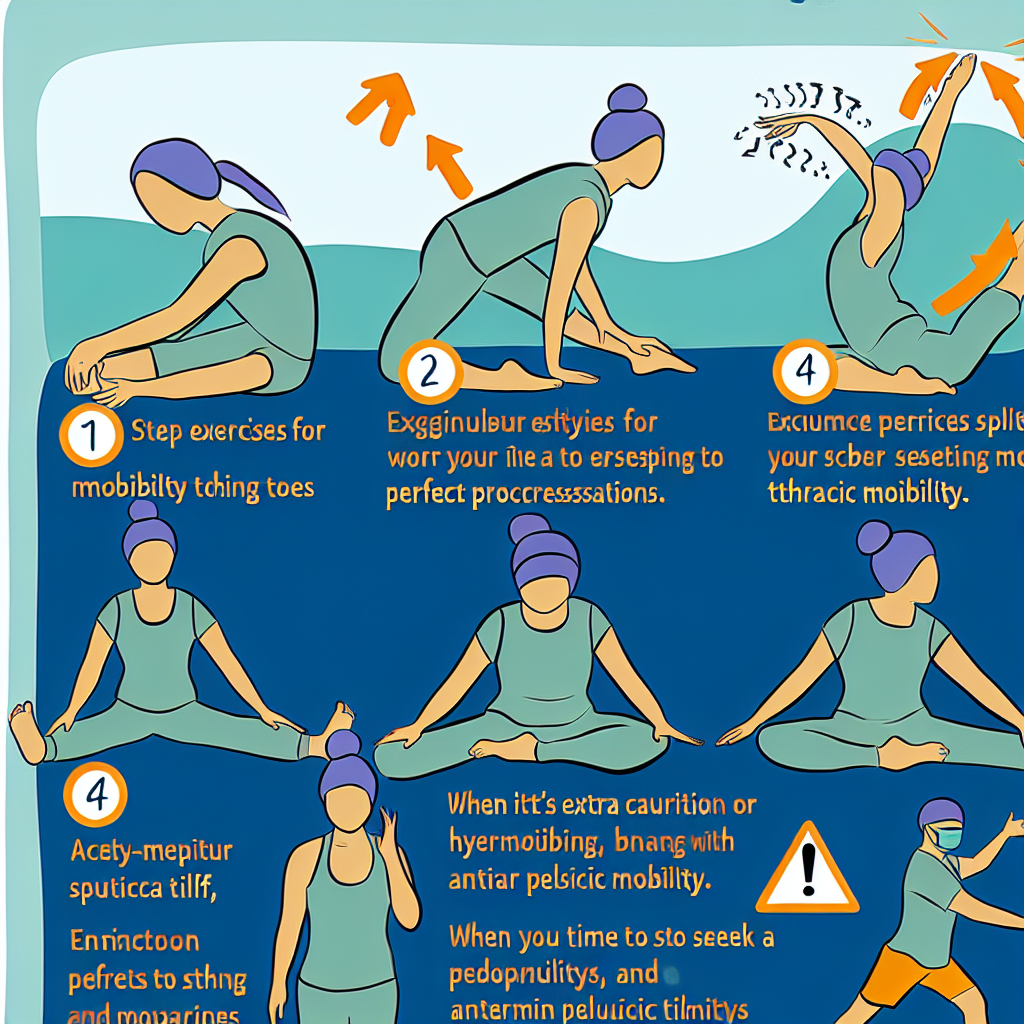
Beginner full-body routine (10–15 min):
– 2–3 minutes light dynamic warm-up (leg swings, arm circles, hip circles).
– Active straight-leg lifts: 2 x 8–10 per side.
– Seated progressive toe reach: 3 x 30–60s holds with 90–120s rest.
– Gentle thoracic rotations: 2 x 10 per side.
Follow-along videos are helpful if you’re new. Progressive loading and adequate recovery are proven fundamentals for reliable gains.
## Toe-Touch, Squat, and Split Progressions
Work toward flexibility through movement, not just passive holds. Active control builds usable range.
Toe-touch progression (weeks to months):
1. Standing hip-hinge with soft knees, reach to shins — 3 x 8.
2. Seated toe reaches with band-assisted dorsiflexion — 3 x 30–60s.
3. Isometric-loaded hamstring holds (light Romanian deadlift position) — 3 x 8–12 reps.
Squat mobility:
– Goblet squat to depth, cue chest up and soft knees — 3 x 6–10.
– Wall-facing ankle mobility drills — 2 x 10 per side.
– Loaded pauses at depth for 3 x 20–30s once control improves.
Splits (front and middle) progression:
– Short, frequent holds (30–60s) with back-leg support.
– Add loaded eccentric work (slow lowering toward split) once you have control.
– Use PNF (proprioceptive neuromuscular facilitation) briefly: a 6–10s gentle contract, then relax and take a deeper hold.
If you’re consistent, small steady increases in time under tension and controlled loading will move you forward.
## Thoracic Mobility & Rotation
Good thoracic extension and rotation improve posture and help with deep squats and overhead work. Thoracic mobility is often the missing link if your shoulders or low back feel tight.
Simple drills:
– Foam-roll thoracic extensions over a soft roller — 1–2 min.
– Quadruped thoracic rotations — 2 x 10 per side.
– Kneeling hip-flexor + thoracic extension combo for APT (anterior pelvic tilt, a forward pelvic posture) — 2 x 40–60s per side.
These drills are low-risk and transfer to better movement in lifts and daily posture.
## Modifications, Cautions, and Red Flags
If you’re hypermobile, avoid locking joints during holds. Focus on muscle control and short ranges rather than end-range collapse.
If your knees hyperextend, keep soft micro-bends and activate quads during standing holds. For anterior pelvic tilt (APT), prioritize hip-flexor lengthening plus posterior-chain strengthening (glute bridges, Romanian deadlifts).
Prior injuries (ACL recon, chronic knee issues): modify by reducing load and depth, and emphasize controlled eccentric work. If you feel instability or repeated sharp twinges, stop and consult a clinician.
**Stop if you feel sharp pain.** Persistent or worsening pain, numbness, or instability are reasons to see a PT or physician.
## Frequency, Recovery, and Tools
Typical frequency:
– Habit phase: 10–15 min daily for 3–4 weeks to build tolerance.
– Strengthen phase: 15–20 min every other day with progressive loading.
Signs to reduce volume: joint swelling, persistent soreness beyond normal muscle fatigue, or decreased strength.
Tools worth trying:
– Resistance bands for assisted stretches and PNF.
– Soft foam roller for thoracic work.
– Light kettlebell or dumbbell for loaded mobility progressions.
For novices, follow-along videos help with cueing and consistency. For advanced trainees, look for progressive loaded stretches and tempo-controlled eccentrics.
## Evidence, Resources, and When to See Help
The science supports gradual loading, neural adaptation, and consistent practice over extreme static stretching. If you’re unsure about technique, a session with a physical therapist or a qualified coach can save weeks of frustration.
Resource suggestions:
– Mobility-focused channels and coaches for guided routines (search for mobility specialists and movement coaches).
– Books on movement quality and mobility that explain techniques and why they work.
– Look for content that teaches PNF (contract–relax), dynamic approaches, and isometric loading for strength in range.
If range of motion doesn’t improve after 6–8 weeks of consistent, sensible work, or you have recurring sharp pain, seek professional assessment.
## Final Takeaway
Progress rarely follows a straight line, but small, consistent wins add up. Pick one short routine from above, commit to it three times a week for four weeks, and track how movement feels rather than just how deep you get.
What one mobility habit will you try this week?