

Nourish Wisely: A Millennial’s Guide to Asking Nutrition Questions, Staying Hydrated, and Separating Fact from Fear
# Vitality Chronicles — by Jake Morrison
## Energetic Hook
Scrolling through nutrition threads can feel like striking gold — or wandering straight into a comment war. One minute you find a practical tip, the next you’re neck-deep in science-speak, fearmongering, or the latest fitness fad. This guide helps you cut through the noise: how to ask smarter questions online, hydrate without fuss, decode additives like sodium tripolyphosphate, and treat protein advice like useful data rather than dogma. Practical science, simple application, and a little motivational push — that’s the promise.
## How to ask nutrition questions online (and when you need a pro)
Science breakdown: Online communities are great crowdsourced knowledge engines, but crowd knowledge is not medical care. Forums surface anecdote-heavy observations fast; high-quality responders point to primary research and explain mechanisms.
Practical application:
– Check pinned resources first: many communities have FAQs, meal templates, or weekly threads to consolidate common questions. Read these before posting.
– Give useful context: goals (fat loss, muscle, energy), food preferences (vegan, omnivore), schedule (shift worker, remote), and typical meals. Keep lab values, meds, and diagnoses for clinicians.
– Ask for sources: a good reply will link PubMed, systematic reviews, or reputable guideline pages and summarize why the study matters.
Motivation: Treat forums like a research assistant, not your clinician. Use them to build curiosity, not certainty.
When to see a professional:
– New or unmanaged chronic conditions (diabetes, kidney disease, thyroid issues)
– Medication changes or symptoms suggestive of a medical problem
– When you need a personalized plan that considers labs, meds, and medical history
## Community etiquette that keeps conversations useful
Science breakdown: Group norms shape signal-to-noise. Communities that enforce civility and source-based claims share reliable tips more often.
Practical application:
– Be civil and constructive. Avoid diet shaming and “my way or the highway” posts.
– Back claims with sources. If you suspect bias in a study, point to funding statements or methodology specifics.
– No self-promotion. If you’re trying to share a resource, ask moderators first.
Motivation: Good etiquette builds better communities — and better communities help you learn faster.
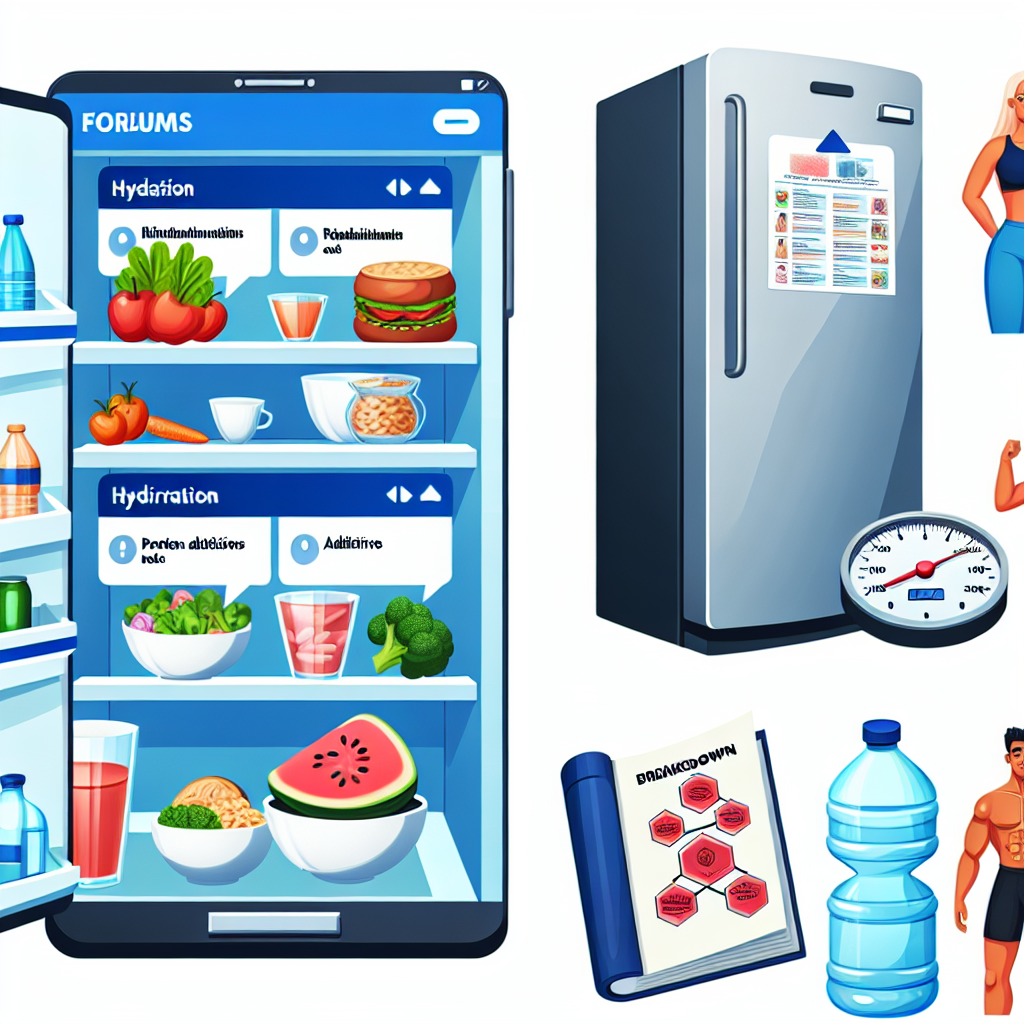
## Hydration: what millennials actually keep in the fridge
Science breakdown: For most people, plain water meets daily needs. Electrolytes (sodium, potassium) matter when you sweat heavily, are sick, or have specific medical needs.
Practical options to keep chilled:
– Filtered cold water: baseline. Keep a pitcher or glass bottle in the fridge so sipping is effortless.
– Sparkling water: a soda substitute that can increase overall fluid intake for those who crave fizz.
– Coconut water: natural potassium and mild sweetness — useful after light-moderate exercise.
– DIY electrolyte mix: water + pinch of salt + squeeze of citrus (and a little honey if you want carbs). Cheap and effective after workouts.
– Cold herbal teas or infused water: cucumber, mint, or berries add flavor without sugar.
Application tip: For day-to-day, sip water. For long runs or hot days, opt for an electrolyte option. If you have kidney disease or sodium restrictions, check with your clinician.
## Food additives: should sodium tripolyphosphate in salmon worry you?
Science breakdown: Sodium tripolyphosphate (STPP) helps processed seafood retain moisture and texture. Regulatory bodies generally deem it safe at typical levels.
Practical application:
– What to watch for: STPP increases phosphate and sodium content slightly. This is mostly relevant for people with compromised kidney function or strict sodium limits.
– Shopping tips: buy fresh or minimally processed fish when possible. Read ingredient lists and, when in doubt, rinse and pat seafood before cooking.
Motivation: Additives are often functional, not sinister. Choose minimally processed foods when feasible, but don’t panic if you occasionally buy convenience seafood.
## Protein “absorption” myth: can your body only use 30–40 g at once?
Science breakdown: The gut absorbs almost all amino acids you eat. The 30–40 g claim is shorthand for the amount that robustly stimulates muscle protein synthesis (MPS) in many people. But “use” is broader than MPS — amino acids support enzymes, immune function, and more.
Practical application:
– Aim to spread protein across the day: roughly 20–40 g per meal is a useful guideline for MPS, adjusted for body size and activity level.
– Daily targets: general adults ~0.8 g/kg; active people or those prioritizing strength 1.2–2.0 g/kg depending on goals.
– Don’t worry about “wasting” extra protein: excess amino acids are used for other functions or enter the body’s amino acid pool.
Motivation: Focus on consistent daily intake and pairing protein with resistance training. Small, steady habits beat sporadic protein binges.
## Simple strength moves to match your nutrition (form & technique focus)
Why: Protein and resistance training are partners. Even modest strength work helps preserve muscle and improve metabolic health.
Exercise breakdown (beginner to intermediate):
1. Goblet squat — cue: chest up, knees track toes, sit back into a chair. Regression: bodyweight box squat. Sets/reps: 3×8–12.
2. Hip hinge (Romanian deadlift or kettlebell deadlift) — cue: soft knee, hinge at hips, feel stretch in hamstrings. Regression: hip hinge to elevated surface. Sets/reps: 3×8–12.
3. Push-up or incline push-up — cue: plank line from head to heels, elbows at 45°. Regression: wall or incline push-up. Sets/reps: 3×6–12.
4. Row (dumbbell row or band row) — cue: brace core, pull shoulder blade toward spine. Sets/reps: 3×8–12.
Common mistakes & quick fixes:
– Squat: collapsing knees — fix by pushing knees toward the second toe and keeping weight on heels.
– Hinge: rounding lower back — fix by softening knees and pushing hips back, maintain neutral spine.
– Push-up: sagging hips — fix by bracing core and thinking “tight plank.”
– Row: shrugging shoulders — fix by initiating the pull with the scapula, not the arms.
Motivation: Start with 2–3 sessions per week. Progress by adding reps, sets, or load gradually. Consistency creates noticeable strength and energy gains.
## Takeaway & Motivating Close
Curiosity is your superpower — but curiosity without context can mislead. Use online communities to learn and source studies, not to replace clinical care. Keep a few hydration options in the fridge that match your activity, read labels but don’t panic about every additive, spread protein across the day, and pair that nutrition with simple, consistent strength work.
Small, repeatable actions compound. Celebrate the wins — a week of consistent water intake, a stronger squat, or a more balanced plate are all progress.
What one small change will you try this week — swap one sugary drink for sparkling water, add a protein portion to breakfast, or commit to two strength sessions? Pick one, try it, and see how it feels.