

Lift, Learn, Repeat: How Community and Smart Practice Turn PRs into Progress
# Lift, Learn, Repeat: How Community and Smart Practice Turn PRs into Progress
by Jake Morrison
## Energetic hook
You scroll the feed and there it is: a teammate finally hits a stubborn PR, another posts a tiny technical breakthrough, and someone else asks for advice on breaking a plateau. Those moments aren’t just dopamine hits — they’re signals that progress is social, measurable, and repeatable. If you want stronger lifts without getting injured or exhausted, the secret is simple: combine community-driven learning with repeatable, evidence-informed practice.
## The science, in plain terms
– Progressive overload is the biological engine. Muscles and the nervous system adapt when they face slightly more demand over time. That doesn’t mean always chasing maxes, but it does mean planned increases in load, reps, or difficulty.
– Frequency matters for skill transfers. Practicing a movement multiple times a week improves coordination and motor patterning faster than once-a-week hero sessions.
– Volume is the currency of hypertrophy and strength. There’s a sweet spot: too little work, no gains; too much, and you don’t recover. Track weekly sets in moderately heavy ranges as a baseline and adjust from there.
– Recovery is where adaptation happens. Sleep, adequate protein, and caloric context influence how much of that training actually sticks. Aim for consistent sleep and ~1.6–2.2 g protein per kg bodyweight for strength gains.
This is straightforward science translated into practice. You don’t need to overcomplicate it — just be consistent and evidence-minded.
## How the community accelerates progress
A supportive training community speeds learning in three ways:
1. Feedback loop: Video and numbers shared publicly get quicker, practical cues than solitary training.
2. Accountability: Regular check-ins increase consistency, which is the real driver of improvement.
3. Shared knowledge: People surface templates and fixes that cut your trial-and-error time.
To get useful feedback, post succinct context: recent working sets, training age, mobility or pain points, and your goal. That lets others give targeted, actionable advice instead of guessing.
## Principles that actually move the needle
– Progressive overload: Plan small, realistic jumps. Add 2.5–5 lb increments, add a rep, or improve bar path consistency.
– Specificity and frequency: Practice the pattern you want to get better at. If you want a stronger squat, squat multiple times per week with varied intensity.
– Trackable volume: Count weekly sets in the 60–85% intensity window as a starting metric and adapt up or down based on response.
– Recovery-focused nutrition: Protein and sleep are non-negotiables for getting stronger without burning out.
## Squat strategies: how big numbers are built
– Technique first: neutral spine, a big breath and brace, and coordinated hip-knee travel. Film sets from the side for objective critique.
– Variations: paused squats, box squats, and tempos build control out of the hole. Heavy doubles or singles teach confidence; lighter speed sets teach intent.
– Accessory work: Romanian deadlifts, hip thrusts, and rows strengthen the posterior chain and upper-back bracing.
– Mobility and equipment: Work on hip and ankle ranges, and learn to use a belt properly to aid intra-abdominal pressure.
Modification for beginners: reduce depth slightly and prioritize tempo reps with perfect form before adding weight.
## Bench press: leverage small wins
– Setup equals stability: retract your scapulae, drive with the feet, and maintain a safe arch to shorten the range of motion.
– Address sticking points with paused reps and slow eccentrics.
– Build the pressing chain with triceps work, front delt sets, and upper-back rows.
– Use speed work to train force production without heavy fatigue.
Beginner tweak: use dumbbells or a slightly higher rep range to build joint-friendly strength and confidence in the groove.
## Overhead press: realistic scaling and longevity
Goals like a massive strict press are admirable but require realistic milestones.
– Frequency: 2–3 overhead sessions a week, mixing strict presses with push presses or incline work.
– Variations: Rack lockouts and partial ranges build confidence and top-end strength.
– Shoulder health: Prioritize rotator cuff, scapular control, and thoracic mobility to sustain loading.
If strict pressing is tough, use push presses and seated presses to build pressing tolerance while you shore up technique.
## Common mistakes and quick coaching cues
– Mistake: chasing heavy singles without building volume. Cue: add weekly submaximal sets with intent.
– Mistake: ignoring sleep and nutrition. Cue: treat sleep and protein like training sessions.
– Mistake: asking for advice without data. Cue: post a few recent logged sessions and a short history — you’ll get far better replies.
## Practical weekly template (starter)
– Day 1: Heavy squat focus (singles/doubles) + hamstring accessory
– Day 2: Bench technique and volume + upper-back work
– Day 3: Light squat or speed work + core
– Day 4: Overhead press variation + triceps
– Day 5: Optional technique day or conditioning
Adjust frequency and volume based on recovery and life stressors. Remember: consistency beats perfection.
## Mindset: progress over perfection
Strength is a long game. Celebrate the small wins — 5 lb increases, tighter setups, and a clean rep under fatigue. Use setbacks as data: did sleep suffer? Did volume spike? Change one variable at a time and track the outcome.
## Quick habits to adopt now
– Prioritize 7–9 hours of sleep most nights.
– Hit your protein target consistently.
– Film key lifts weekly for objective feedback.
– Track weekly volume and adjust slowly.
– Ask the community with clear context and a goal.
## Takeaway
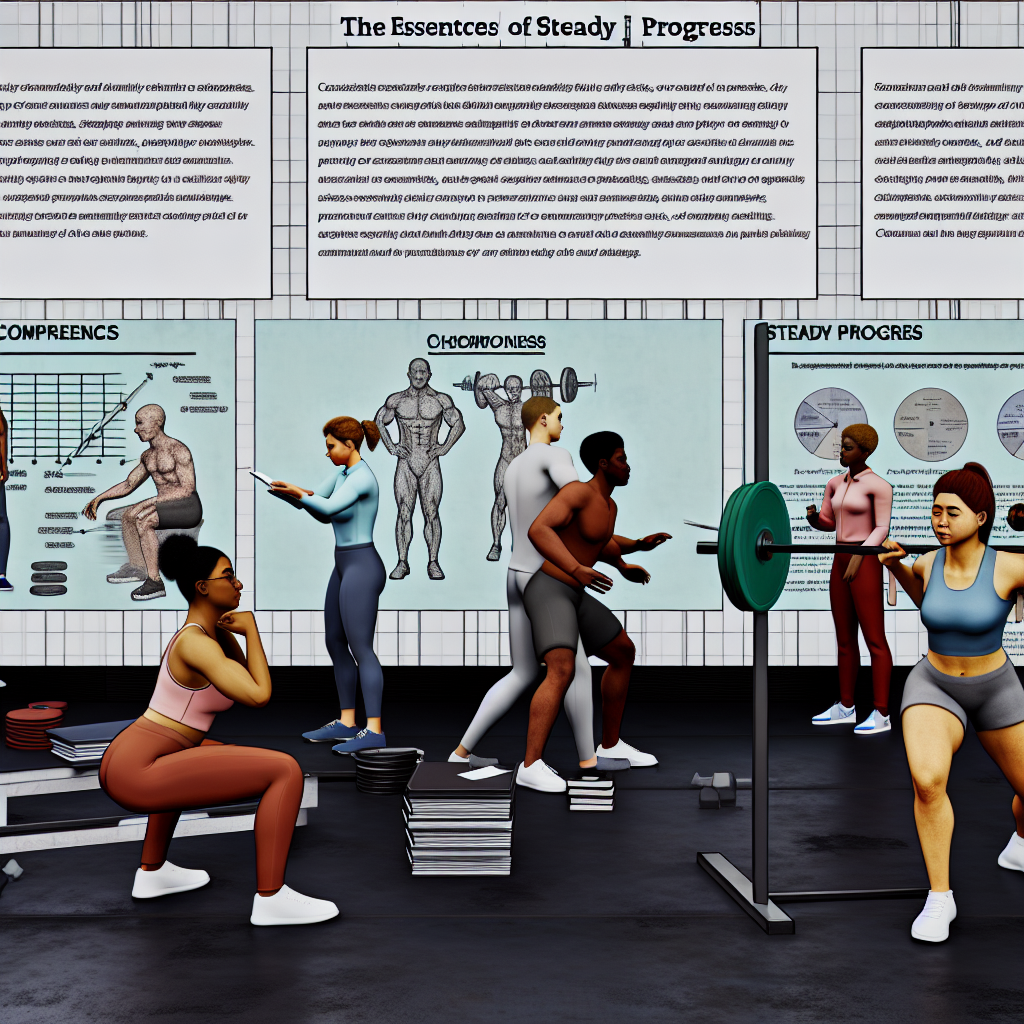
PRs are great fireworks, but progress is built from steady practice, smart recovery, and a community that helps you learn faster. Use small, consistent overload, focus on form, and treat recovery as part of the program. With those habits, aspirational numbers become realistic milestones.
What small, specific lift or habit will you commit to practicing this week so you can look back in a month and see real progress?