

Yoga for the Busy Millennial: How to Start, Stay Safe, and Blend Strength with Stillness
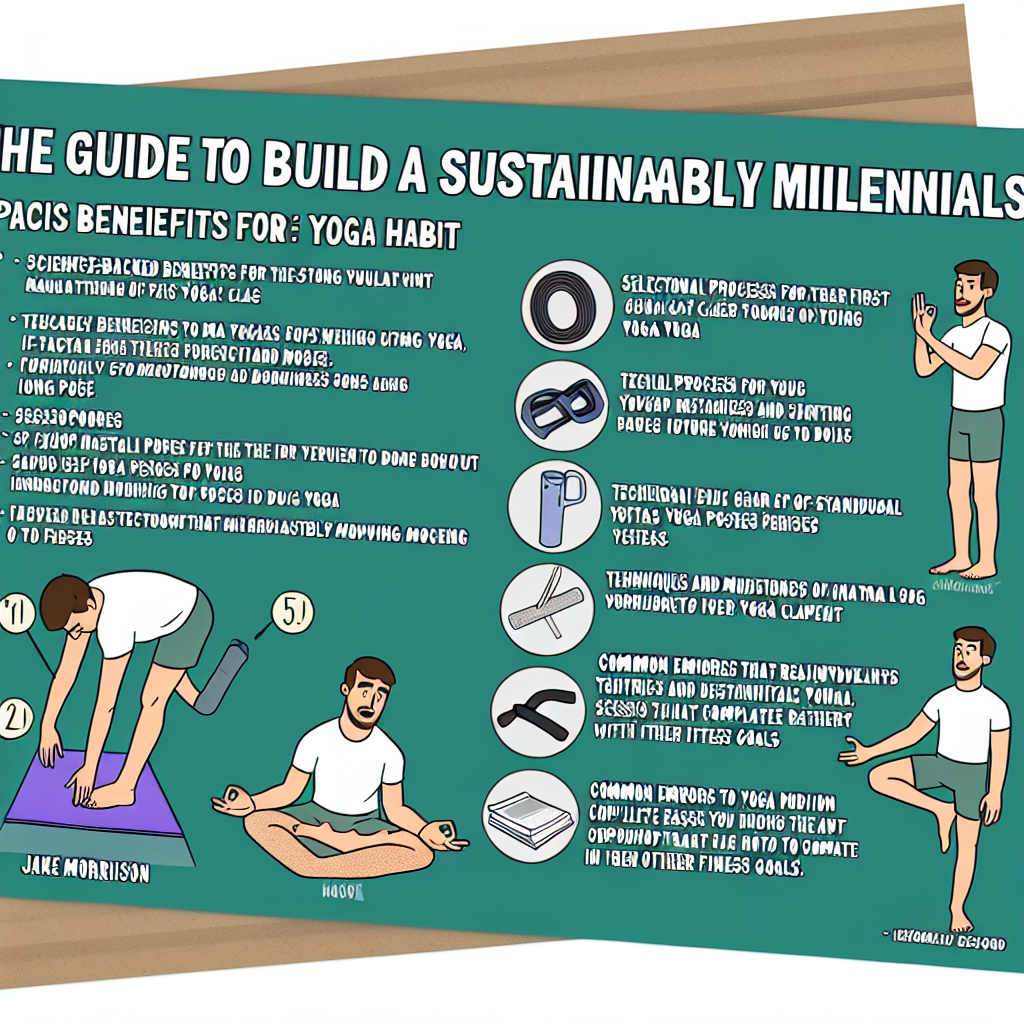
# Yoga for the Busy Millennial: How to Start, Stay Safe, and Blend Strength with Stillness
Thinking about trying yoga but unsure where to begin? You’re not alone. Between work, social life, and strength sessions, adding a new habit needs to feel doable. The good news: yoga doesn’t have to be an all-or-nothing commitment. Done sensibly, it improves flexibility, balance, nervous-system regulation, and recovery — all things that help your gym work, not hinder it.
Below I break down the science, practical technique cues, and a realistic plan you can start this week. No spiritual gatekeeping, no performance pressure — just clear, evidence-informed steps to make yoga a reliable tool in your fitness toolbox.
## Energetic hook: why this matters now
A surprising bit of research: multiple randomized trials show yoga can reduce perceived stress, lower cortisol, and improve balance and flexibility compared with inactive controls. That maps directly onto two common millennial pain points — chronic stress and sitting-heavy lifestyles that shorten hip flexors and weaken posterior chains. In short: yoga helps you move better, recover faster, and stay calmer for the rest of your life.
## Start gently: choose the right first class
If you’ve never been to a studio, aim for restorative or gentle Hatha for your first visit. Why? These classes emphasize breath, slow alignment, and props — so you can learn cues and body awareness without feeling rushed.
Progression suggestion:
– First: Restorative or Gentle Hatha
– Next: Hatha for fundamentals
– Later (optional): Vinyasa/Power once you’ve built breath control and movement confidence
Remember: the instructor’s job is to teach alignment. Don’t be shy about asking for modifications.
## Gear that actually matters
You need three things to start:
– A stable, non-slip mat with moderate cushion (not an inch of sinky foam)
– A towel for grip or sweat
– A block and strap (inexpensive and incredibly useful)
Bolsters are handy for restorative work but optional. Treat props as tools to make poses accessible — not as cheating.
## Technique focus: 3 foundational poses and how to modify them
1) Downward-Facing Dog (Adho Mukha Svanasana)
– Why: full-body posterior chain activation, shoulder stability, hamstring loading
– Cue: hands shoulder-width, fingers spread; press into knuckles and base of index finger; hips lift high, tailbone reaches up; knees slightly bent if hamstrings are tight; microbend elbows to avoid hyperextension.
– Common modification: pedal the feet or hold plank-to-dog flow if hamstrings are limiting.
2) Low Lunge (Anjaneyasana)
– Why: hip flexor mobility, hip extension strength, knee stability
– Cue: front knee over ankle, back knee cushioned on a folded mat or pad; tuck tailbone slightly and draw belly in to feel the front leg work; lift sternum rather than collapsing into the lumbar spine.
– Modification: keep hands on blocks beside the front foot to reduce forward collapse.
3) Bridge Pose (Setu Bandha Sarvangasana)
– Why: posterior chain strengthening, low-back decompression, glute activation
– Cue: feet hip-width and parallel, drive through heels, engage glutes before lifting, avoid overextension of the neck.
– Modification: place a block under the sacrum for supported bridge (restorative option).
When teaching or practicing, prioritize alignment and breath over depth. Depth without control is injury risk.
## Common early issues and quick fixes
– Wrist pain: roll the mat, use fists, or practice on forearms; distribute weight through the entire hand, not just the wrists.
– Low-back soreness: cue core engagement and hip hinge mechanics; avoid heavy forward folds with a rounded back; use blocks to shorten the range.
– Shoulder tightness: warm with scapular mobility drills (cat-cow, thread-the-needle) and avoid forceful external rotation.
If pain is sharp or persistent, stop and consult a clinician. Online threads are helpful but not a replacement for personalized care.
## Blend strength and stillness without conflict
Yoga and strength work are allies when you plan them. Practical strategies:
– Use yoga as active recovery: 20–30 minutes of mobility-focused practice on off-days boosts circulation and nervous system downregulation.
– Separate intention: label sessions—”Strength session” vs “Mobility/Breath session”—so your mindset matches the goal.
– Borrow breath tools: 4-4-4 box breathing or diaphragmatic breaths between heavy sets can lower heart rate and improve focus.
– Periodize: during heavy lifting blocks, keep short mobility-focused yoga. In deload weeks, lean into restorative and longer pranayama.
Evidence indicates these practices can reduce stress markers and improve range of motion, which supports strength performance and injury prevention.
## Quick science primer (what the research says)
– Flexibility & balance: consistent yoga improves joint mobility and single-leg balance compared with no-intervention controls.
– Stress & autonomic regulation: yoga and breathwork have been shown to lower markers of sympathetic activation (like cortisol) and increase parasympathetic tone in some studies.
– Recovery: low-intensity movement improves blood flow and may reduce delayed-onset muscle soreness compared with full rest.
All of this makes yoga a practical adjunct to a strength-focused program.
## Community smart: find trustworthy online resources
Look for teachers with certifications from reputable schools, peer-reviewed articles, and community FAQs before posting repetitive questions. Respectful dialogue about cultural roots and ethical sharing keeps spaces helpful. If you see medical claims or unverified advice, pause and verify.
## Practical first-week plan (realistic & sustainable)
– Day 1: Restorative or gentle Hatha (in-person or guided online)
– Days 2–4: Two 20–30 minute sessions focused on hip mobility, thoracic rotation, and breath work
– Day 5: Strength workout + 10–15 minute post-workout yoga cool-down (hamstring and pec stretches, child’s pose)
– Weekend: 30–45 minute restorative session or guided yoga nidra for recovery
Short, consistent wins beat occasional long sessions.
## Final takeaway (Jake-style)
Start small, pick classes that meet you where you are, and use props like a coach — not a crutch. Focus on alignment, breathe like you mean it, and let yoga enhance your strength goals rather than compete with them. Over time you’ll notice better movement, improved recovery, and a calmer baseline for the daily grind.
What’s one yoga move or breathing technique you’ll try after your next workout to help you recover and perform better?