

Momentum, Moderation, and Microwins: How to Thrive in a Community That Keeps You Moving
# Momentum, Moderation, and Microwins — Vitality Chronicles by Jake Morrison
If you’ve ever started strong and fizzled out, you’re not alone. The real win isn’t fireworks; it’s showing up three, five, or twenty times in a row. When you combine a steady routine with a supportive community, progress stops being a sprint and becomes something you can sustain. Below I break down the science behind why that works, give practical routines and technique cues you can use today, and share moderation tactics for cravings and setbacks—without guilt.
## Why community and routine move the needle (the science)
– Habit formation: Repeating a behavior in a consistent context strengthens the cue-routine-reward loop. Research on habit formation shows small, regular actions are more likely to stick than infrequent, intense pushes.
– Social reinforcement: Positive feedback from peers releases dopamine and increases the chance you’ll repeat a behavior. Accountability—whether a buddy, group check-in, or public post—creates mild social pressure that boosts adherence.
– Microprogress and motivation: Small wins compound. Behavioral science (think Kaizen-style change) tells us that visible, frequent progress beats distant, big-goal motivation because it keeps your brain rewarded and engaged.
– Cravings and urges: Techniques like urge-surfing come from mindfulness-based interventions. Cravings often peak within 10–20 minutes; observing them non-judgmentally reduces reactive behavior.
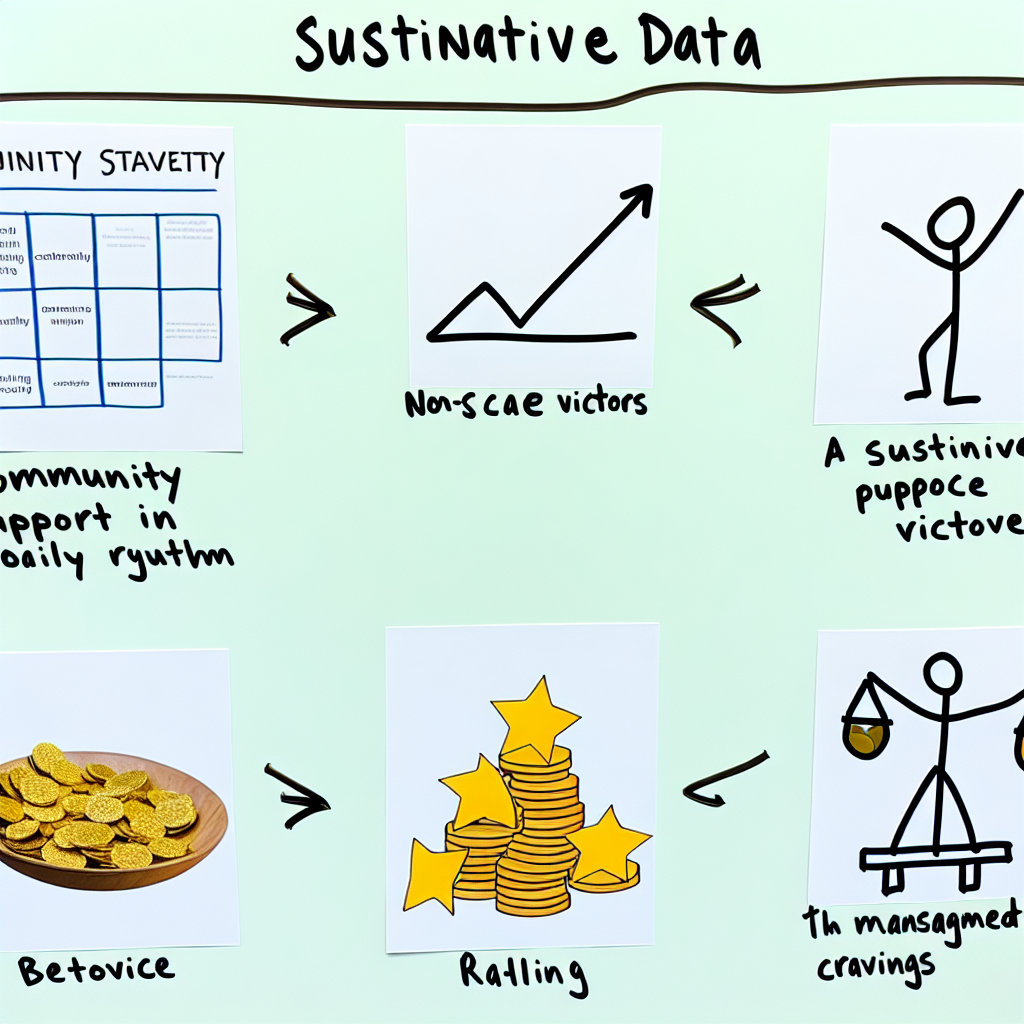
In short: structure + social support + small wins = sustainable change.
## Build a daily rhythm that actually fits your life
Consistency beats intensity. Here’s a flexible weekly template and how to make it yours:
– Daily: 1 short check-in (2–5 sentences) — mood, one NSV, and one micro-goal for the day.
– 3 strength sessions per week (20–40 minutes). Keep them simple and full-body.
– 2 active recovery days: walk, mobility, or light yoga.
– 1 rest day.
Make rituals low-friction: a 5-minute movement after brushing your teeth, a one-sentence post before bed, or a weekly weigh-in on the same day. Use community prompts to anchor your schedule—introductions on Mondays, weigh-ins midweek, recipes on Fridays.
## Exercise & technique breakdown (practical, form-forward)
Below are four foundational movements that build strength, stability, and confidence. I’ll give cues, common mistakes, and regressions/progressions.
1) Squat (air squat or goblet squat)
– Cues: feet hip-width, chest up, sit back into your heels, knees track over toes.
– Common mistakes: knees collapsing inward, torso tipping forward, heels lifting.
– Regression: box squat to a chair — sit lightly and stand.
– Progression: goblet squat with a dumbbell, then barbell back squat when comfortable.
2) Hip hinge (Romanian deadlift-style)
– Cues: soft knees, push hips back, feel stretch in the hamstrings, neutral spine.
– Common mistakes: rounding the lower back, bending too much at the knees.
– Regression: hip-hinge to a dowel or broomstick to learn spinal alignment.
– Progression: kettlebell or barbell deadlift once technique is reliable.
3) Push (push-up or incline push-up)
– Cues: hands under shoulders, straight line from head to heels, lower chest to ~fist height, press up.
– Common mistakes: sagging hips, flared elbows, and short range of motion.
– Regression: incline push-ups on a bench or wall.
– Progression: full push-ups, then weighted or plyometric variations.
4) Core stability (plank)
– Cues: neutral spine, squeeze glutes, pull belly button toward the spine, breathe steadily.
– Common mistakes: holding breath, hips too high or low.
– Regression: knee plank.
– Progression: weighted plank or single-arm plank.
Frequency and load: Aim for 2–4 sets of 6–12 reps for strength or 12–20 reps for endurance. If you’re short on time, do one set well and call it a microwin.
## Common mistakes people make—and how to avoid them
– Thinking more is always better. Overtraining and inconsistent rest lead to burnout. Schedule rest and active recovery.
– Chasing perfection. Missed sessions happen. A better question: what’s one small corrective action you can take right now?
– Comparing the highlight reel. Curate your feed; mute or unfollow accounts that trigger unhealthy comparison.
## Moderation strategies when cravings or binge urges hit
– Plan controlled access: schedule a reasonable portion of a desired food so it’s expected, not forbidden.
– Urge-surfing: time the urge. Sit with it for 10–20 minutes. Notice sensations: where do you feel it? What thoughts arise? It often diminishes.
– Hydrate and check in: are you actually hungry, thirsty, tired, or stressed?
– Relapse plan: avoid moralizing. If you overeat, identify a single corrective next step—hydrate, walk, message a support buddy—and move forward.
These tactics blend compassion with structure, which is crucial for lasting recovery.
## Use motivating self-talk and habit hacks
– Reframe language: “I choose to enjoy this in a way that supports my goals” instead of “I can’t have that.” Language shifts the locus of control.
– Microtasks: commit to five minutes. Start small and build momentum.
– Habit stacking: attach a new habit to an existing one (stretch after brushing teeth, log food after lunch).
– Track NSVs: celebrate finishing a binge-free week, lifting heavier, or sleeping better. These are real wins.
## How to use community—and when to step back
– Engage actively: answer questions, share a win, and join themed threads. Giving support makes you more accountable.
– Curate: follow people who model healthy, sustainable approaches. Mute toxicity.
– Boundaries: call out disrespect or simply step away. Your mental health matters more than internet points.
## Quick weekly checklist (printable in your head)
– 3 strength sessions (20–40 min)
– 2 movement/recovery days
– 1 rest day
– Daily 2–5 sentence check-in
– One public NSV share or private message to a buddy
## Takeaway
Sustainable fitness is built from small, consistent actions shared with a community that keeps you accountable and kind to yourself. Focus on form, protect your mental space, plan for cravings with compassion, and make progress visible through microwins. Momentum isn’t a one-time shove; it’s a series of tiny, repeated choices that add up.
What’s one small, non-intimidating action you’ll commit to this week to build momentum—five minutes of movement, a single healthy swap, or your first community check-in?