

Build Better Plates: How to Read, Tweak, and Ask About Food Like a Pro
# Build Better Plates: How to Read, Tweak, and Ask About Food Like a Pro
We scroll past a hundred food pics a day — avocado toast, grilled chicken bowls, glossy duck breast with creamy sides — and wonder whether that post is actually helpful for our goals. There is no one perfect meal for everyone. What makes a plate nourishing depends on who you are, how active you are, your health needs, and portion sizes. Use a few simple heuristics and respectful habits for asking questions, and you can turn inspiration into meals that support performance, recovery, and long-term wellbeing.
## Read the plate, not the aesthetic
A photo rarely tells the whole story. Ingredients, portion sizes, cooking methods, and condiments change the nutritional profile dramatically. Here are the basic elements to scan for and why they matter:
– Protein: Is it lean like grilled chicken, or richer like duck? Both can fit. Lean proteins let you eat larger portions for fewer calories; fattier proteins are more energy-dense and very satisfying. Match the protein type and portion to your goals.
– Carbs: Are those carbs whole grains and starchy vegetables or refined? Whole grains and legumes bring fiber and micronutrients; refined carbs are quicker fuel and can spike blood sugar unless balanced with protein and fat.
– Fat: Avocado, olive oil, and nuts offer healthy fats that help satiety and nutrient absorption. Be mindful of concentrated fats in sauces and clarified butter if you track energy intake.
– Veggies and fiber: Non-starchy vegetables add volume, micronutrients, and satiety for very few calories. The more colorful the plate, the better.
## The simple science in plain terms
– Energy balance matters, but so does quality. Total calories guide weight loss or gain, but macro and micronutrient quality influences performance, recovery, and long-term health.
– Protein is critical for recovery and muscle maintenance. Many active adults do well with roughly 20 to 40 grams of protein per meal — scale by body size and training load.
– Fiber slows glucose rises, promotes gut health, and increases fullness. Aim to pair starchy components with fiber-rich foods when possible.
– Fats are essential and calorie-dense. Use them strategically for flavor and satiety rather than as invisible additions that blow up portion sizes.
## Quick ways to eyeball balance
When you don’t have a nutrition label, these visuals and tactile cues work in everyday life:
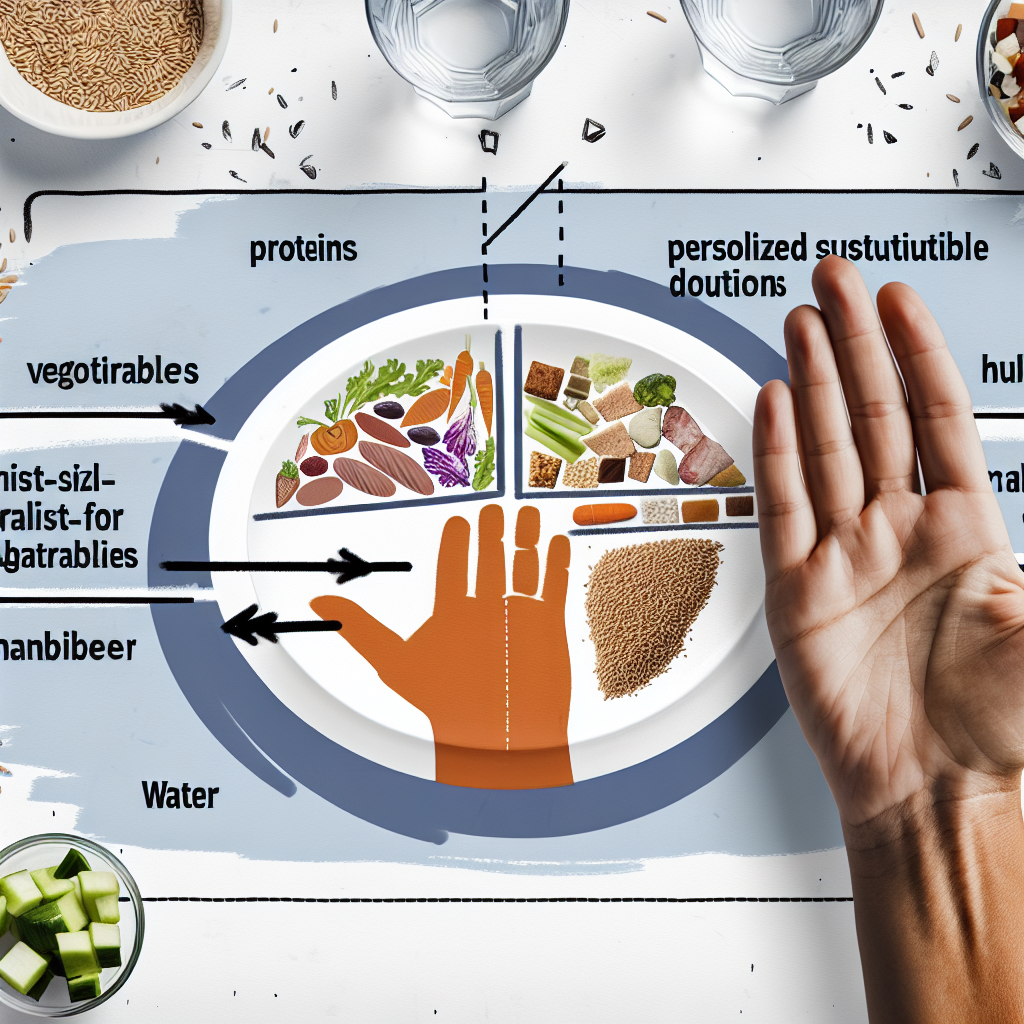
– Plate rule: Half the plate non-starchy vegetables, one quarter protein, one quarter carbohydrates or starch. This simple template helps manage blood sugar and nutrient density.
– Hand portions: Protein = palm-sized; carbs = cupped hand; vegetables = two fists; fats = thumb-sized. Hand cues adjust with body size and are portable across settings.
– Protein target: If you train regularly, aim for 20 to 40 grams of protein at meals to support muscle repair and satiety. Add a small protein-rich snack after intense sessions if needed.
## Small swaps that make a big difference
You don’t have to overhaul your favorite dishes. Try these swaps that keep flavor high and excess calories low:
– Swap refined for fiber: Whole-grain toast, brown rice, or mixed grains with polenta increase fiber and micronutrients.
– Lighten sauces mindfully: Put a butter or cream sauce on the side. Use Greek yogurt, citrus, or herb-based dressings as lower-saturated fat alternatives.
– Boost vegetarian protein: Add beans, lentils, tempeh, or a sprinkle of nuts to salads and grain bowls.
– Balance smoothies: Add protein and fiber to fruit-heavy smoothies — yogurt, milk or a scoop of protein powder plus spinach or oats prevents rapid blood sugar rises.
– Use fats for flavor: A measured drizzle of herb oil or a quarter avocado elevates satisfaction. If you track calories, measure rather than free-pouring.
## Practical examples you can replicate
– Grilled chicken + corn salad: Strong template. Add leafy greens or a cup of beans to increase fiber and keep you full longer.
– Avocado toast + fruit smoothie: Great mix of carbs and fat. Prevent a mid-afternoon crash by adding Greek yogurt or protein powder to the smoothie and tossing in some greens.
– Pan-seared duck with creamy polenta: Elegant but rich. Choose smaller portions of duck and polenta, double up on marinated or pickled vegetables, and use a yogurt-based sauce to cut heaviness.
## Technique and form for food decisions
Think of food skills like exercise form — technique matters. Here are coaching cues to use in the kitchen and at restaurants:
– Measure once to learn: Use a kitchen scale for a few meals to understand what a palm-sized chicken breast or a cup of cooked rice actually looks like.
– Practice plate composition: Build a plate at home using the plate rule. Repeat until the proportions look natural — then you can recreate the balance without measuring.
– Timing and context: Match meal composition to activity. Bigger, carbohydrate-rich meals before long endurance sessions; higher protein and moderate carbs after strength training for recovery.
## Common mistakes and quick fixes
– Mistake: Trusting appearance alone. Fix: Ask how it was cooked and what the sides are.
– Mistake: Assuming vegetarian equals high protein. Fix: Add legumes, tofu, tempeh, or dairy-based proteins.
– Mistake: Free-pouring calorie-dense condiments. Fix: Sauce on the side and spoon a measured amount.
## When to get professional help
If you have medical conditions like diabetes, heart disease, pregnancy, IBD, or if you are experiencing disordered eating or major, unexplained weight changes, seek an accredited dietitian or clinician. Online advice can be helpful for general tips but not for complex, individualized care.
## Keep it evidence-aligned and kind
Nutrition science evolves, and good advice blends evidence with respect for individual needs. When you give or receive guidance, prioritize clear questions, concrete context, and compassion. Remember: progress beats perfection.
## Takeaway and a challenge
There is no single perfect plate, but there are dependable ways to evaluate and improve the meals you love. Read ingredients and portion sizes, balance protein, fiber, and healthy fats, and make small swaps that keep flavor high and excess calories low. Use the plate rule and hand portions as your basic toolkit and scale by activity and goals.
Now here’s a challenge from me to you: this week, pick one meal you love and apply one small swap or the plate rule — what will you change, and how will you measure success?